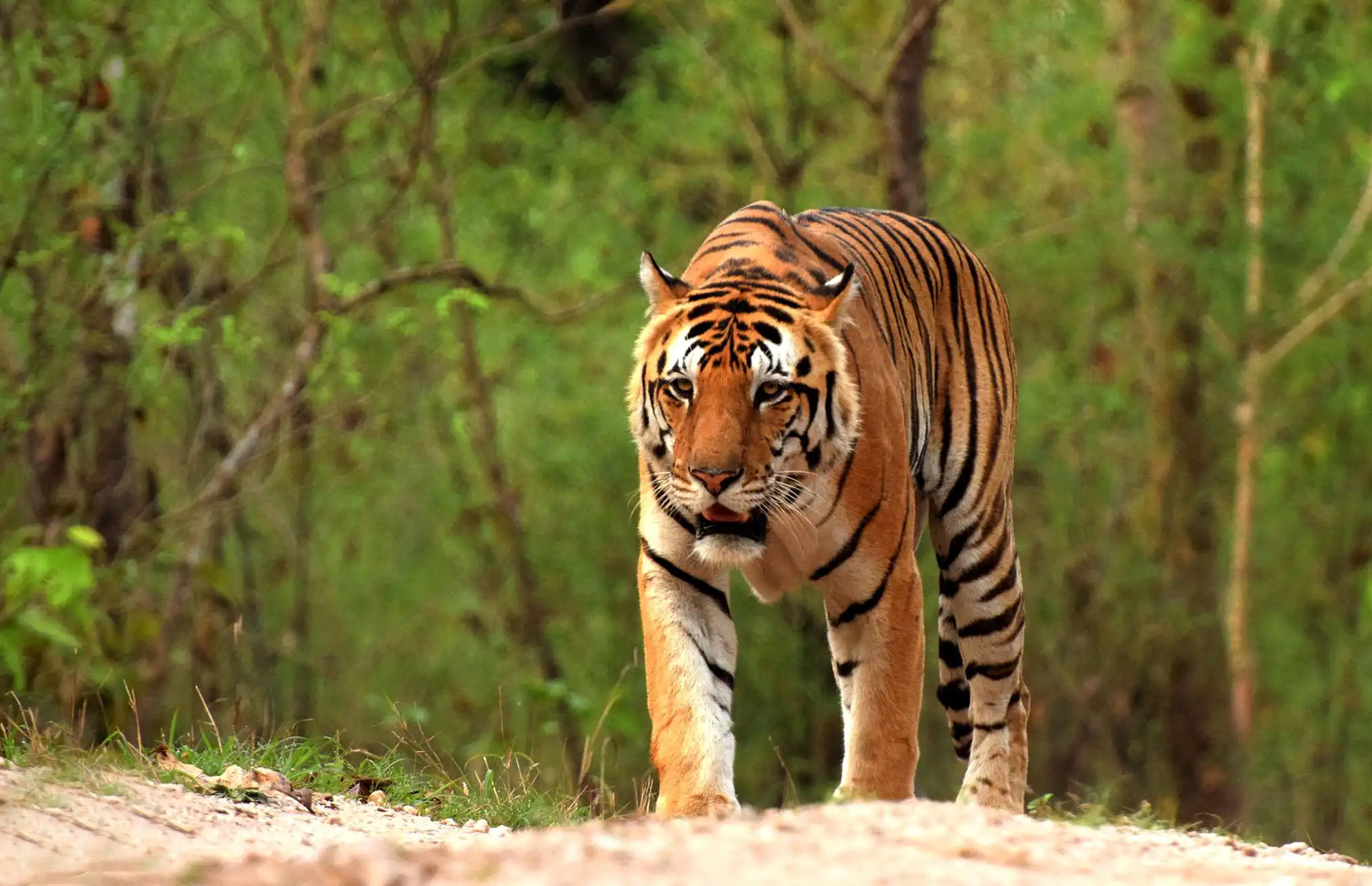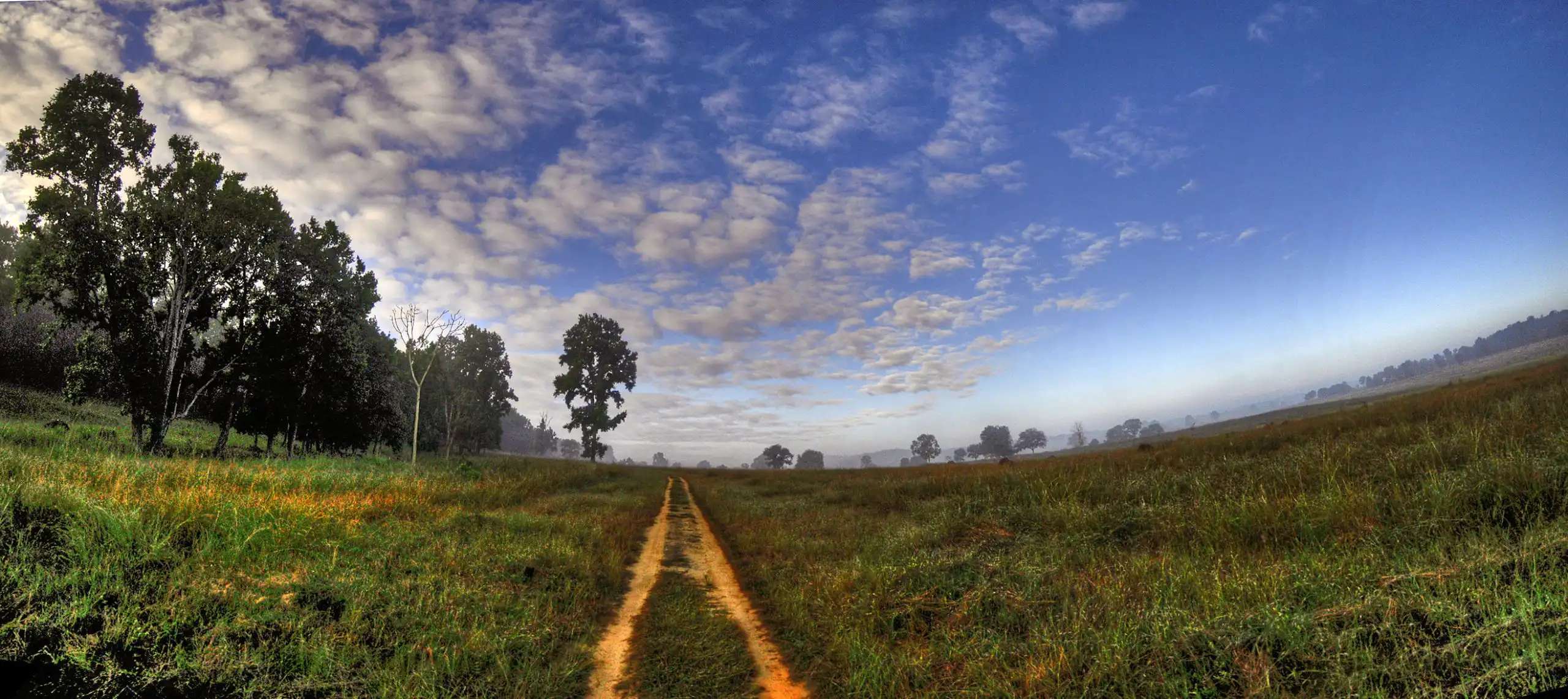
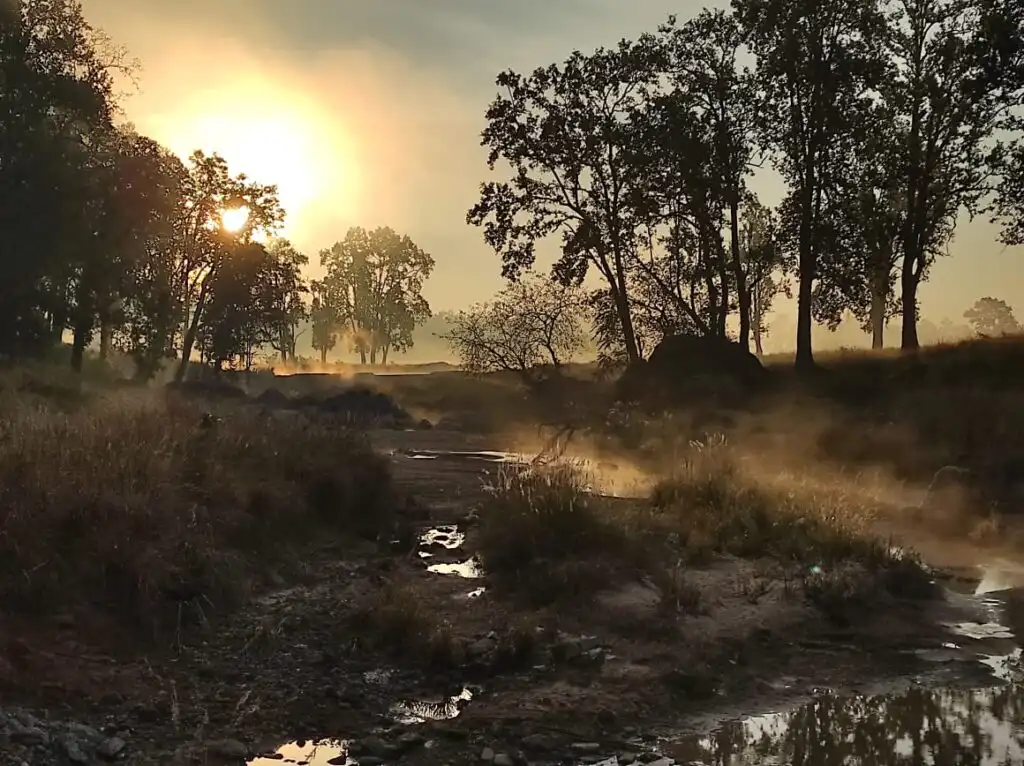
Most tourists visiting Kanha go for jungle safaris. The forests are divided into two major zones:
Core Zone and Buffer Zone of Kanha National Park

Core zone is the central part of the tiger reserve and it shares its boundary with the buffer zone.
Core zone is basically an important area where the conservation of wildlife and natural resources is strictly protected by the forest department.
Buffer Zone is the area that surrounds or adjoins the core areas where nature is conserved alongside compatible human uses of the land or water.
The Core Zones of the park are: Kanha, Sarahi, Mukki and Kisli
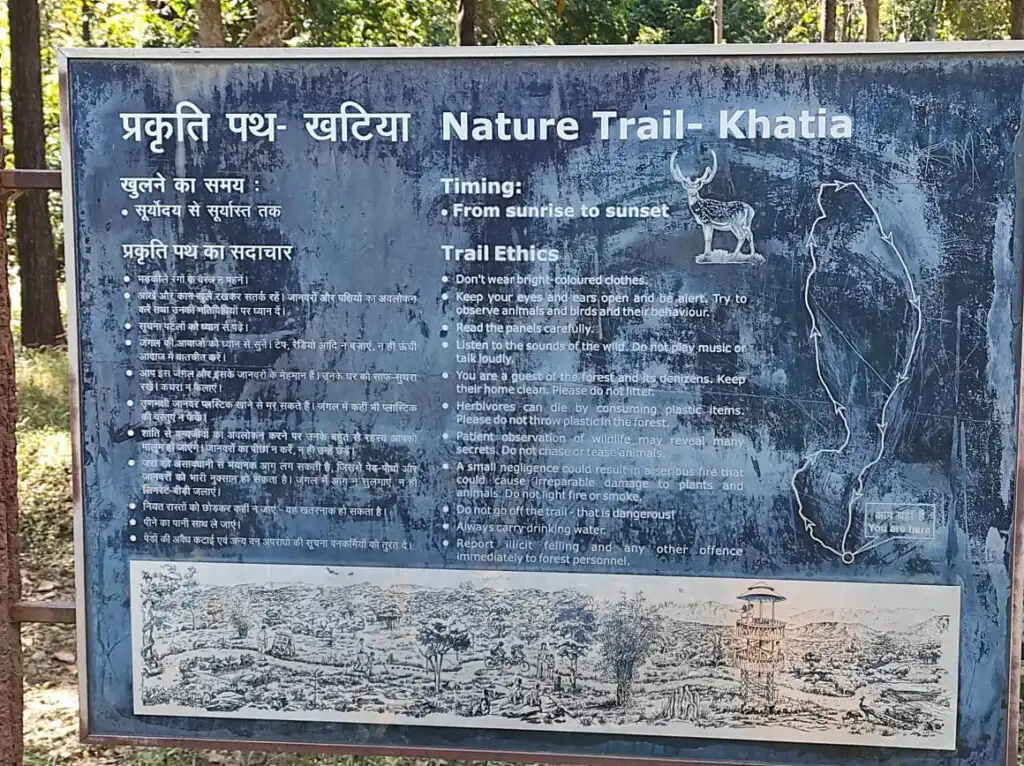
The Buffer Zones of the park are: Khatia, Sijhora, Phen and Khapa
Also Read: Tigers of Kanha National Park
Core Zones of Kanha
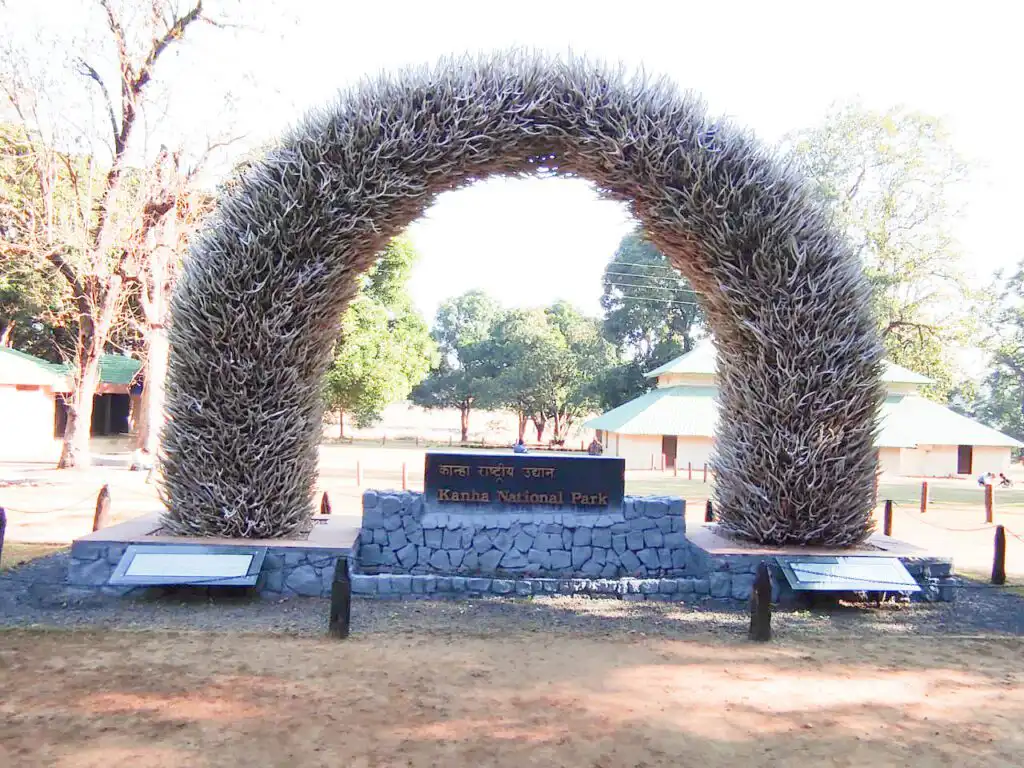
Kanha zone has open meadows with grasslands and bamboo vegetation that offer some unique sightings. The Schaller road, on Kanha zone is dedicated to George Schaller a researcher and conservationist. He wrote a book, “The Tiger and the Deer” based on Kanha.
A tourist attraction is Shravan Taal, legendarily known for a place where King Dashrath killed Shravan Kumar mistaking him for a deer.
The Kanha museum is inside the Kanha zone and it preserves the local culture, and also showcases the history of the park.
Sarahi Zone has dry deciduous forests and with larger meadows. One of them is the Saunf meadow where the Barasingha was first spotted in 1966.
Sarahi is accessed through a common road via Kisli zone and one encounters the towering Saal forests on the way.
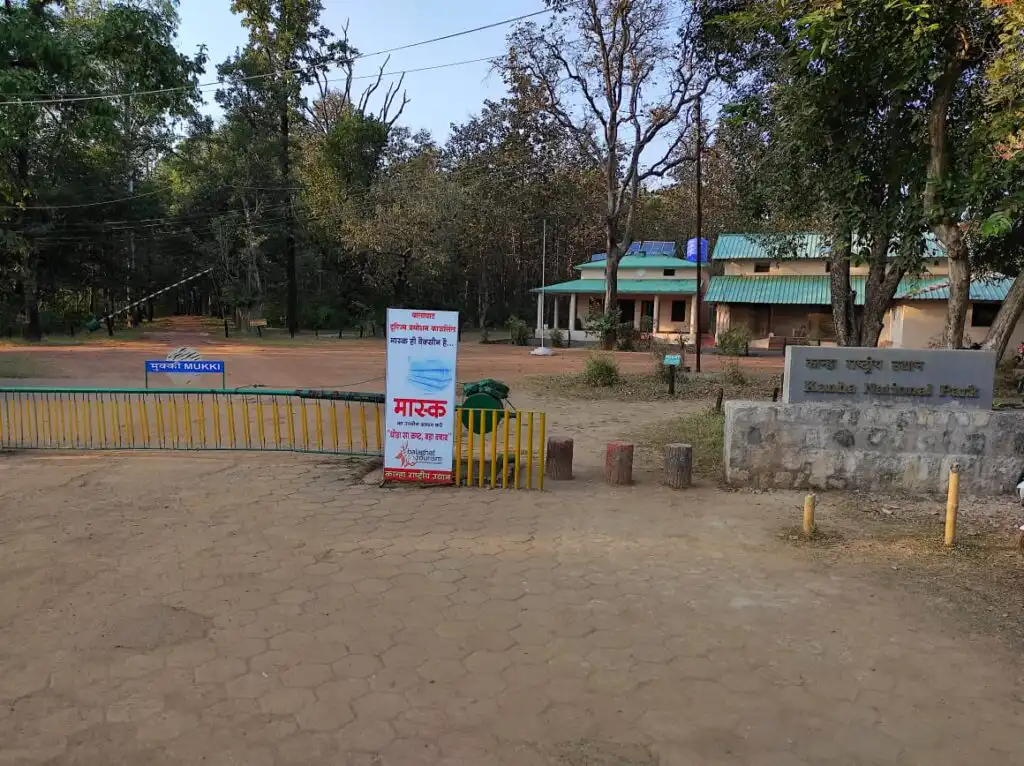
Mukki Zone reports good sightings. The landscape includes saal, bamboo and grasslands.
Kisli zone also has the elegant saal forests and scenic grasslands with bamboo vegetation.
Also Read: 8 Top Things To Do In Kanha

The four major safari zones are declared as the core zones. The buffer zones are accessible from different entrance gates.
Currently there are three entrance gates to access the national park:
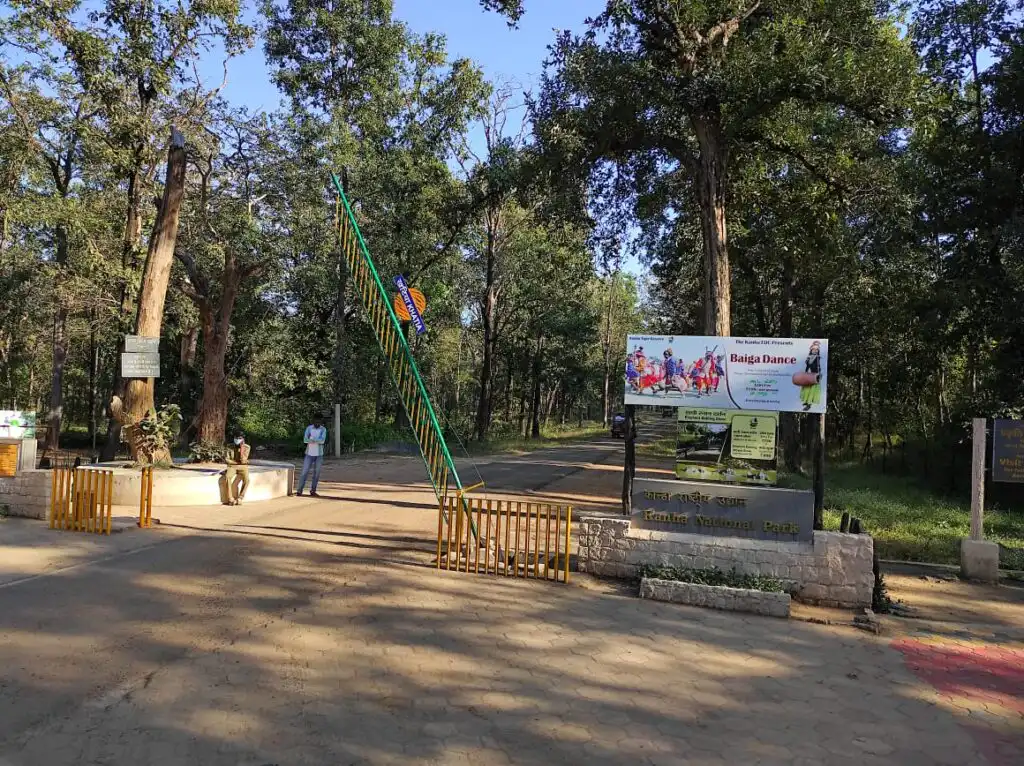
Khatia gate, Mukki gate and Sarahi gate.
The four core zones which are accessible from different entry gates. All these core zones are very popular among tourists.
| CORE SAFARI ZONES | ||
| Core Zones | Entrance Gates (Full Safari) |
Entrance Gate |
| Kanha Zone | Khatia / Mukki / Sarhi Gate |
Khatia Gate |
| Mukki Zone | Khatia / Mukki Gate | Mukki Gate |
| Kisli Zone | Khatia / Mukki / Sarhi Gate | Khatia Gate |
| Sarhi Zone | Khatia / Sarhi Gate | Sarhi Gate |
The buffer zones can also be accessed as follows:
The buffer zones are accessible from different entrance gates. At present three safari entrance gates are existing i.e. Khatia gate, Mukki gate and Sarhi gate.
Also Read: Local Food in Kanha- Gond Thali
BUFFER ZONES OF KANHA |
|
| Safari Zone | Entrance Gate for Safari Zone |
| Khatia Zone | From Khatia Entrance Gate |
| Khapa Zone | From Mukki Entrance Gate |
| Phen Zone | Separate gate, ideal for Mukki gate resorts |
| Sijora Zone | From Sarhi Entrance Gate |
To accentuate the entire experience, you can choose to stay at Kanha Earth Lodge, an eco-luxury resort in Kanha National Park, where your holiday translates to a homecoming with myriad and enriching forest experiences that explore the finer nuances of wildlife, community living, and sustainability.
Visit Our Luxury Lodges in India’s Top Wildlife Destinations
Pugdundee Safaris offers some of the finest luxury wildlife lodges across India—crafted for travelers who seek authentic jungle experiences without compromising on comfort. If you’ve ever hesitated about visiting remote forests due to limited amenities or lack of expert guidance, our lodges solve exactly that.
Plan your next jungle adventure with us and experience the wild in style at our:
Luxury Resort in Satpura, Luxury Resort in Kanha, Luxury Resort in Pench, Luxury Resort in Bandhavgarh, and Luxury Resort in Tadoba.
Each of our properties is designed to immerse you in nature while offering personalized service, modern comforts, and expert naturalist-led safaris—making your wildlife holiday seamless, safe, and unforgettable.
Get in touch with our trip curators at Pugdundee Safaris to book your next wildlife holiday.
Our trip curators at Pugdundee Safaris are more than happy to assist you.
Phone: +91-011-40132680

Pugdundee Safaris is recognized as one of India’s leading responsible safari companies. With seven intimate jungle lodges in Central India and many bespoke wilderness experiences it presents the very best of the Indian subcontinent wildlife & hospitality. Between 2009 and 2026, we have been awarded for our excellence in wildlife safaris, our commitment to sustainability, our experienced naturalists and our pioneering mobile safari initiative. Pugdundee is a Hindi word meaning a foot trail commonly used by humans and animals, this word is popularly used for such beaten paths in the Indian jungles. We continuously strive to deliver the best possible guest experience, while still integrating the conservation of jungles and the people living around. We are motivated by the hope of reaching out to people in the remotest areas of our country, as we believe that they are the front-runners of wildlife conservation. However, maybe just a drop in the ocean we consider that we are making a significant contribution to wildlife conservation and rural economy wherever our lodges are.