Top 8 Myths About Owls and the Superstitions Surrounding Them
1. Illegal Hunting for religious, medicinal, and occult practices
Even though believed as Goddess Lakshmi’s vahan (vehicle), owls are ruthlessly hunted around Diwali. It is believed Lakshmi descends on earth on Diwali day; and sacrificing her owl will force her to stay in the house, as she won’t have a vehicle to return back.
This cruel and barbaric logic is completely baseless. It is based on the belief that trapping Lakshmi at home will ward off any ills, or misfortune, and instead bring in good fortune.
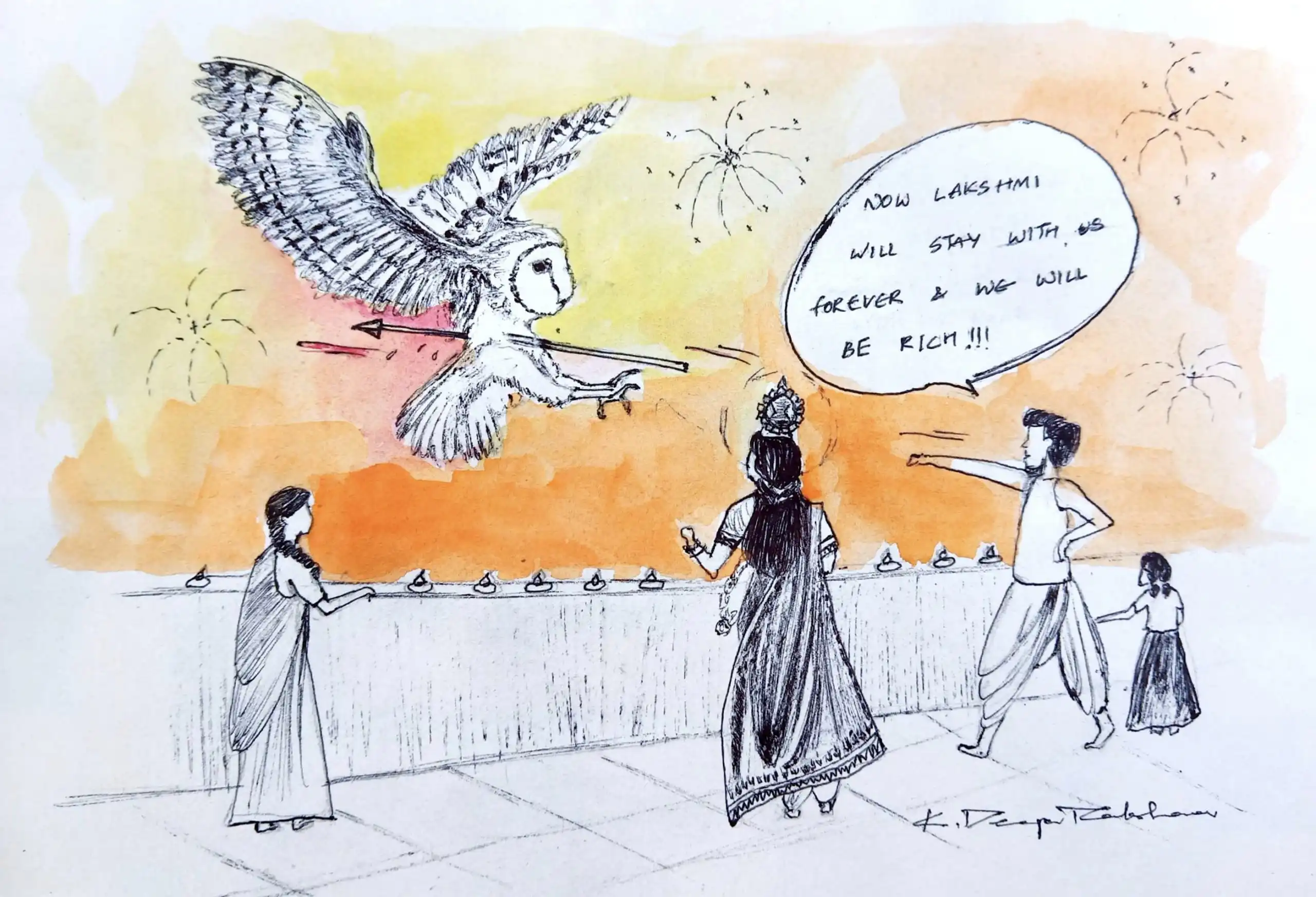
Thus, every year during Diwali thousands of owls, especially those with ear tufts like the Indian Eagle Owl, are poached and killed ruthlessly, as they are thought to possess magical powers.
Owls are even poached for the tantriks or voodoo and black magic practitioners who use various body parts as talismans, medicine, etc. In some cultures in Central India, including other parts of India, wearing Owl feathers or nails as talismans are supposed to guard off against evil or prevent illness.
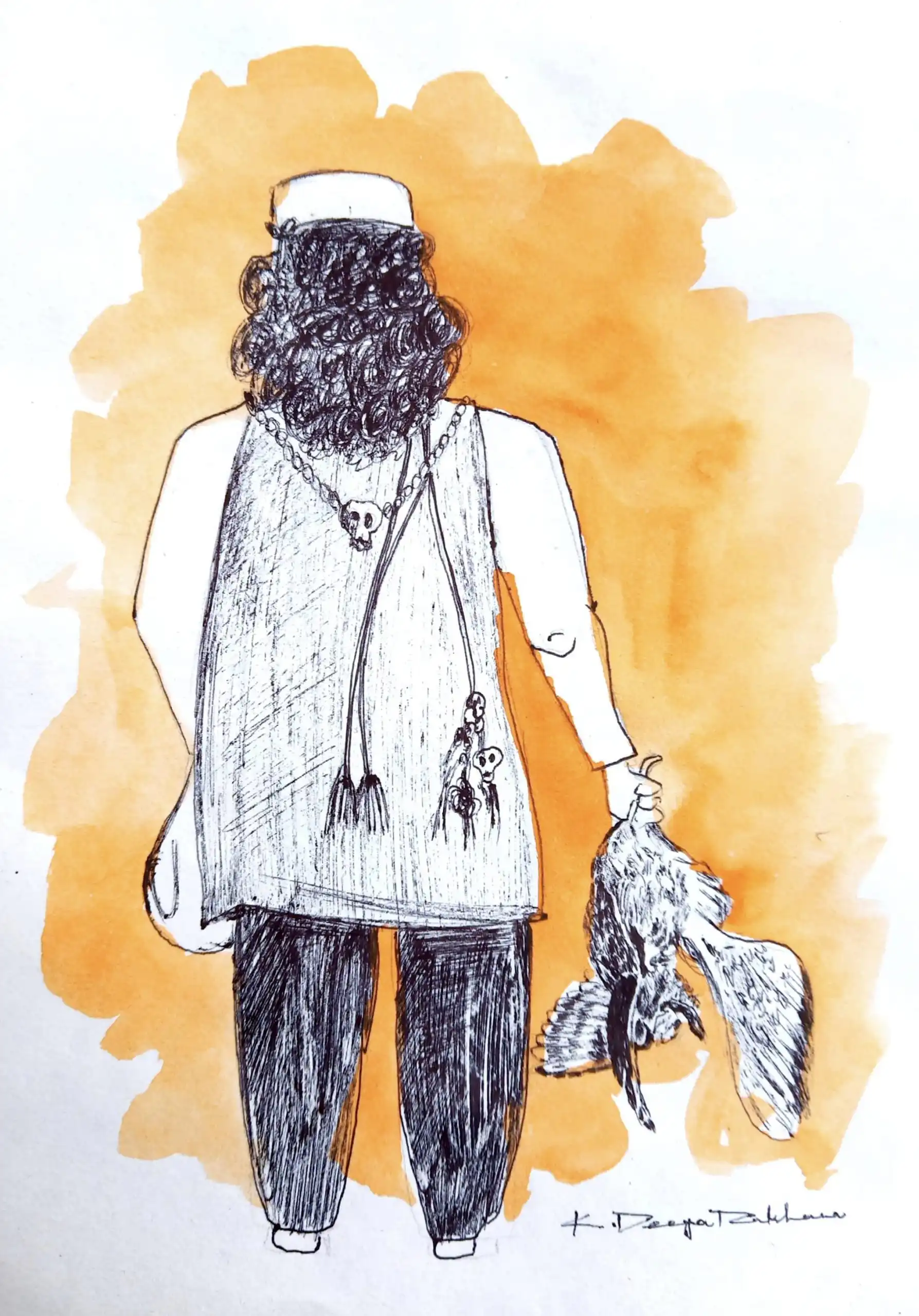
Such deep-rooted myths about owls lead to heinous acts against the innocent raptor.
Also Know about the Legends About Owls | Owls in Mythology
2. Eating Owl eggs and eyes impart better eyesight
Since owls have exceptional eyesight, it is believed that if you eat their eggs or eyes; you gain better vision. In India, the eyes are eaten and in England the eggs.
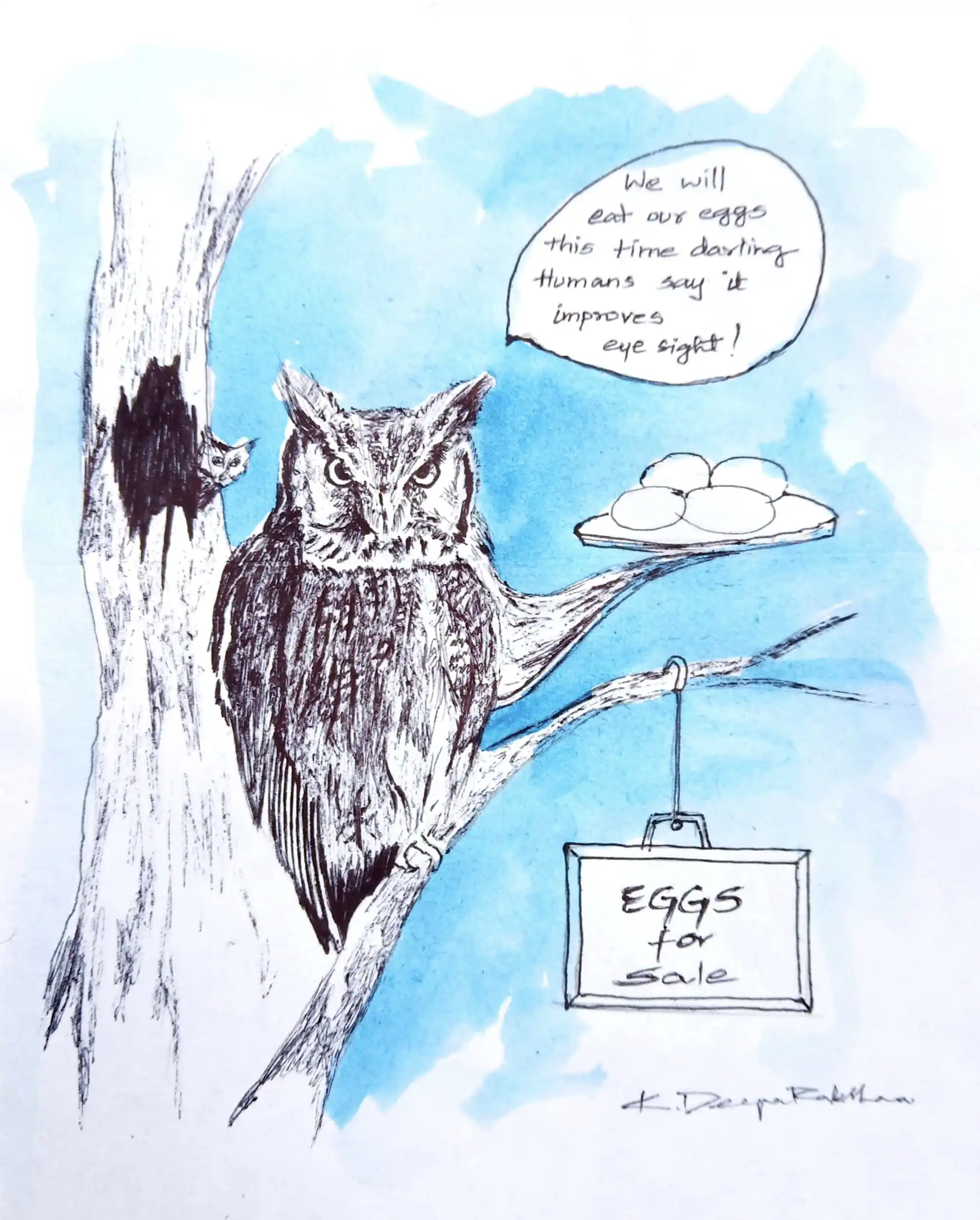
Superstitions about owls such as these, dating back centuries, lead to this horrible practice causing unrestricted hunting of this harmless species
3. Myth about seeing an Owl
If an owl hoots or screeches in front of someone’s house, it means a person in the family is going to die.
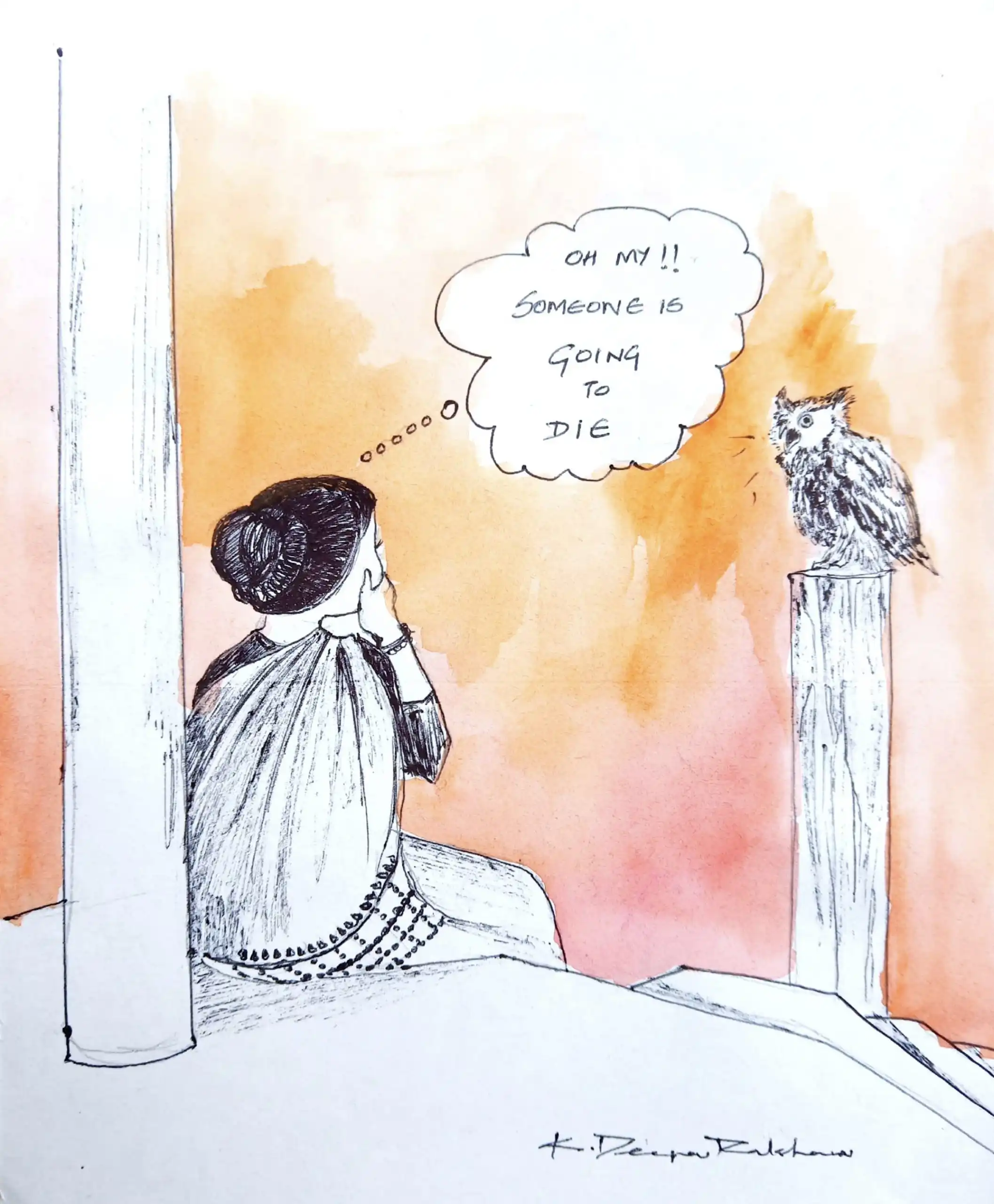
This is another invalid myth about owls, amongst a few tribes of Meghalaya, including other parts of India too.
4. Owl or Ullu (Hindi) translates to foolish
The word ullu in Hindi is many a time, culturally referred to as a foolish person. Therefore, this species that is considered the “wise owl” in so many folklores, is on the lop-side associated with a dim-witted person, unfortunately.
This is yet another cultural misappropriation, labeling the species falsely.
5. Associated with witchcraft in Greek and Roman cultures
Owls are associated with witchcraft; especially species which are white in coloration, since they are considered far more elusive.
Greeks and Romans believed witches could shape-shift into owls, and would then suck the blood of babies! In a few other cultures, owls were thought to be messengers of witches, and they hooted to warn of an approaching witch.
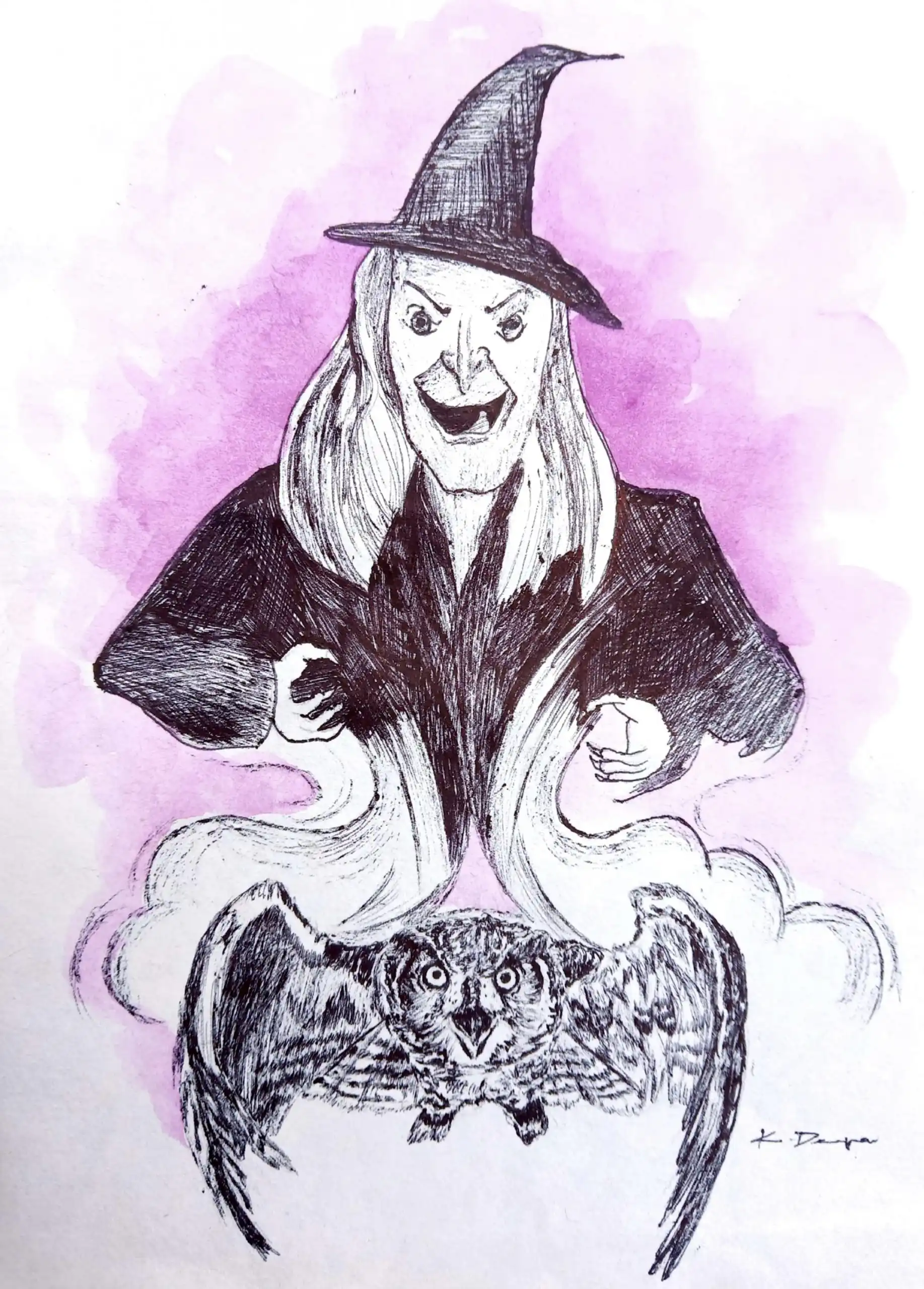
Unfortunately, these beliefs and superstitions about owls caused the hunting and killing of this species in the Middle Ages.
Also know about the myths of snakes in India
6. Sinister reputation of the Barn Owl and Owls
In English literature, the Barn Owl had a sinister reputation, probably because it was referred to as a bird of darkness and death. 18th and 19th-century poets Robert Blair and William Wordsworth used the Barn Owl as their favourite “bird of doom.”
People in those times also believed that the screech, or call of an Owl flying past the window of a sick person meant imminent death.
Well-known and learned writers portraying this harmless species in negative light did more harm than ever, in tarnishing its reputation and portraying it as a bad omen. Thus propagating more such superstitions about owls.
7. Medicinal folk cures
Among medicinal folk cures, alcoholism was treated with Owl egg. The imbiber was prescribed raw eggs, whereas a child given this treatment was thought to gain lifetime protection against becoming an alcoholic!
Such unfounded myths about owls yet again caused their unrelentless killing.
8. Owls can rotate their heads 360 degrees
This is yet again a misconception, as owls can actually rotate their heads about 270 degrees.
The Truth About Owls
The innumerable baseless myths and superstitions have marred the reputation of this harmless bird for time immemorial. Owls are benign birds that are critical to our environment.
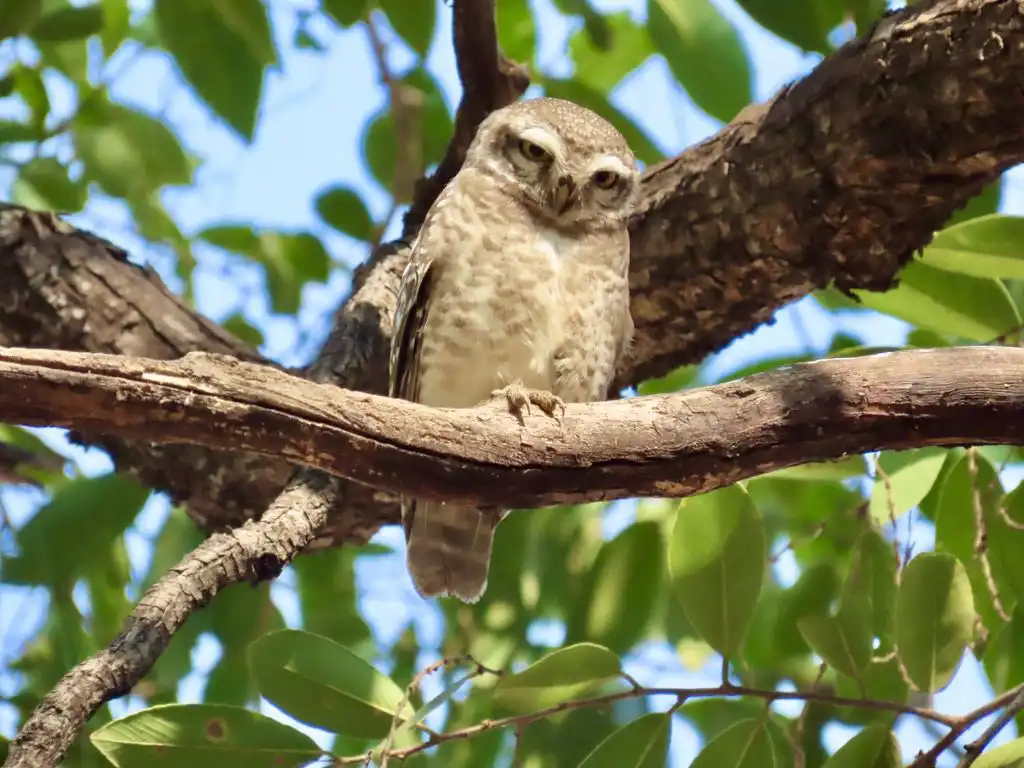
Owls are good bio-indicators of the health and biodiversity of the ecosystem.
The Spotted Owl and its cousins are used to indicate the health of the vanishing ancient forests of the world. For instance, among Owls in India, the Brown Wood Owl, inhabits mostly old and lesser disturbed Sal forests; while the Bay Owl, a rare denizen resides in the Himalayas and is an indicator of dense evergreen submontane forests of cedar and other conifers.
Fortunately, owls residing close to human habitation stop the fast breeding of rodents. They play a pivotal role in protecting us from diseases and saving food grains stored in houses and granaries. It is estimated that almost 30 percent of agricultural produce in the country is lost to thieving rats. Owls fortunately provide a free service of eradicating rodents for human beings.
Therefore, the need of the hour is to do our bit to save this species, from unwarranted slaughter and man-handling that are based on unfounded superstitions, and ancient redundant beliefs. As more and more people are informed and educated, it will be more practical to debunk unrealistic opinions, and superstitions about owls. Thereby, preventing their unrestricted poaching and trade.
“The owl,” he was saying, “is one of the most curious creatures. A bird that stays awake when the rest of the world sleeps. They can see in the dark. I find that so interesting, to be mired in reality when the rest of the world is dreaming. What does he see and what does he know that the rest of the world is missing?”
― M.J. Rose, Seduction
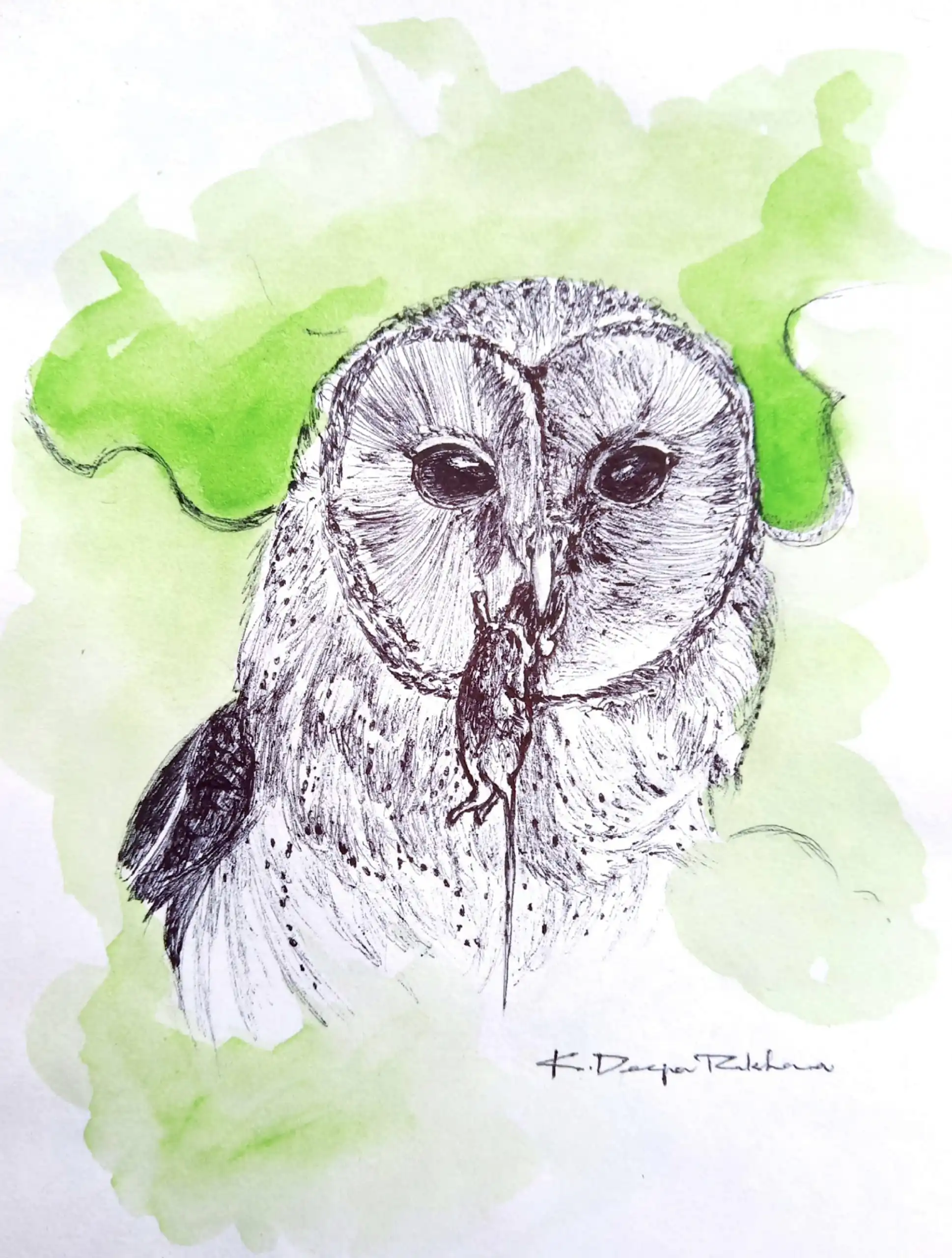
Art by: Deepa Rakshana, Naturalist, Pench Tree Lodge

Pugdundee Safaris is recognized as one of India’s leading responsible safari companies. With seven intimate jungle lodges in Central India and many bespoke wilderness experiences it presents the very best of the Indian subcontinent wildlife & hospitality. Between 2009 and 2026, we have been awarded for our excellence in wildlife safaris, our commitment to sustainability, our experienced naturalists and our pioneering mobile safari initiative. Pugdundee is a Hindi word meaning a foot trail commonly used by humans and animals, this word is popularly used for such beaten paths in the Indian jungles. We continuously strive to deliver the best possible guest experience, while still integrating the conservation of jungles and the people living around. We are motivated by the hope of reaching out to people in the remotest areas of our country, as we believe that they are the front-runners of wildlife conservation. However, maybe just a drop in the ocean we consider that we are making a significant contribution to wildlife conservation and rural economy wherever our lodges are.