Various legends about owls date back to centuries. Owls are a fascinating and awe-inspiring species that hold immense historical and mythological relevance. For times immemorial; this incredible species has been revered and feared, extolled and scorned, considered both foolish and wise; all at the same time.
Steeped in lore and wisdom, owls and humans have had an intrinsic connection since the dawn of history. Their presence has been found in a Sumerian tablet dating way back to 2300-2000 BC, thus confirming the long standing role of owls in mythology.
This unique and wondrous raptor has co-existed alongside humans for centuries, notwithstanding various speculations, myths, legends, and superstitions that have more often than not caused it to be mercilessly hunted.
Here are a few legends about owls and owls in mythology
1. Symbol of wisdom
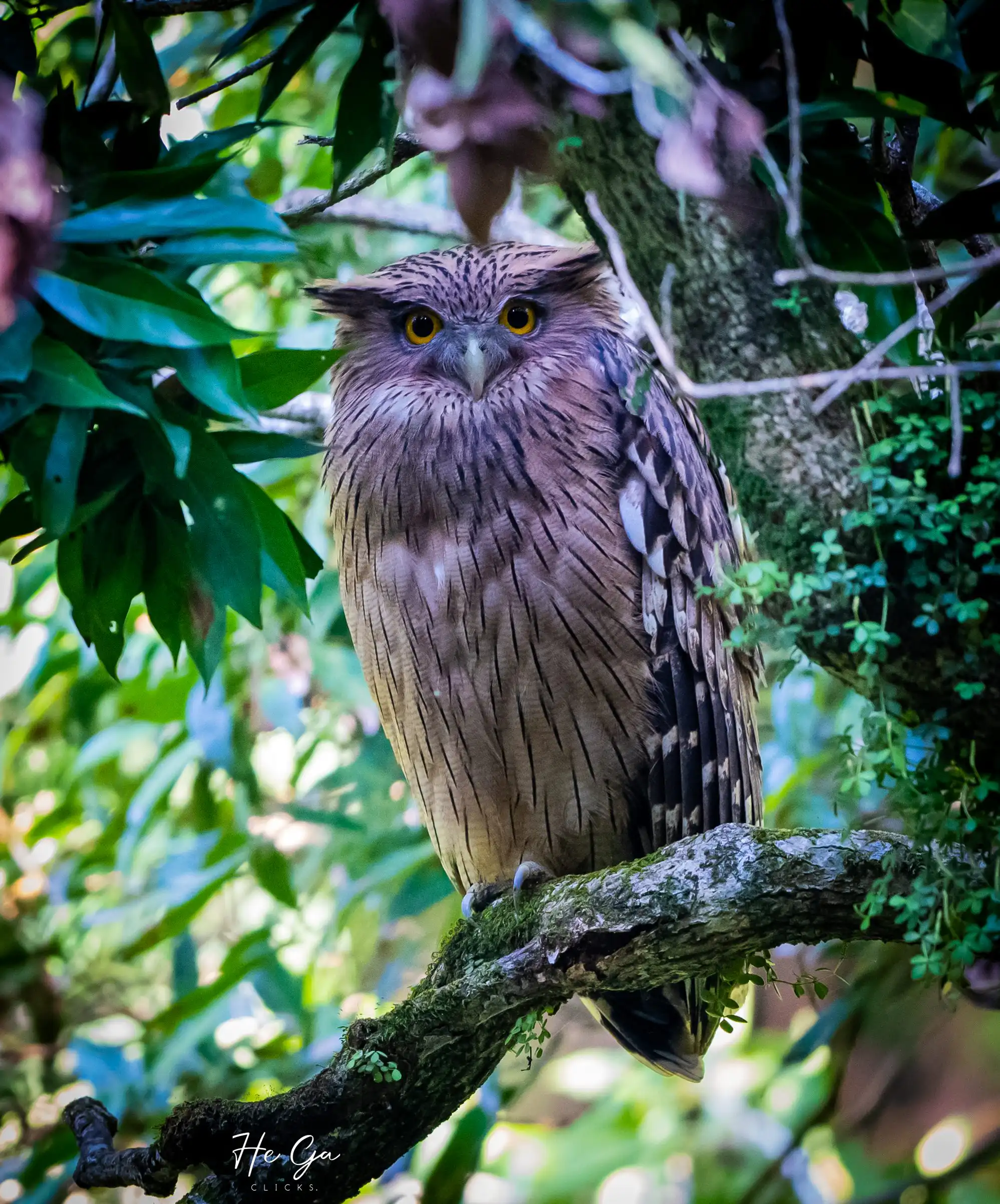
With superstitions dying out in the twentieth century, the Owl has returned to its position as a symbol of wisdom. Having said that, in ancient Greece, it was closely associated with Athena, the goddess of wisdom.
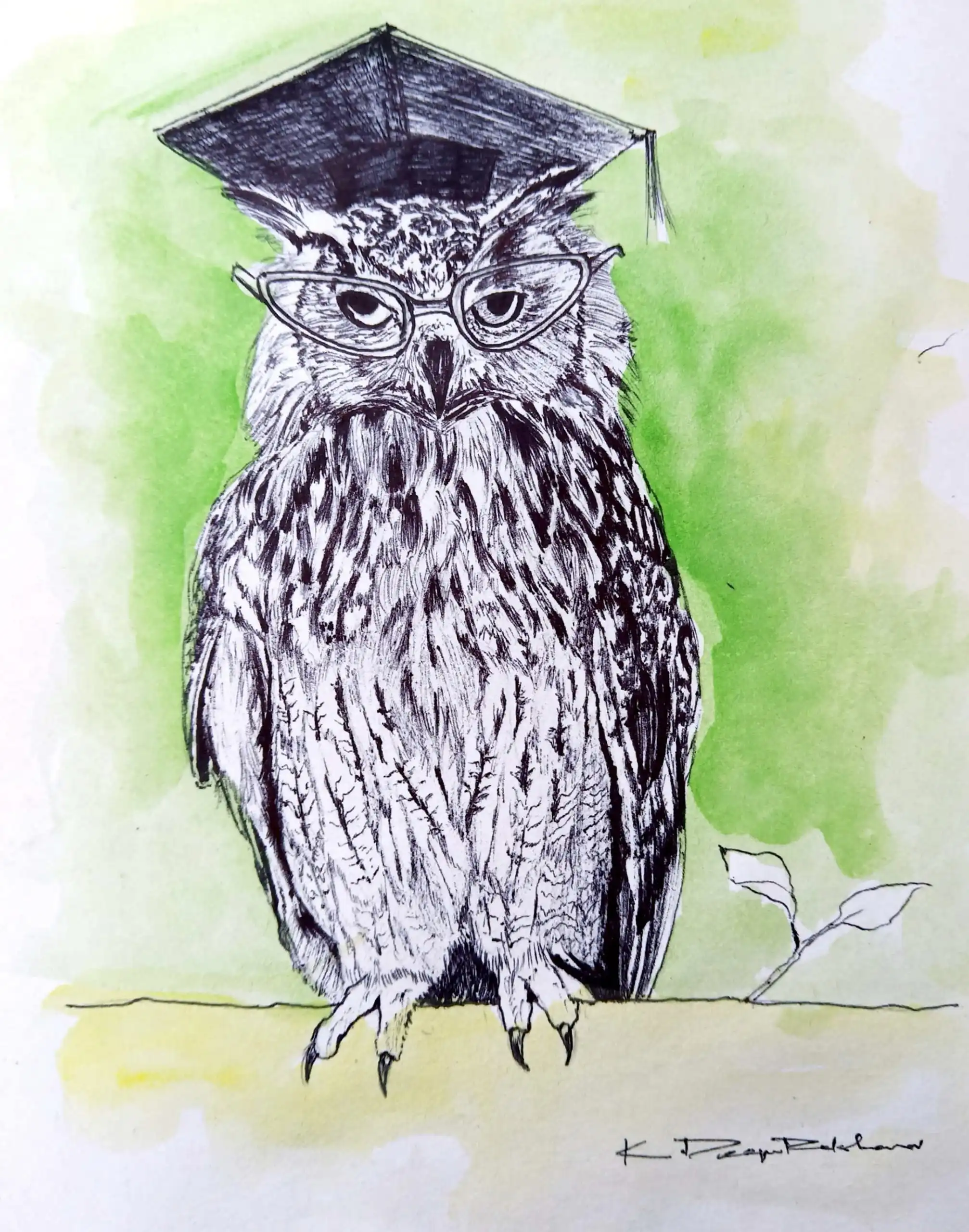
Considered one of the primary symbols of wisdom; the “wise old owl” character from the well-known English nursery rhyme, is a perfect example of inculcating the valuable character trait of imbibing wisdom through the practice of listening.
“A wise old owl sat on an oak,
The more he saw the less he spoke.
The less he spoke, the more he heard.
Why can’t we all be like the wise old bird?“
This continues to be one of the most circulated and incredible legends about owls.
2. Seeing an Owl is a Good Omen
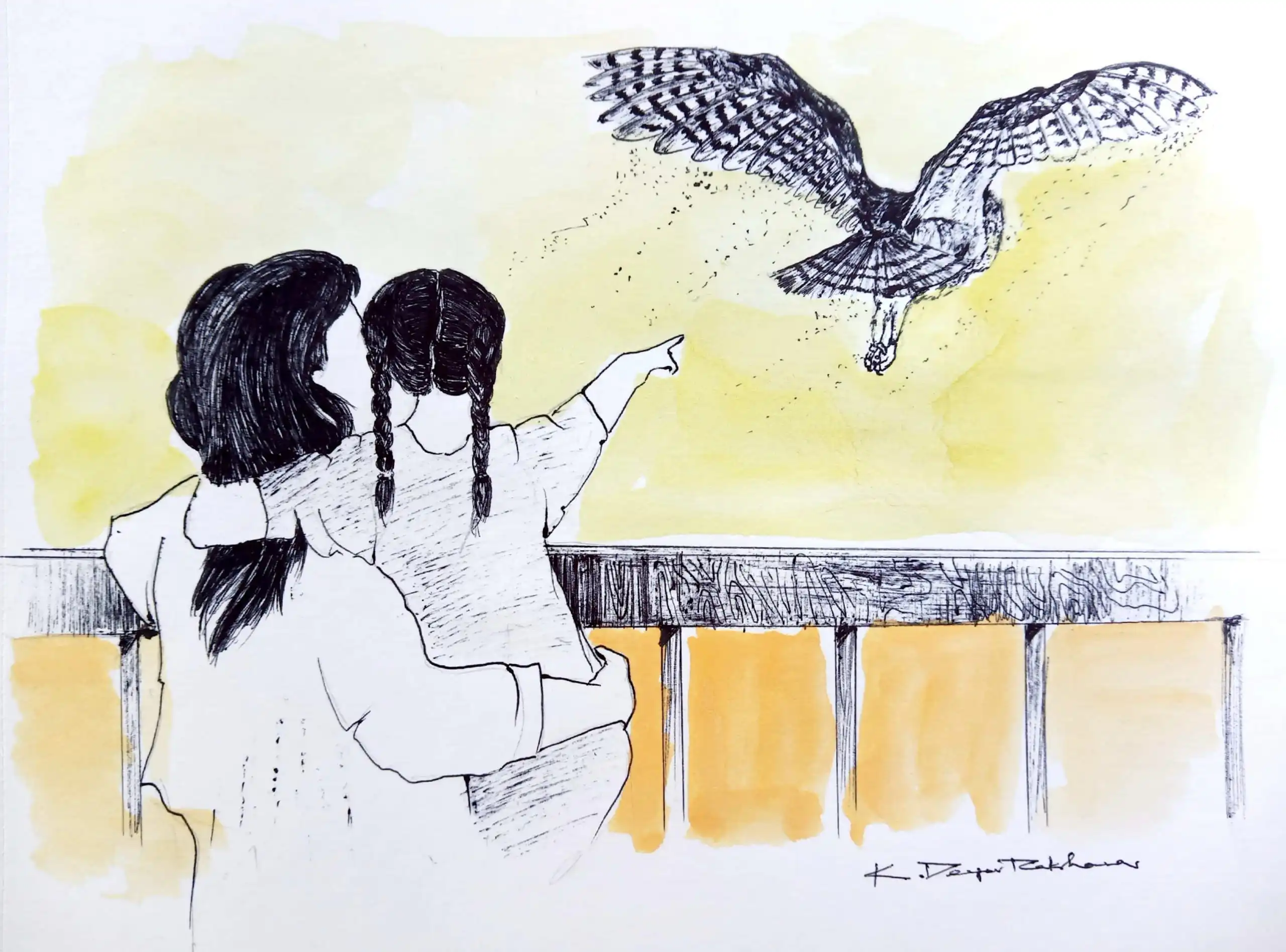
Spiritually speaking, owls are believed to be sensible beings and spotting one herald’s change and growth. Seeing an owl in many modern cultures now is considered a good omen and signifies the start of a new phase in life, that may bring abundance.
3. Mythology and Significance of Owls in India
In some parts of Indian mythology owls have been revered and given a place of prestige. Laxmi, the Hindu goddess of money and wealth, rides a Barn owl which is her vehicle (vahana). The owl is known as Stithi Prajna, which translates to being unwavering in its decision. Symbolically this warns people not to be trapped by the splendour of wealth. This symbolism is an incredible lesson, and one of the many wonderful legends about owls.
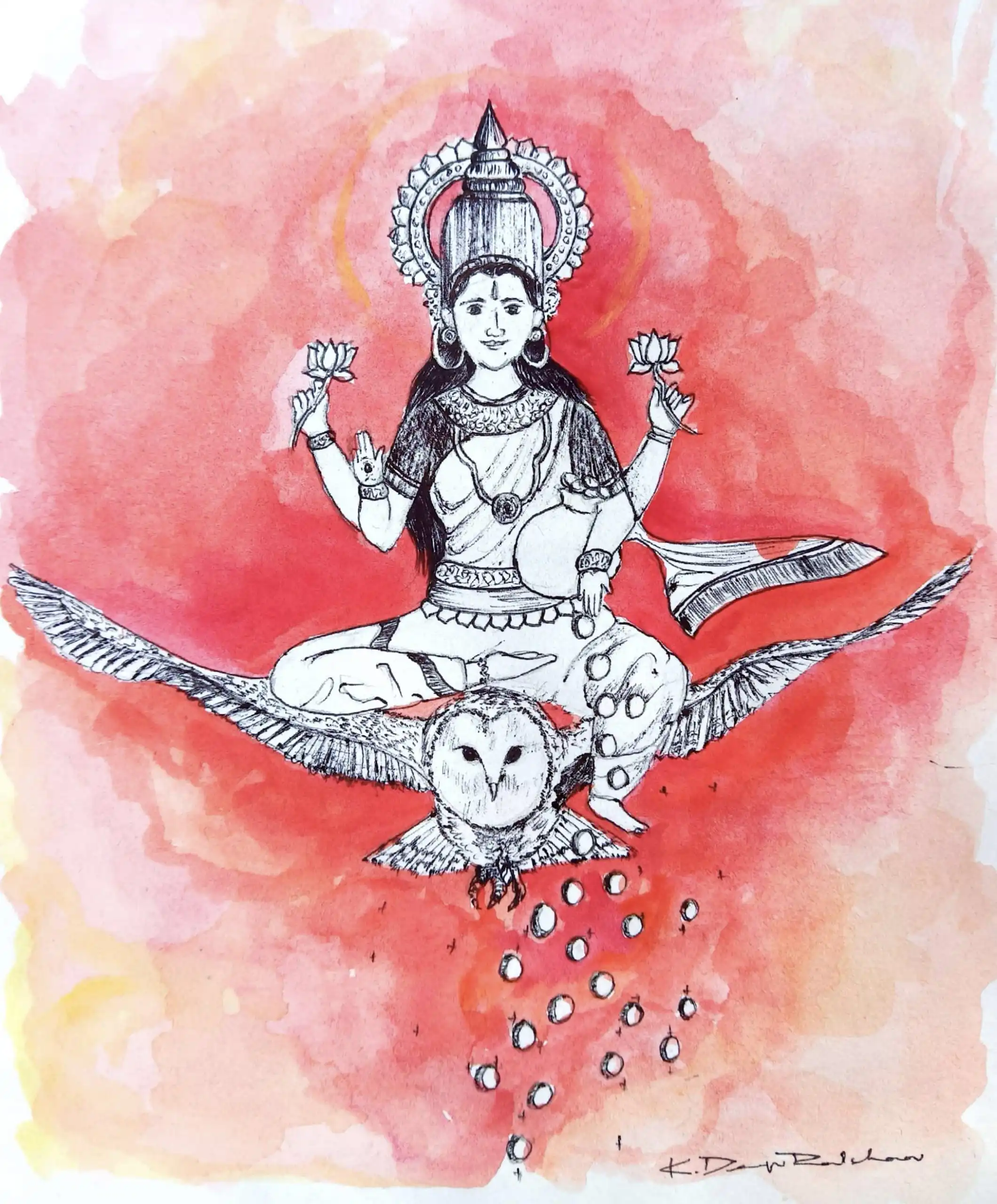
A white owl/Barn owl entering a home is treated as a good sign. Most people also relate to it as a possible flow of wealth into that home. The flapping of wings is correlated to the flow of money too.
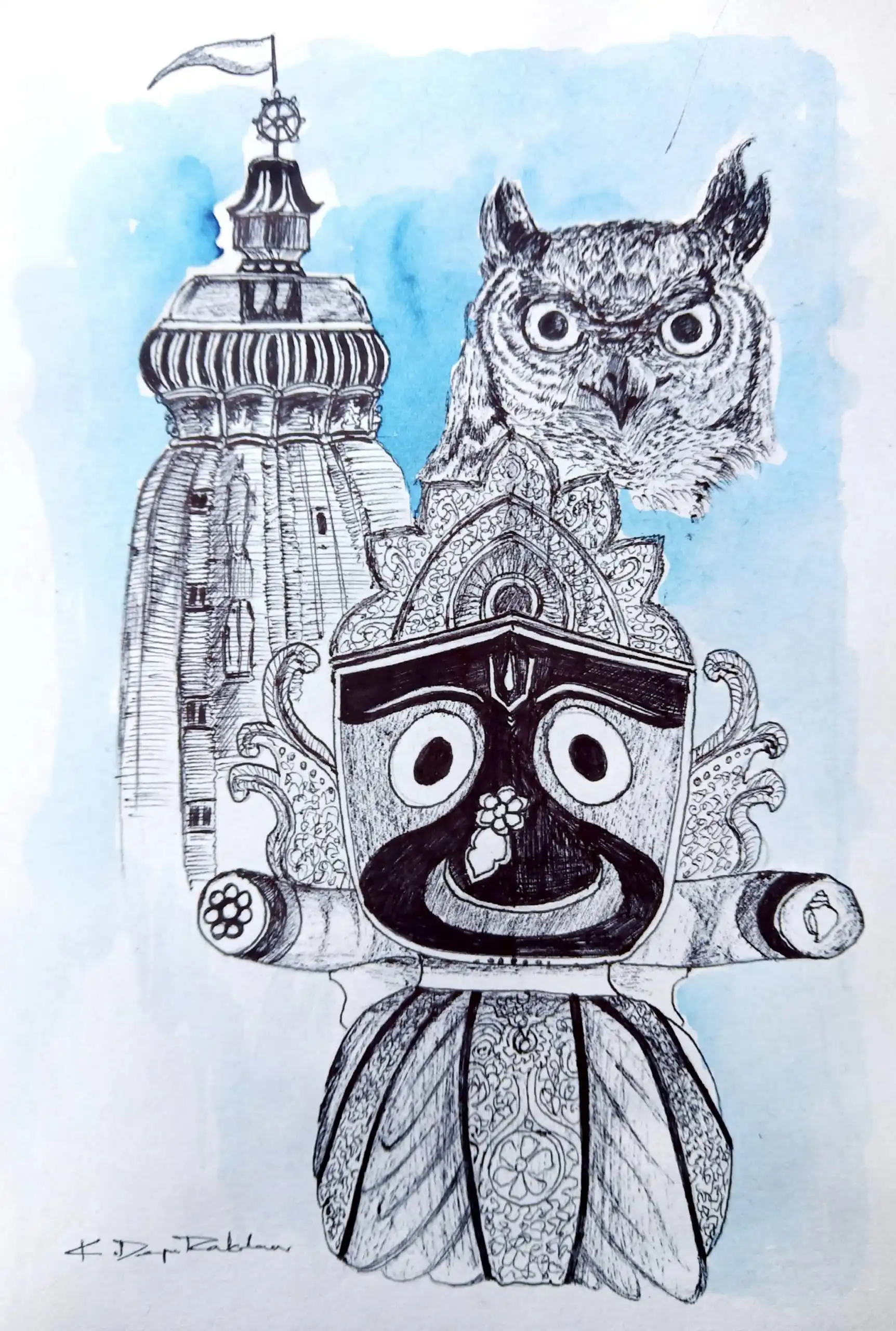
The owl has round eyes that never move, but stare straight ahead, therefore it is known to be insightful. Lord Jagannath of Puri, Orissa is referred to as (Choka-dola) or the “lord with circular eyes“. He is another form of the deity, Krishna-Vishnu worshipped in Puri. This proves that owls in mythology had such valuable lessons to impart.
It is also believed that the owls have magical properties which can ward off bad luck.
4. Legends about Owls in various World cultures
Multiple cultures around the world also consider the owl as a scared that holds a deep-rooted significance. The mythology of owls across cross-cultures is fascinating to learn.
i) The Australian Aborigines believe that owls are the spirits of sacred women.
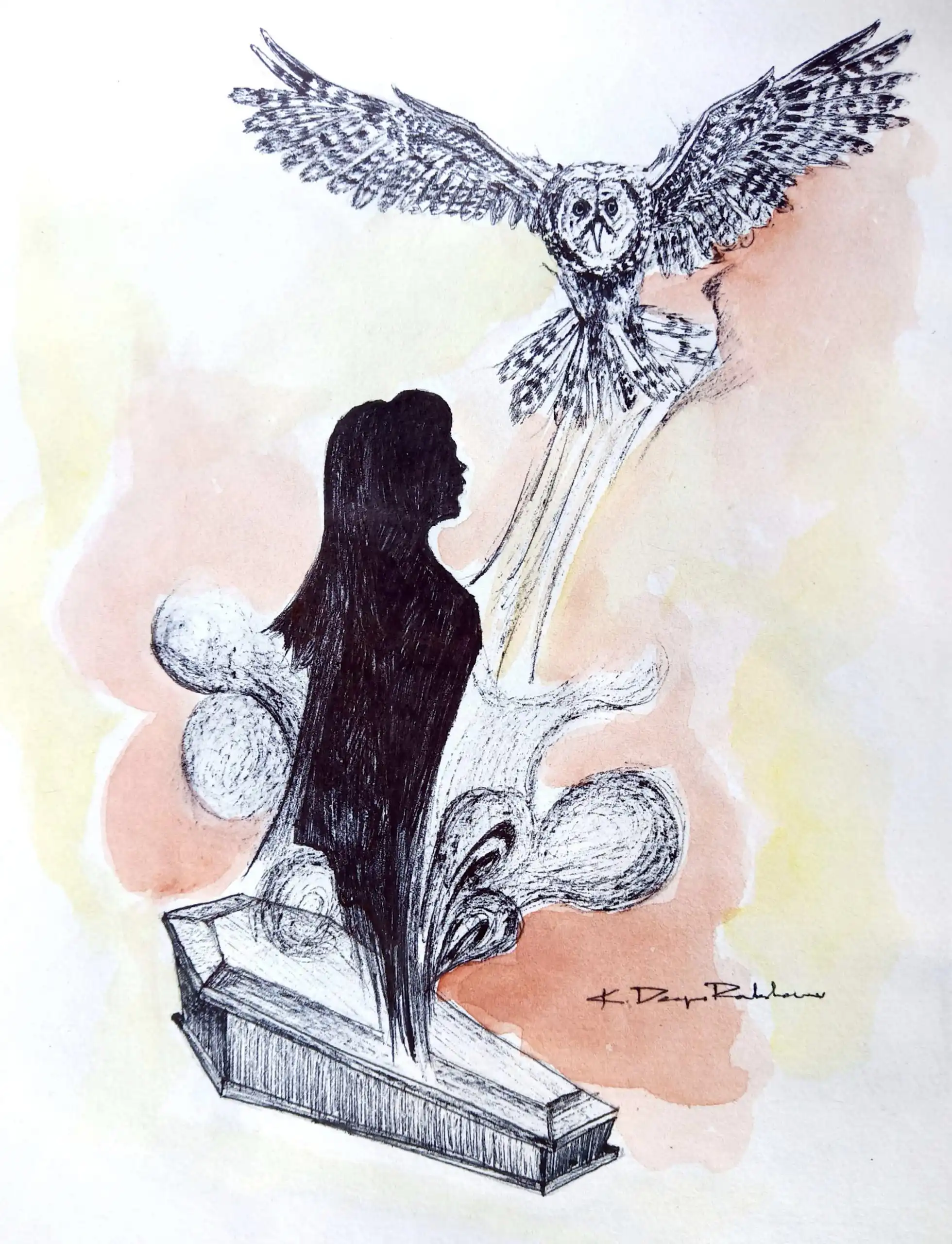
The Kwakiutl people of North American Indians, credit owls to be the souls of people and should never be harmed. They felt killing an owl would also cause the death of the person whose soul the owl carried. On the other hand, different cultures also believed that a person becomes an owl after they die.
ii) Athena, the Greek Goddess of Wisdom’s favourite feathered being was a Little Owl (Athene noctua). The Little Owl left the Goddess impressed by its beautiful eyes and dignified appearance. Owls were therefore protected in Acropolis and found in great numbers. The Little Owl, a bird with exceptional night vision, was also symbolic of Athena’s ability to “see” when others couldn’t.
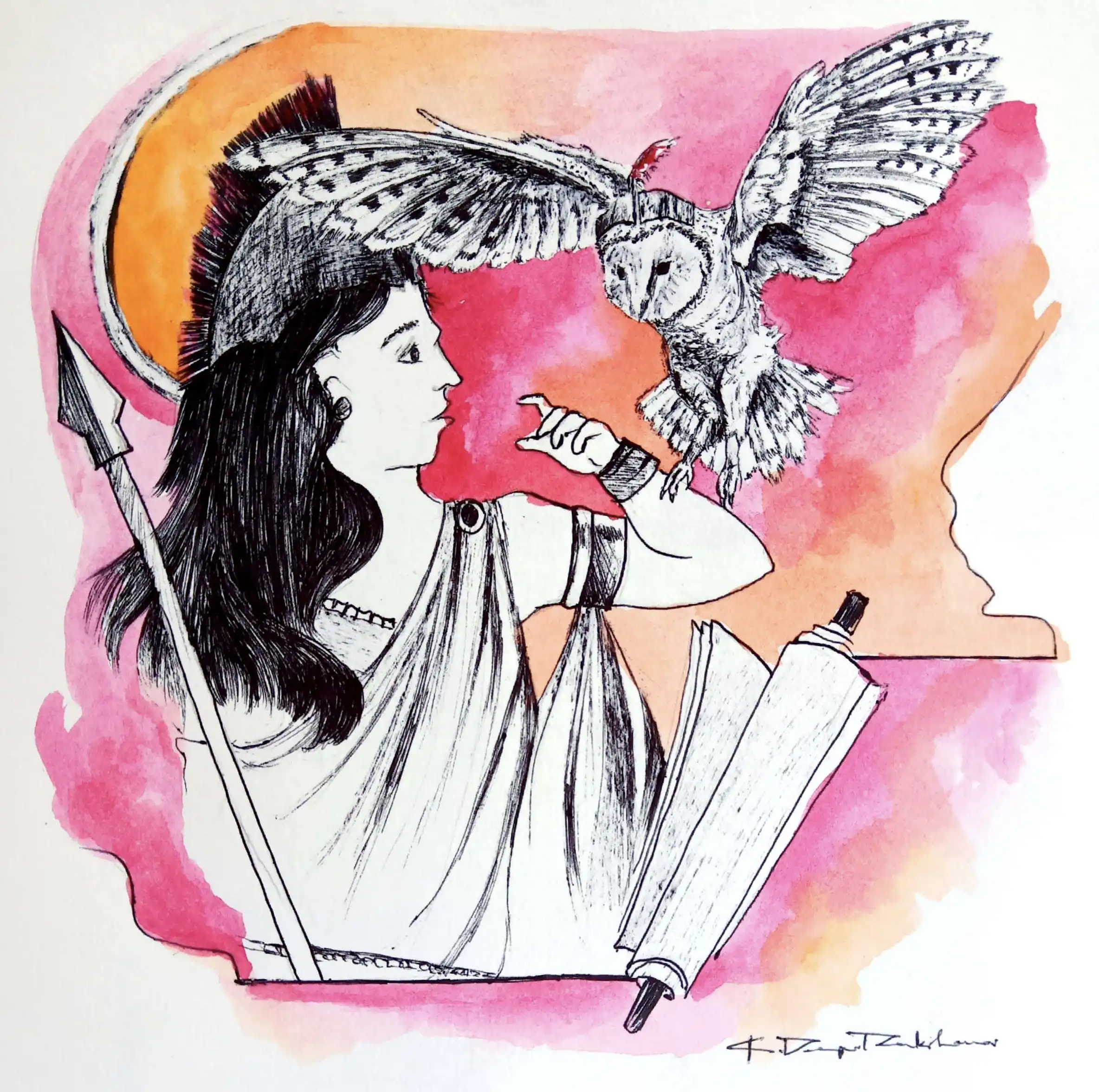
Athena’s owl accompanied the Greek armies to war as a protector and was used extensively as an ornamental inspiration.
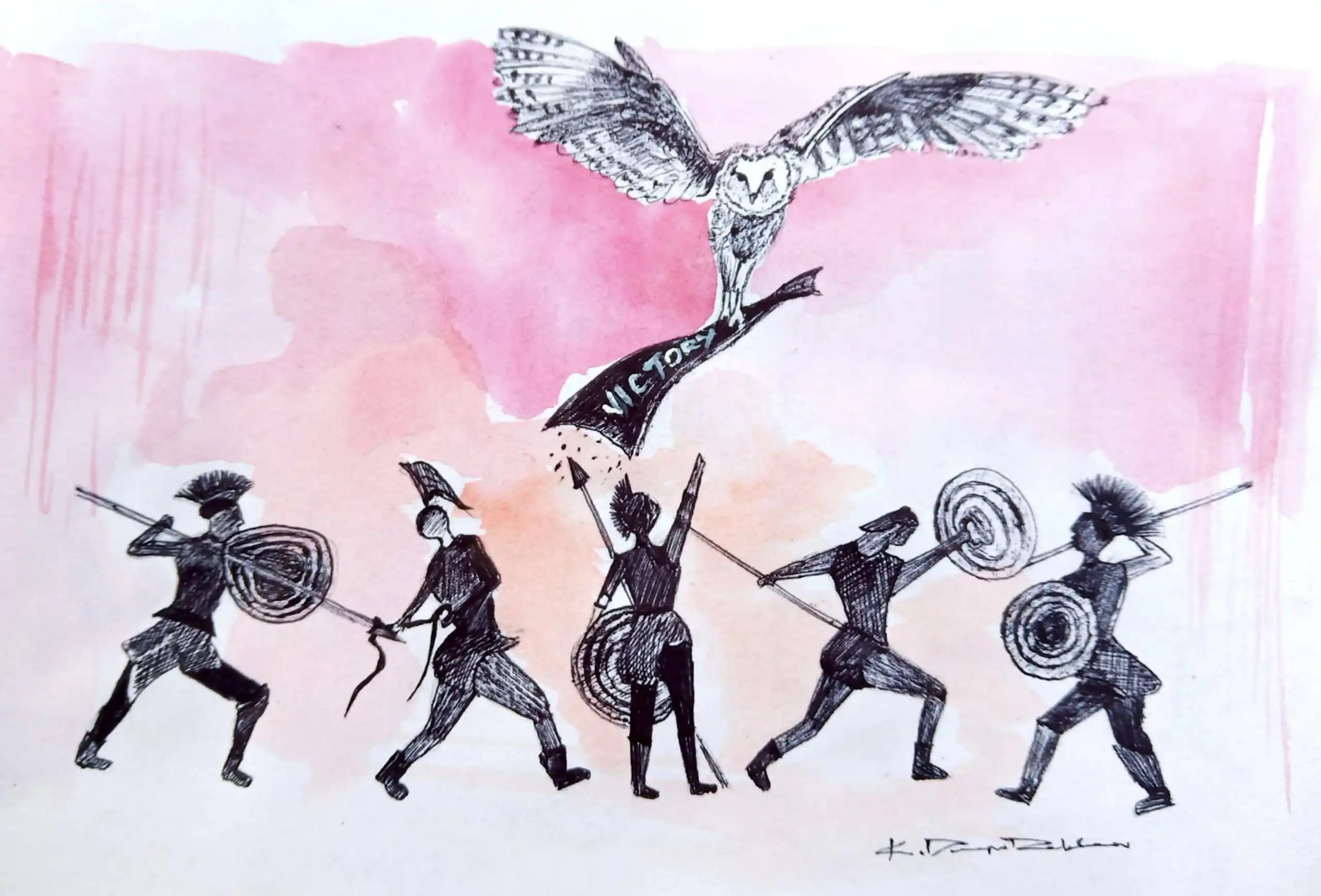
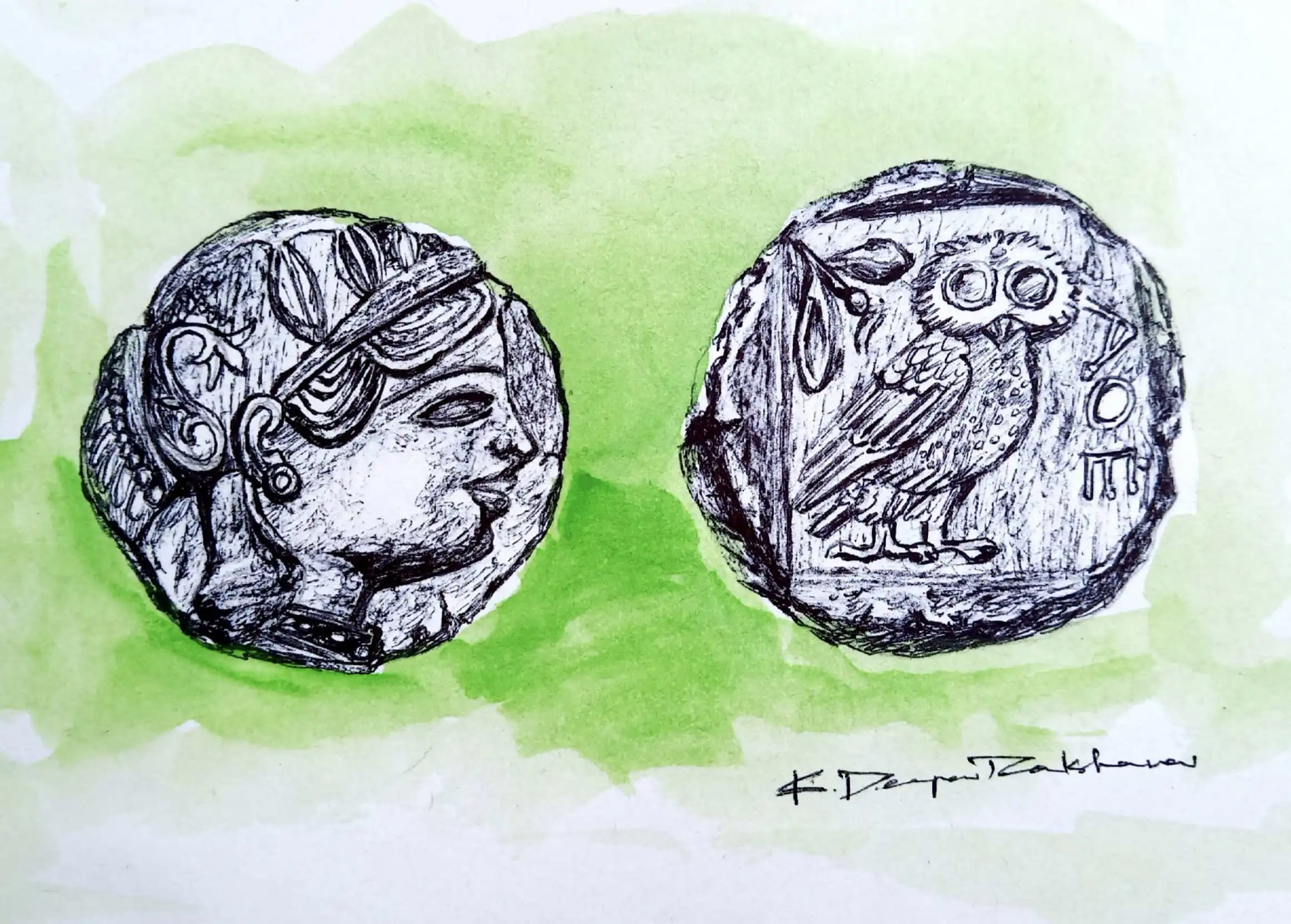
The Greek soldiers also believed an owl flying over them before a battle, was a sign of an upcoming victory. The Athenian coins had images of the Little Owl that were believed to safeguard commerce and trade.
Perched mostly on Athena’s shoulder, the owl is believed to reveal truths of the world to her, and also suggestive of the literal wisdom and knowledge of Athena, in her role as a goddess of wisdom.
These awe-inspiring legends about owls occupied a great place in the Greek history.
iii) The Inuit people believe that owls safely shepherd the spirits of those who have passed on to the afterworld.
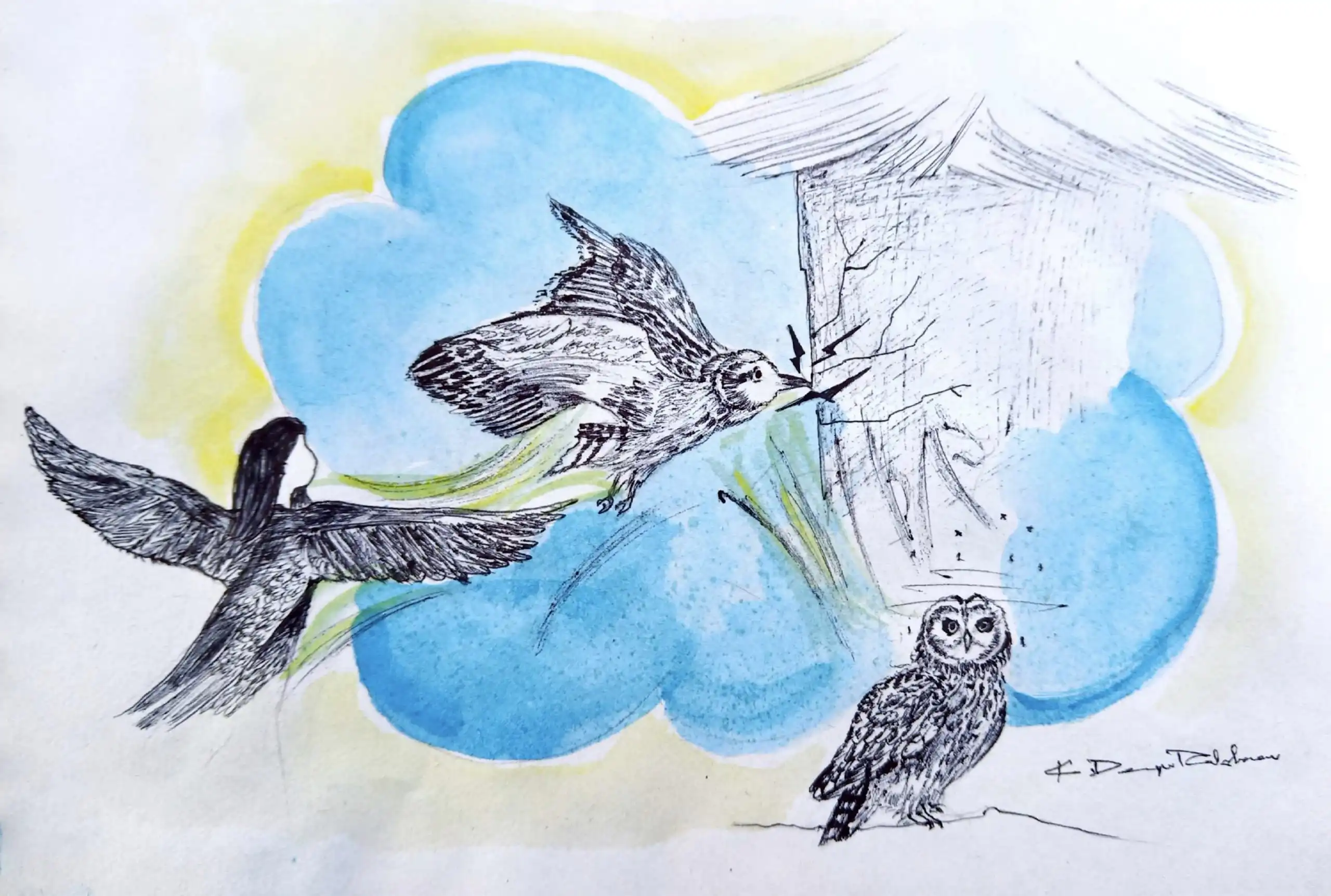
According to one of their folklores, the Short-eared Owl was once a young girl who mystically transformed into an owl with a long beak. But the frightened owl flew into the walls of a house, flattening its face and beak.
Inuit children were known to keep Boreal Owls as pets, naming them the “blind ones”, because of their tameness during daylight.
iv) The Hopi Indians see the Burrowing Owl as their deity of the dead, the guardian of fires and one who tends all underground beings, including seed germination. They call the Burrowing owl, Ko’ko, which translates to “foreseer of the dark”. They credit the Great Horned Owl for helping their peaches grow.
v) In England, the Barn Owl guided the people with weather predictions. It was believed that a screeching Barn owl signified an upcoming storm or cold weather conditions.
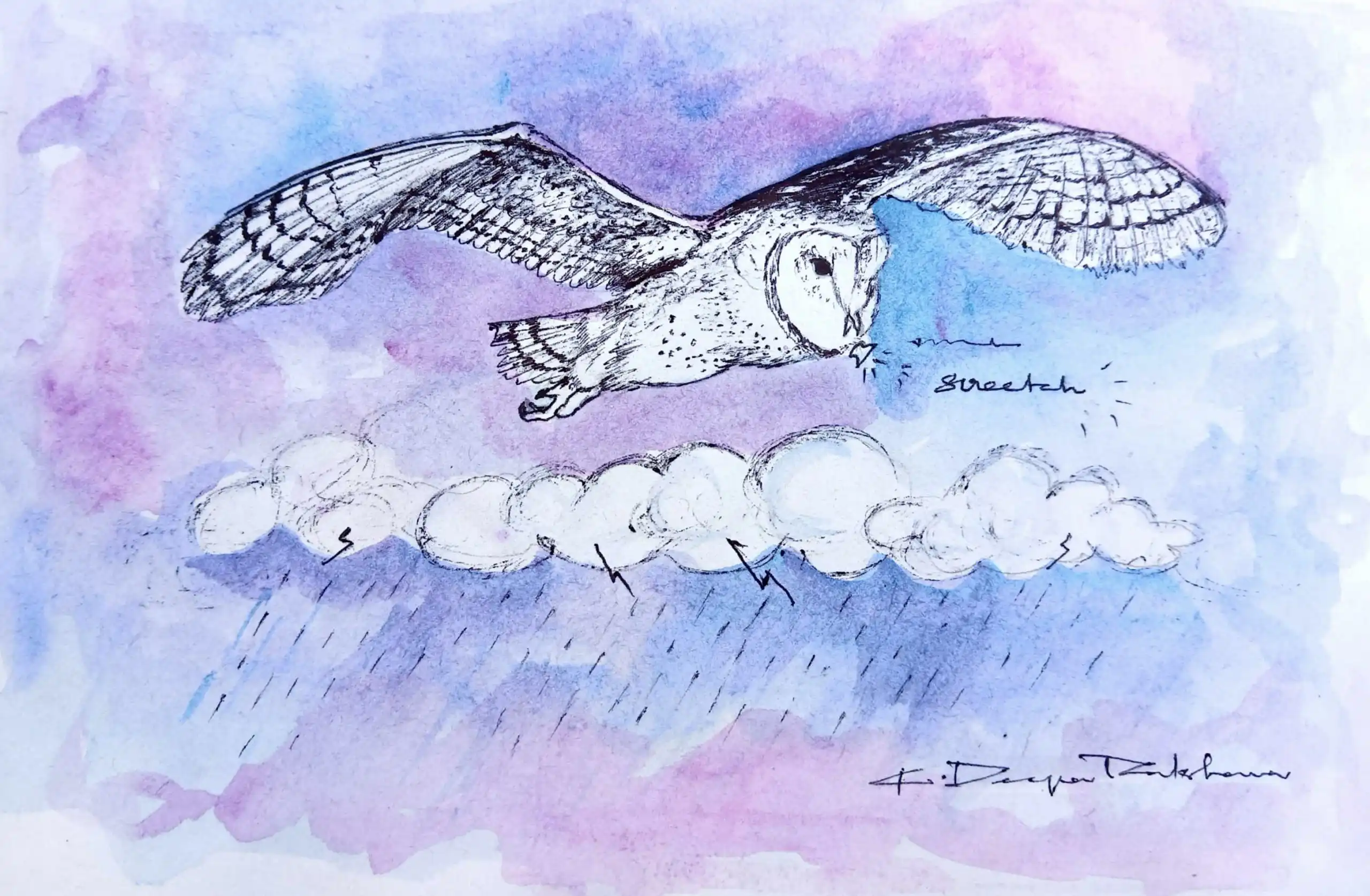
But if the owl was heard during inclement weather, it was believed the weather would turn for the better. In Northern parts of England spotting an owl was seen as a sign of good fortune.
There are multiple other legends about owls, found in various cultures that uphold the owl in positive light. Yet, they continue to be victims of merciless killings for centuries. Owls play a critical role in the ecosystem and are a farmers friend, as they keep pests at bay.
There are plenty of myths and superstitions that victimise this harmless raptor, causing them to be hunted rampantly. We debunk and share various myths and superstitions about owls in our post here.
It is also interesting, on the other hand to see how in mythology owls have been showcased as auspicious beings, of importance to mankind while co-existing with them.
“Advice from an owl: stay focused, be “whoo” you are, trust in a wise friend, live off the land, glide through the dark times, be observant, life’s a hoot!” ― Ilan Shamir
Art by: Deepa Rakshana, Naturalist, Pench Tree Lodge

Pugdundee Safaris is recognized as one of India’s leading responsible safari companies. With seven intimate jungle lodges in Central India and many bespoke wilderness experiences it presents the very best of the Indian subcontinent wildlife & hospitality. Between 2009 and 2026, we have been awarded for our excellence in wildlife safaris, our commitment to sustainability, our experienced naturalists and our pioneering mobile safari initiative. Pugdundee is a Hindi word meaning a foot trail commonly used by humans and animals, this word is popularly used for such beaten paths in the Indian jungles. We continuously strive to deliver the best possible guest experience, while still integrating the conservation of jungles and the people living around. We are motivated by the hope of reaching out to people in the remotest areas of our country, as we believe that they are the front-runners of wildlife conservation. However, maybe just a drop in the ocean we consider that we are making a significant contribution to wildlife conservation and rural economy wherever our lodges are.