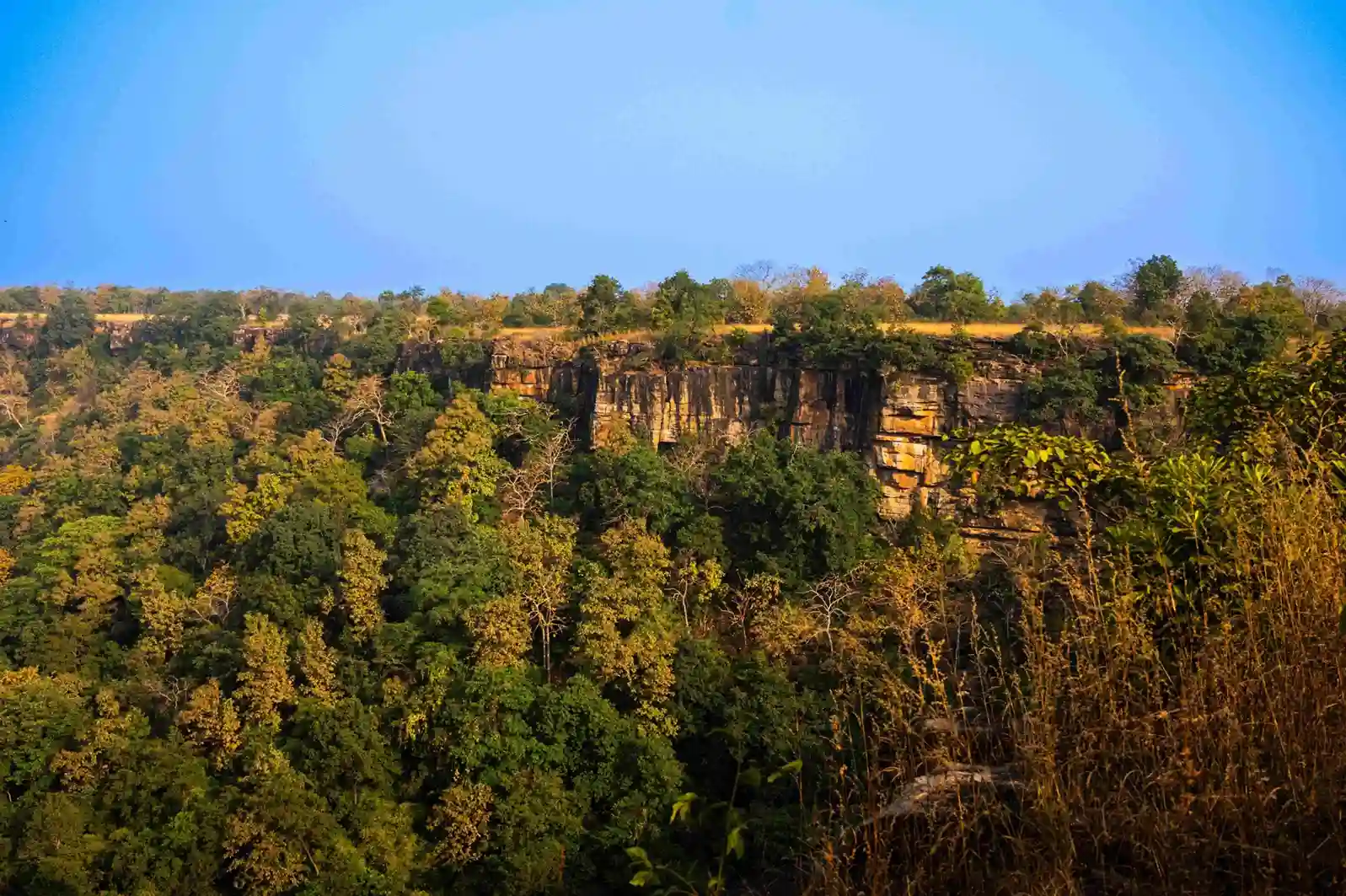
Panna Tiger Reserve is renowned for its stunning landscape, famous for multiple reasons. The region is globally celebrated for its diamond mines, while the picturesque Ken River provides breathtaking vistas. Surrounding areas also hold great religious significance, attracting both pilgrims and tourists. Panna’s landscape is a unique blend of vibrant forests, the majestic Ken River, and its rich mining history.
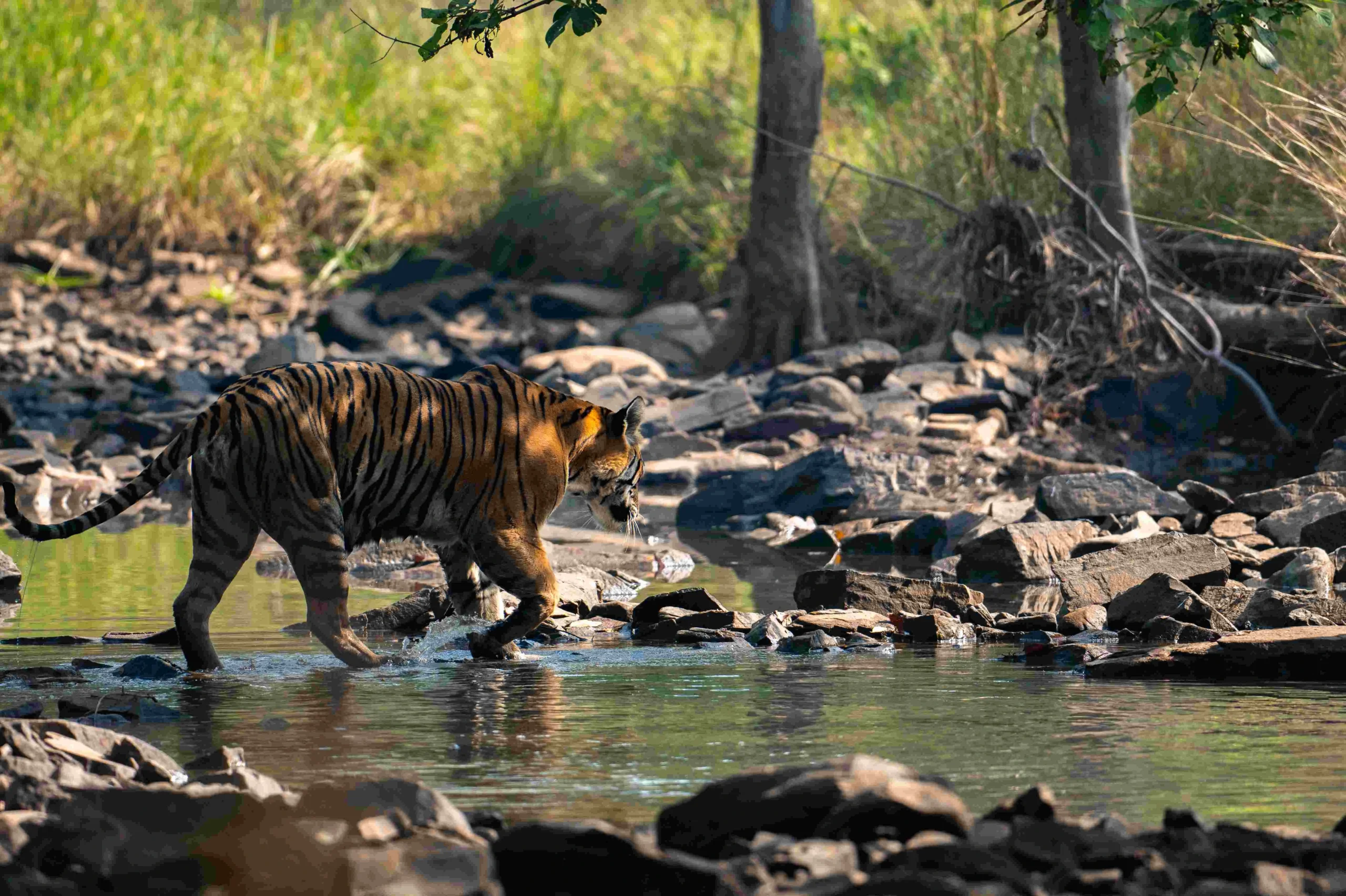
Known for its stunning landscapes and diamond mines, Panna National Park is home to the mightiest species from cat family. Homeland of Royal Bengal Tigers, this reserved forest is located in Madhya Pradesh. The reserve came to light for its dwindling tiger population. This led the Government of India to initiate tiger reintroduction plan in 2009.
PANNA TIGER RESERVE BECAME A GLARING EXAMPLE OF CONSERVATION FAILURE
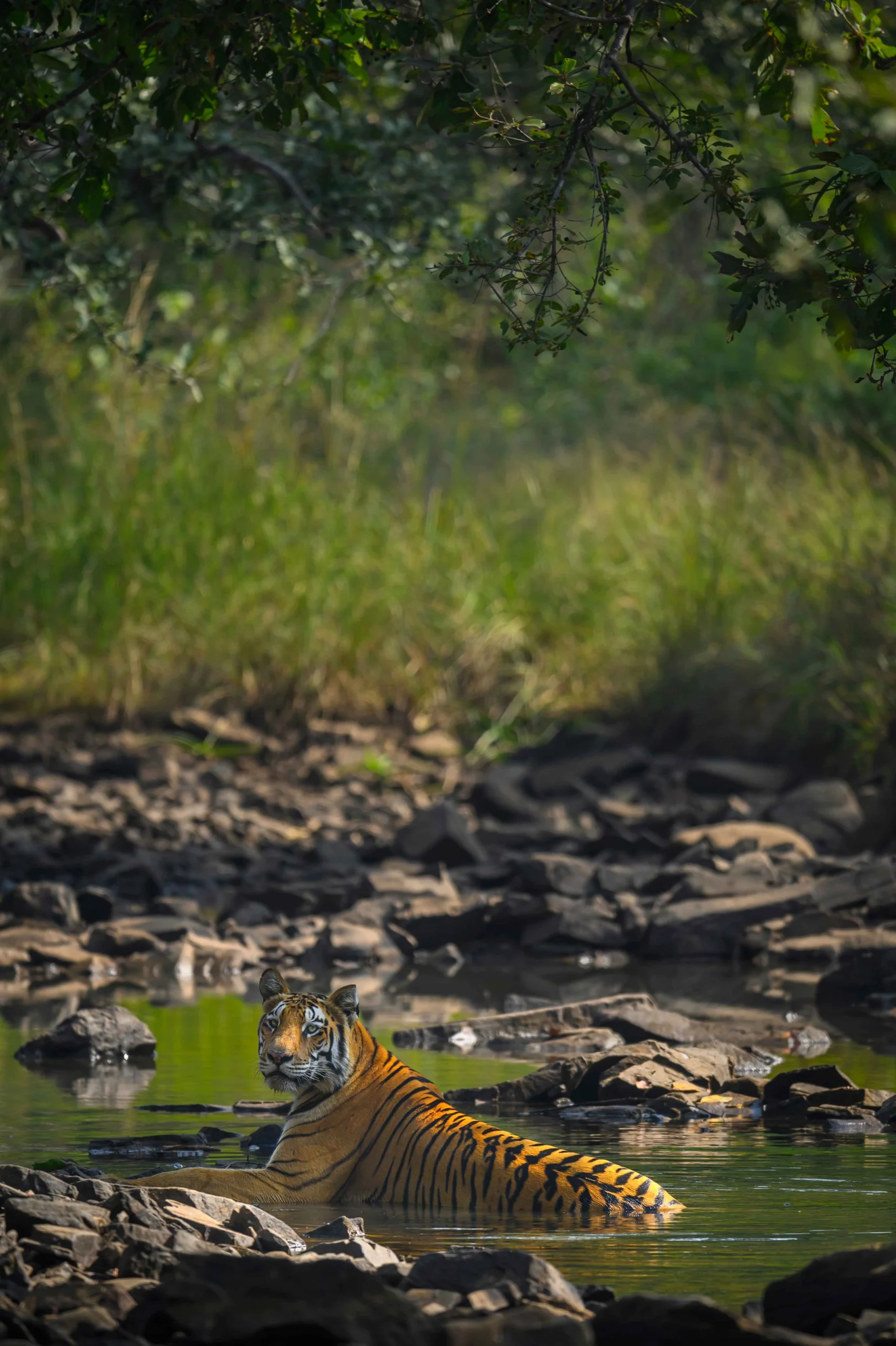
However, the reserve gained significant attention for its tiger population—or rather, the lack of it—in 2009. The forest faced a severe crisis when its entire tiger population in Panna was declared extinct due to rampant poaching and excessive illegal hunting. Located at the northern boundary of Madhya Pradesh, sharing a border with Uttar Pradesh, the reserve became a glaring example of conservation failure.
Realizing the gravity of the situation, the Government of India initiated a tiger reintroduction program to restore the species in Panna. The absence of tigers was detected late due to outdated monitoring techniques (pug mark), which initially misled authorities about the true numbers. Once the crisis was acknowledged, swift action followed. From a situation of having no tigers in 2009, tiger population in Panna has now rebounded remarkably, making it one of the key destinations for a tiger tour in India for wildlife enthusiasts and conservation-minded travelers.
TIGER REINTRODUCTION PROGRAM IMPLEMENTED BETWEEN 2009 & 2011

Between 2009 and 2011, tiger revival in Panna was carefully planned. In this a tiger reintroduction program was implemented to revive the population. Initially, seven tigers were relocated: three from Kanha and four from Bandhavgarh Tiger Reserves.
In 2011, semi-wild tigers were introduced directly into the landscape to further boost the population. Continuous scientific monitoring was launched, and between 2009 and 2020, more than 20 tigers were radio-collared to track their movements and ensure their safety. The program emphasized reducing poaching, enhancing surveillance, and implementing a robust framework to protect the tigers’ habitat. This collaborative effort, involving the forest department, the National Tiger Conservation Authority (NTCA), and the Wildlife Institute of India, played a crucial role in creating a safe environment for tigers. Read our blog to know more about these majestic cats.
Spanning across three districts Panna, Chatarpur and Damoh with a geographical area of 1,574sq km with a 542 sq km core zone and 1032 sq km of buffer zone, Panna National Park now stands as one of India’s most remarkable conservation success stories.
RESERVE OFFICIALLY RECORDS 58 TIGERS TILL 2021
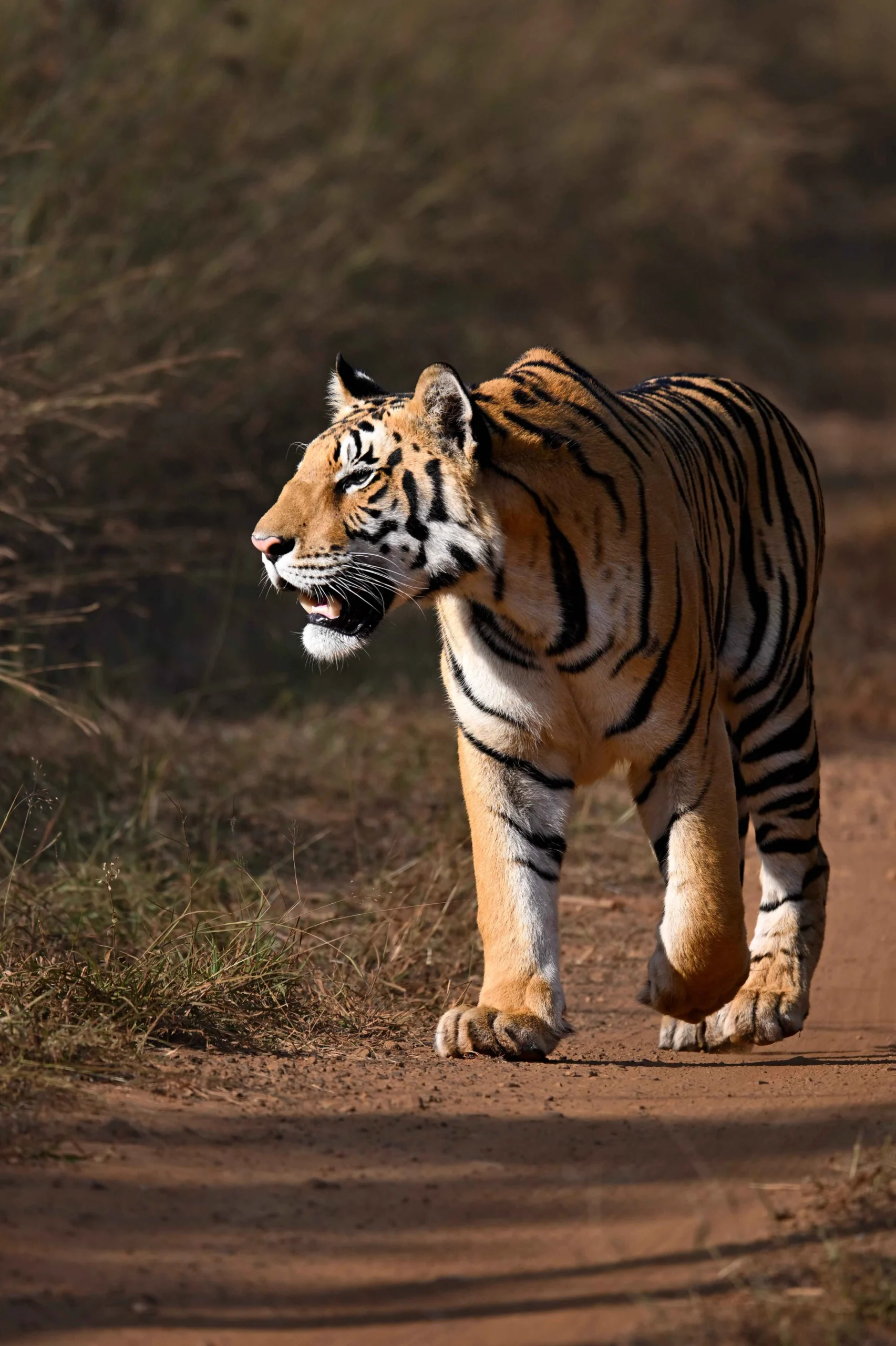
In 2024, a peer-reviewed scientific publication led by Dr. Ramesh Krishnamurthy of the Wildlife Institute of India (WII) revealed the outcomes of rigorous monitoring after the reintroduction. The study highlighted the story of tiger revival in Panna. It pointed out Panna’s remarkable tiger survival rate of 82% and an annual growth rate of 26%. By 2021, the reserve officially recorded 58 tigers, with the population continuing to thrive. Click here to learn top 15 facts about tigers.
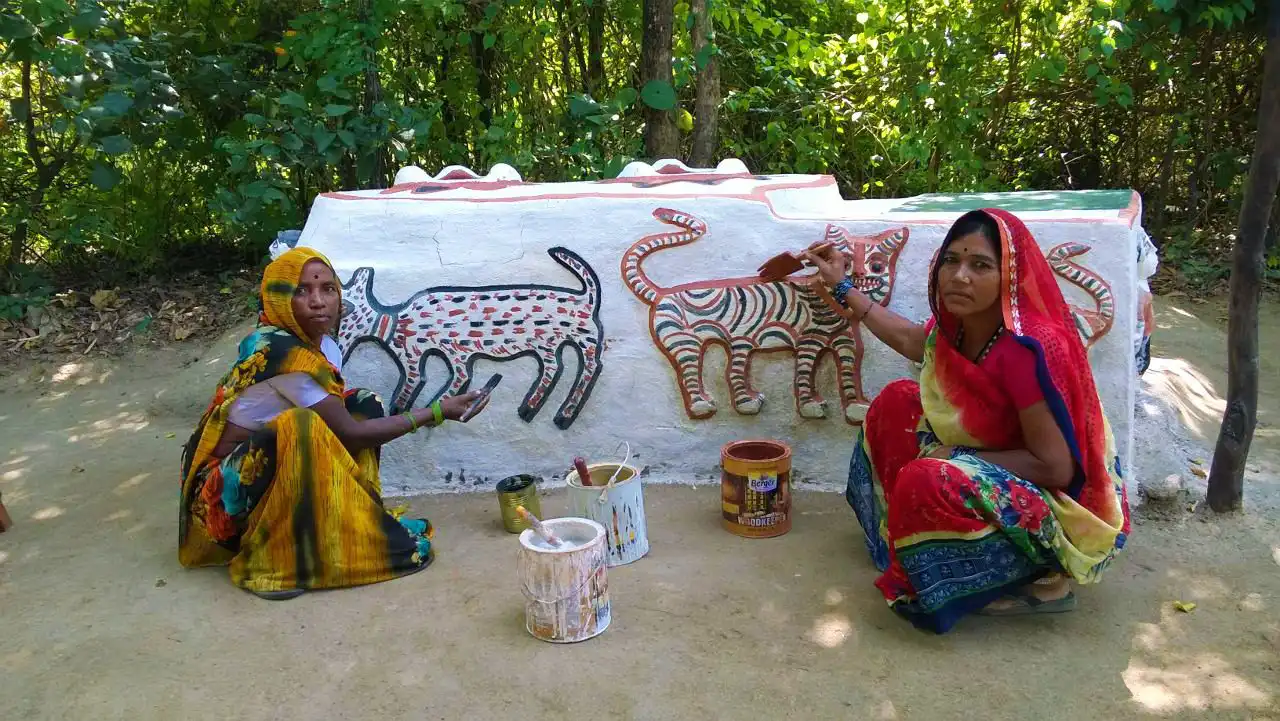
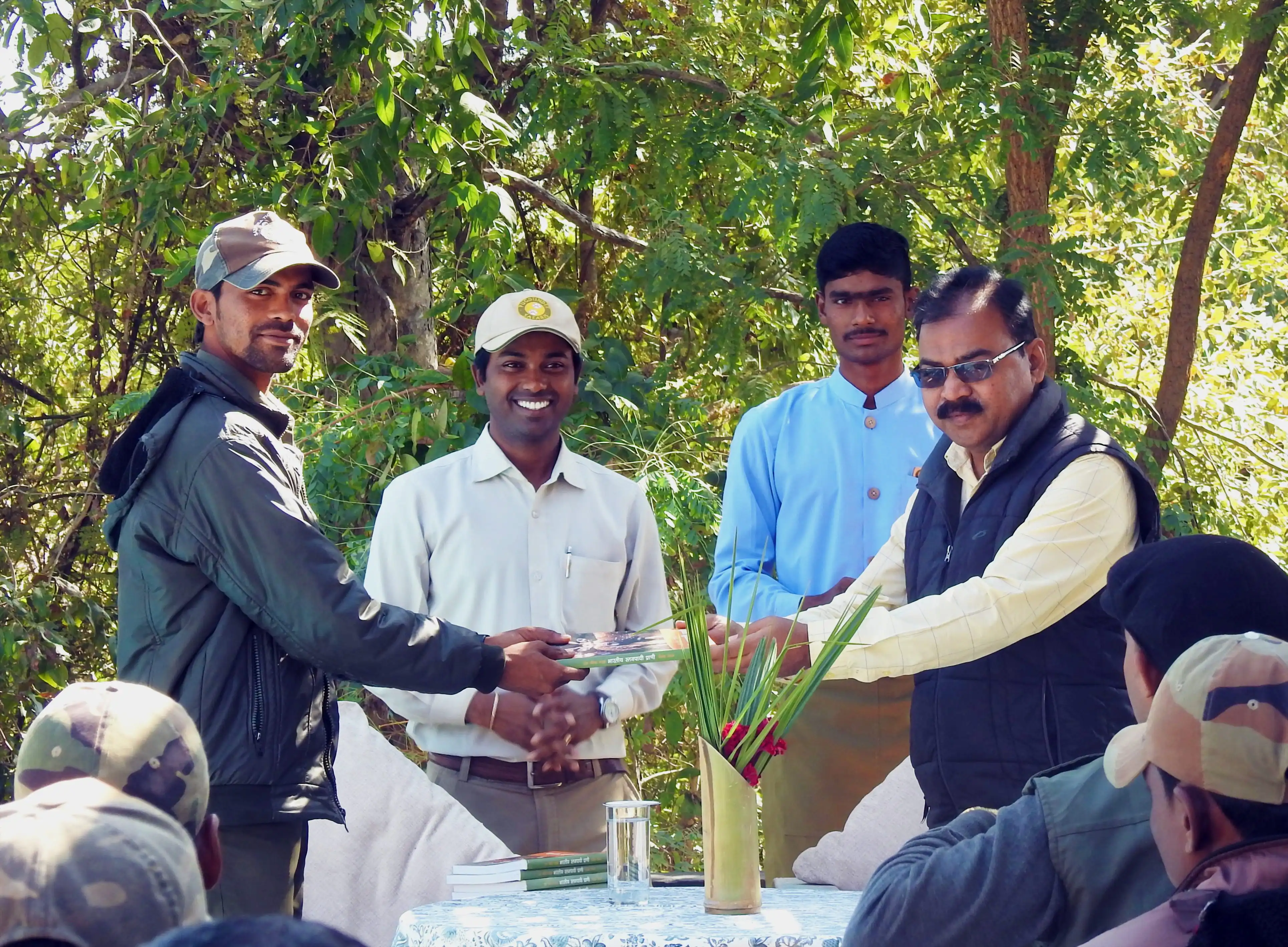
Panna Tiger Reserve spans a vast landscape divided into five ranges. The lands that were once devoid of tigers now flourish with a growing population, thanks to the relentless efforts of conservationists, local communities, and forest officials. The resurgence of tigers in Panna is a testament to the power of collaborative conservation and adaptive management.
This is the story of one of India’s greatest wildlife recoveries, showcasing how a focused and inclusive approach can bring species back from the brink of extinction. Today, Panna stands as a beacon of hope for tiger conservation and a symbol of resilience, highlighting the possibility of coexistence between nature and human aspirations.

Pugdundee Safaris is recognized as one of India’s leading responsible safari companies. With seven intimate jungle lodges in Central India and many bespoke wilderness experiences it presents the very best of the Indian subcontinent wildlife & hospitality. Between 2009 and 2026, we have been awarded for our excellence in wildlife safaris, our commitment to sustainability, our experienced naturalists and our pioneering mobile safari initiative. Pugdundee is a Hindi word meaning a foot trail commonly used by humans and animals, this word is popularly used for such beaten paths in the Indian jungles. We continuously strive to deliver the best possible guest experience, while still integrating the conservation of jungles and the people living around. We are motivated by the hope of reaching out to people in the remotest areas of our country, as we believe that they are the front-runners of wildlife conservation. However, maybe just a drop in the ocean we consider that we are making a significant contribution to wildlife conservation and rural economy wherever our lodges are.