Madhai was a tribal village nestled on the foothills of the Chutkidev mountains of the Satpura range.
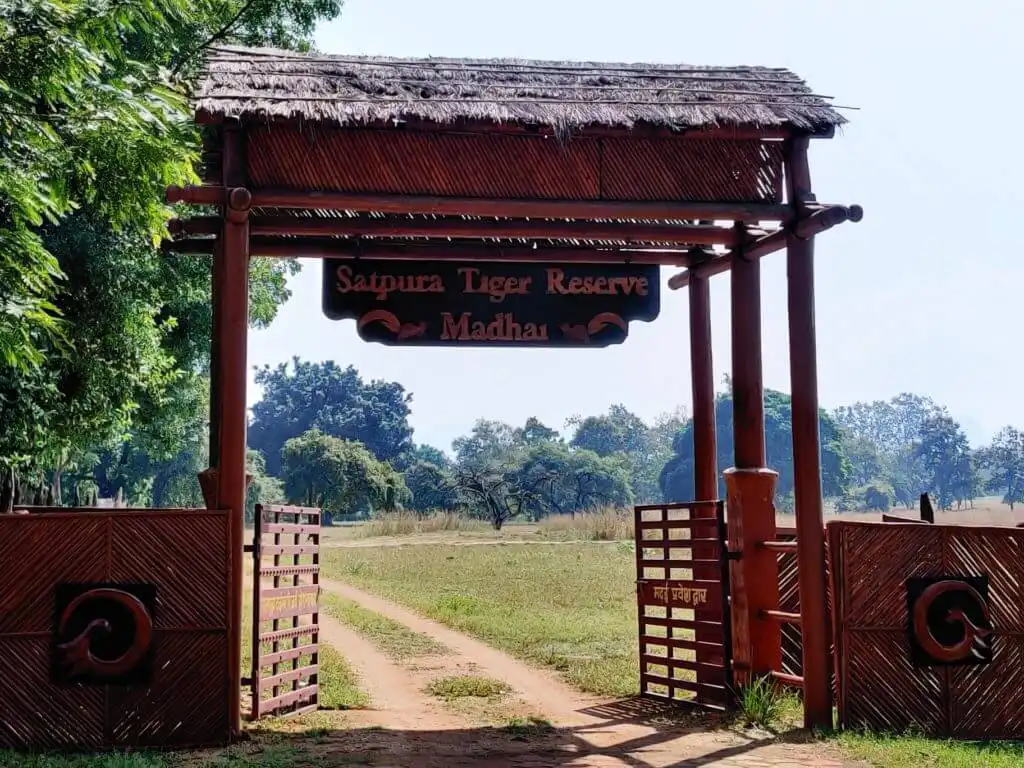
Madhai’s journey started out as a small reserve forest in 1857, that went on to become a wildlife sanctuary in 1975. Later it was established as a tiger reserve in the year 2000 with an area of about 1400 sq km.
Madhai had a small, tribal group of people, primarily dependent on forest products and farming. According to some of the locals, ‘Madhai’ or ‘Madhana’, in the local language means “carnival”. Carnivals and fun fairs are common recreational activities around Indian villages since the beginning, and that applies to Madhai as well.
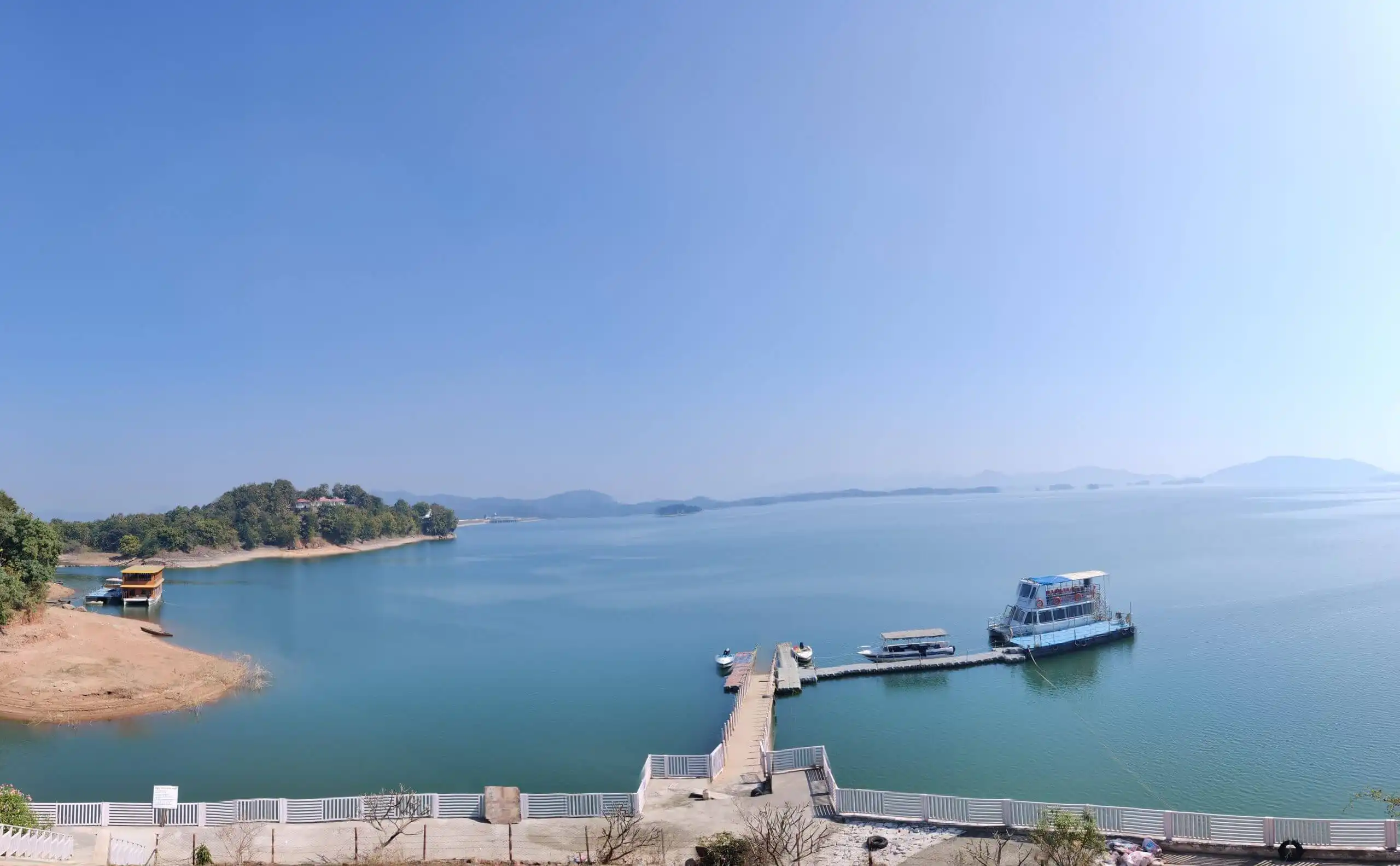
In 1978, after the construction of Tawa dam, the entire village moved outside the park, so as to benefit themselves with different provisions made by the local government. The village got split and the families settled down into different pockets of the micro village settlements, on the other side of the river Denwa. This locality as a whole is now considered Madhai.
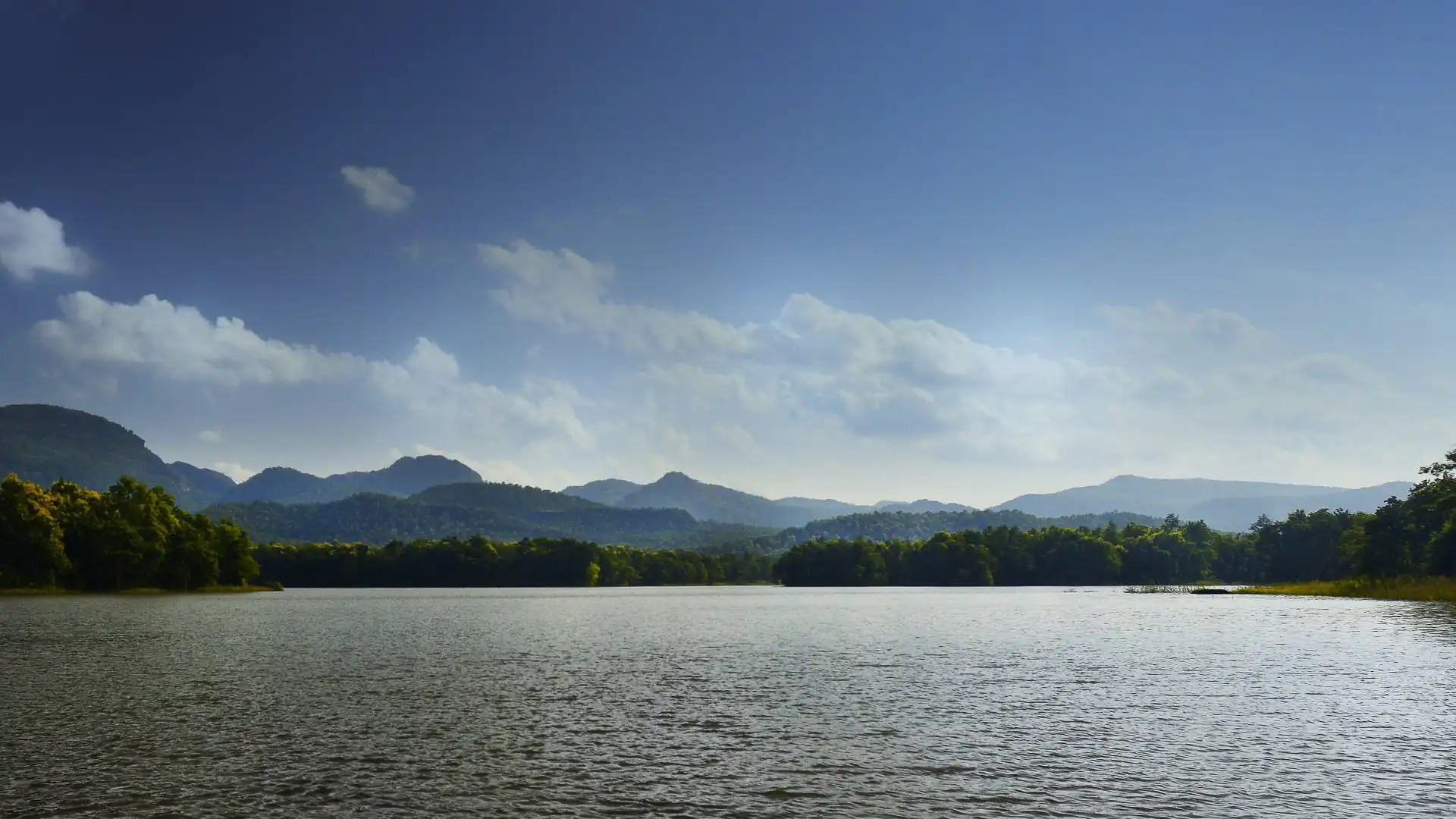
Denwa river (later Tawa reservoir), a lifeline for the villagers and the surrounding ecosystem, flows ahead to meet with the Tawa river.
On the banks of the Tawa river is a huge dam with 13 gates constructed for irrigation and a small hydropower plant. The construction of the Tawa Dam began in 1958 and was completed in 1978. The mean depth of this reservoir is approximately 11 meters (Indian Council of Agriculture Research, 2000).
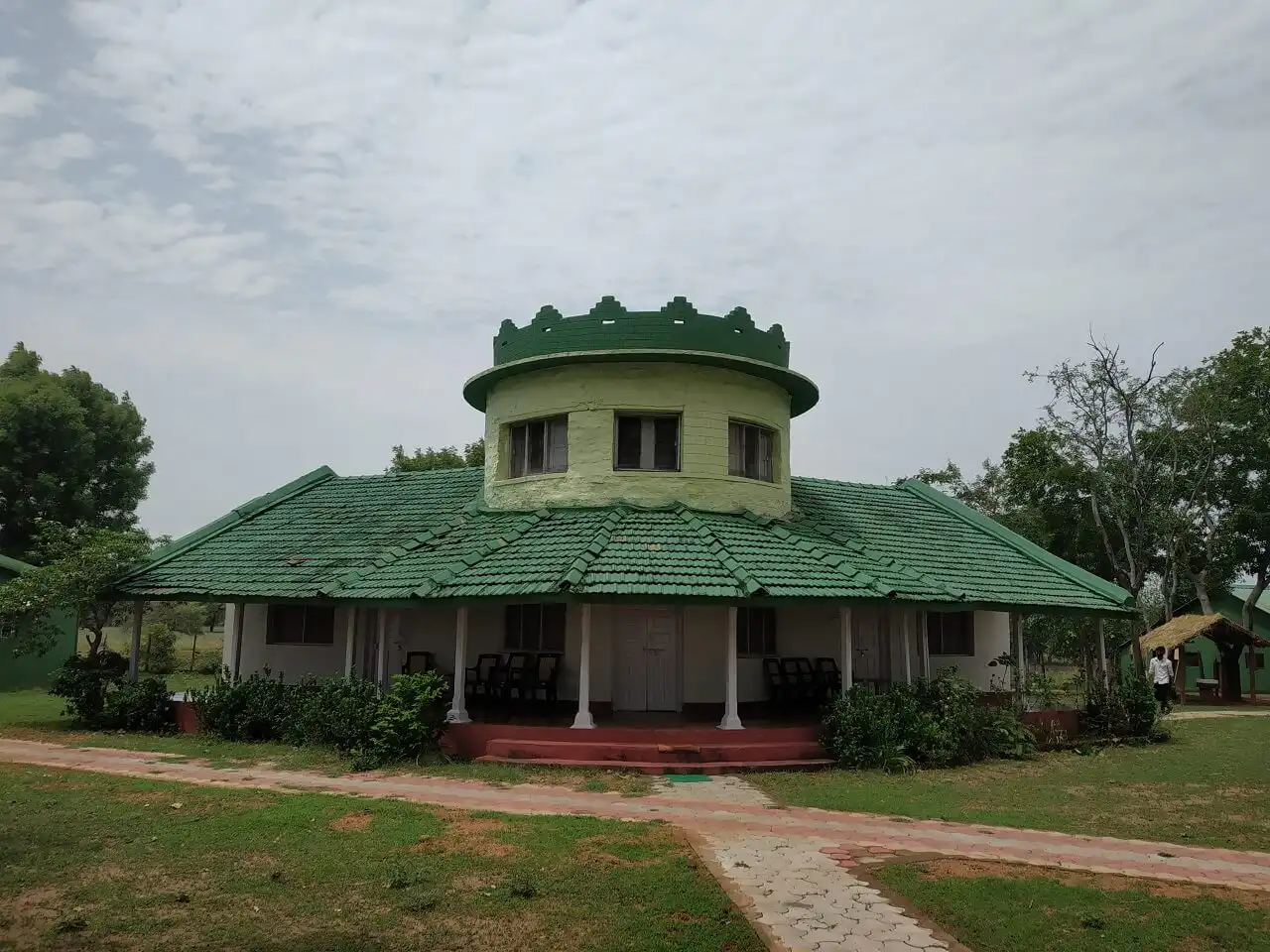
Madhai Forest Rest House
Earlier where the bustling village used to come alive, today there lies a colonial-style, cozy forest rest house popularly called Madhai Forest Rest House.
One can stay at the Forest Resthouse, right next to the gate of the core area, and enjoy the enthralling experience. It overlooks the Denwa River on one side and the beautiful grassland of Madhai on the other.
Albeit basic, the stay here is comfortable if you come during the right season. There is no provision for air conditioning, running hot water, or TV. The entire establishment is run by solar power, so do expect dim LED bulbs.
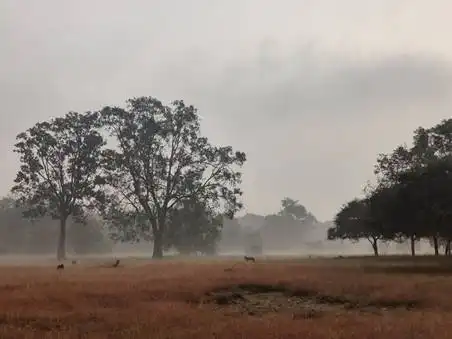
You can also enjoy amazing views of the Denwa River from Madhai Forest Rest House. It is a common sight to see deers and antelopes strolling around the gardens around.
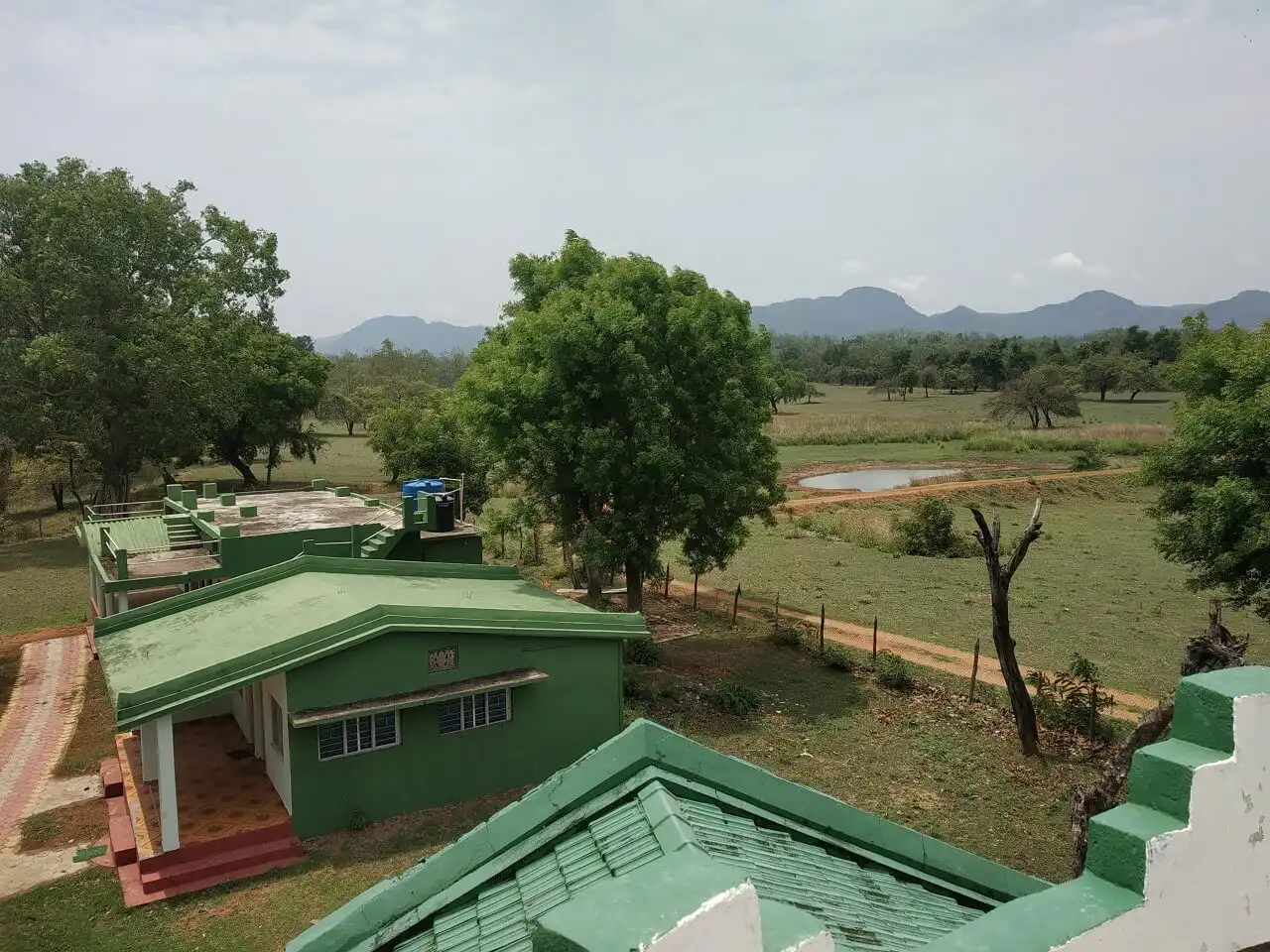
The real luxury of this place lies in the very pristine, fresh air. After all, what luxury matches the feeling of being in the lap of untouched nature?
Most of the resorts and hotels in Satpura are located around Madhai. Madhai is also the starting point for walking safaris in Satpura and also jeep safaris in Satpura.
Denwa Backwater Escape, by Pugdundee Safaris, is an idyllic getaway, nestled in the expansive forested land of Madhai, along the backwaters of the meandering Denwa River. Built on 10 acres of lush forested land; the lodge offers stunning views of the serpentine Denwa River, unhindered grasslands, and the rolling Pachmarhi hills.
The core forest reserve lies across the river and is accessible through a scenic boat ride, followed by a jeep safari that takes one into the depth of the forests.
Visit Our Luxurious Lodges in Different National Parks of India
Pugdundee Safaris offers some of the best wildlife stays across India. If you’re planning your next jungle adventure, explore our handpicked stays including our Resorts in Satpura National Park, Resorts in Kanha National Park, Resorts in Pench National Park, Resorts in Bandhavgarh National Park, and Resorts in Tadoba National Park.
Each property is thoughtfully designed to offer an immersive experience in the heart of nature while ensuring top-notch comfort and hospitality.
Get in touch with our trip curators at Pugdundee Safaris to book your next wildlife holiday.
Our trip curators at Pugdundee Safaris are more than happy to assist you.
Call us at: +91-9718637711, +91-8800637711
Email: enquiry@pugdundeesafaris.com
Contributed by: Mugdha Desai and Swanand Deshpande, Naturalists, Denwa Backwater Escape

Pugdundee Safaris is recognized as one of India’s leading responsible safari companies. With seven intimate jungle lodges in Central India and many bespoke wilderness experiences it presents the very best of the Indian subcontinent wildlife & hospitality. Between 2009 and 2026, we have been awarded for our excellence in wildlife safaris, our commitment to sustainability, our experienced naturalists and our pioneering mobile safari initiative. Pugdundee is a Hindi word meaning a foot trail commonly used by humans and animals, this word is popularly used for such beaten paths in the Indian jungles. We continuously strive to deliver the best possible guest experience, while still integrating the conservation of jungles and the people living around. We are motivated by the hope of reaching out to people in the remotest areas of our country, as we believe that they are the front-runners of wildlife conservation. However, maybe just a drop in the ocean we consider that we are making a significant contribution to wildlife conservation and rural economy wherever our lodges are.