“Birds of paradise” is a very well-known term, and it would definitely be on any birder’s or wildlifer’s wish list to see them. Their extraordinary courtship behaviour, nesting habits, colours and beauty have inspired numerous wildlife documentaries — two of the most famous being Attenborough in Paradise (1996) and Attenborough’s Paradise Birds (2015).
Being fond of birds, I watched these documentaries many times as a child and was always fascinated by the idea of seeing them in the wild someday. They seemed quite special.
Paradise?
Much later, when I started birding regularly, I came across another bird with “paradise” in its name — the “Asian Paradise Flycatcher”.
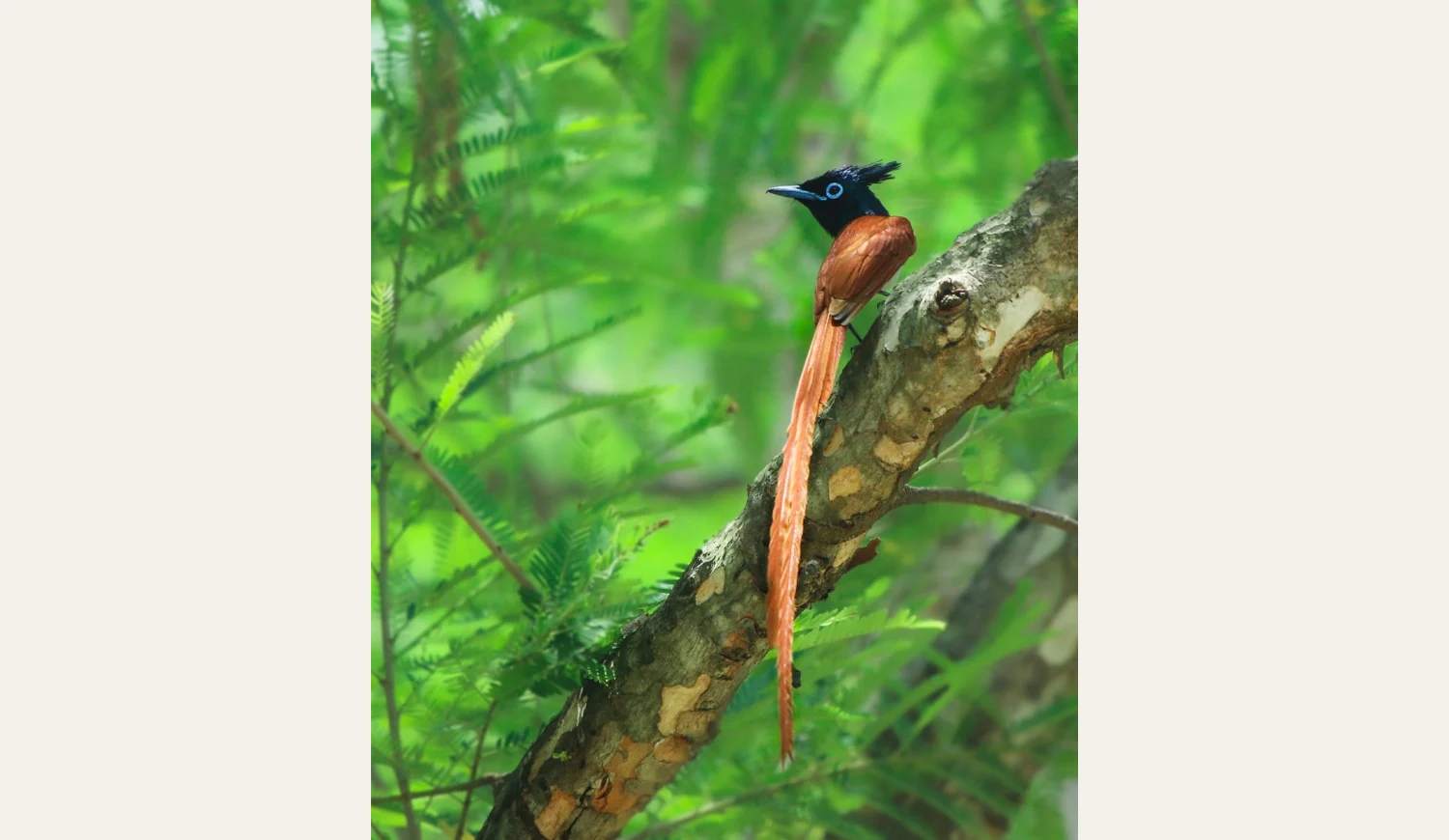
Its distribution is recorded even around Chennai city, where I grew up, yet I never got to see one. I had only seen its illustrated picture in guidebooks: a white bird with two long tail feathers. It looked stunning, but I always wondered why it got the name “paradise”.
In my mind, the word was forever associated with the spectacular birds of paradise I had seen in documentaries, and I simply couldn’t relate it to a flycatcher.
The Paradise Flycatcher’s Story
When I began my career as a naturalist, I was posted at Pench Tree Lodge, Pench Tiger Reserve.
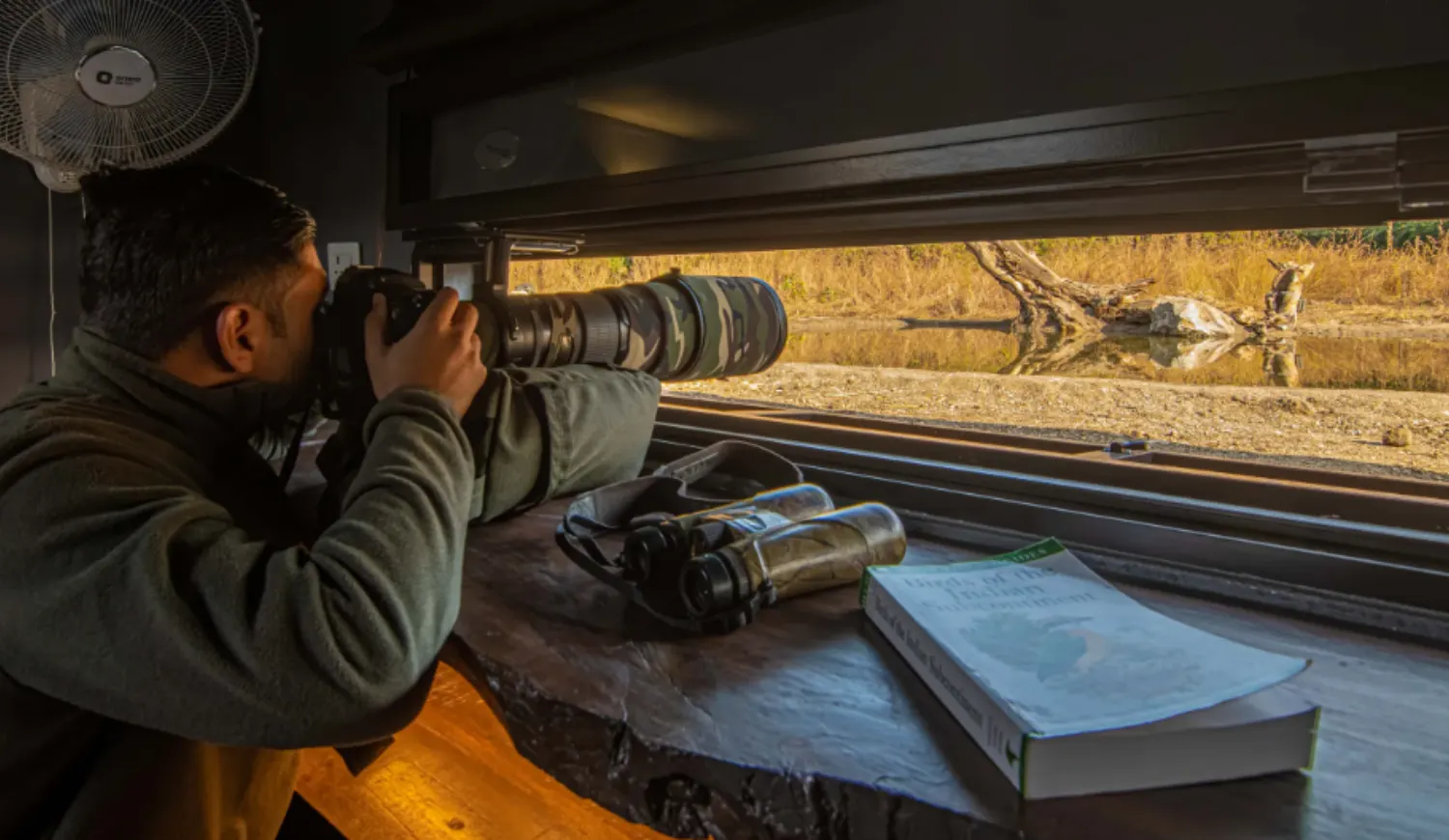
The lodge had India’s first ground-level, bunker-type bird hide, called “The Kipling Hide”, named after Rudyard Kipling. The naturalist who showed me around on my first property walk kept talking about the “Asian Paradise Flycatcher”. He told me how eagerly he waited for summer every year, when the male paradise flycatcher gets its long tail, and how much he looked forward to photographing them.
A Fairy in the Kipling Hide
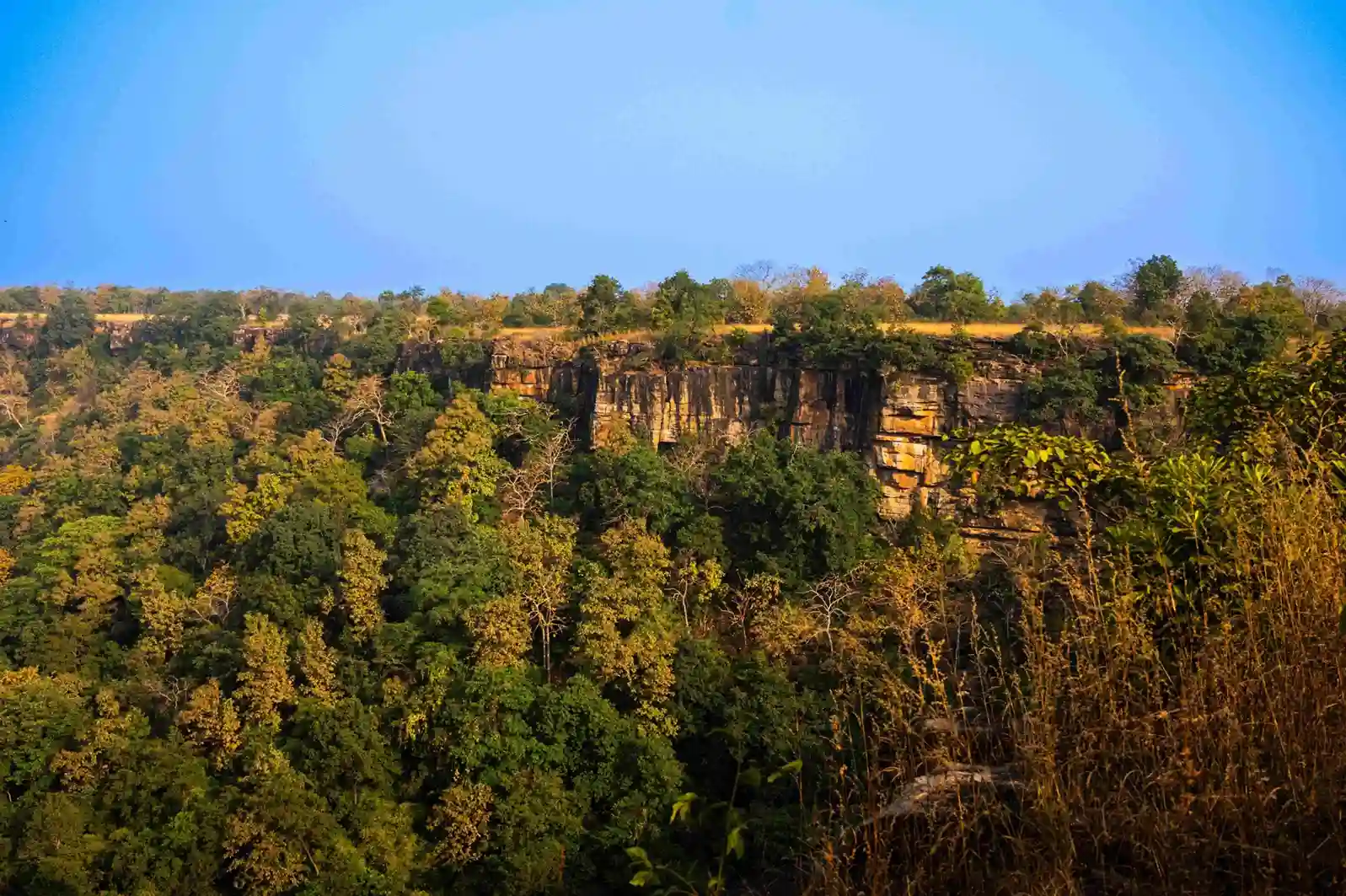
Months later, one summer afternoon in April, I had no safari and nothing much to do. So I decided to spend some time in the photography hide. The hide faced a waterhole, and beyond the waterhole was an open stretch of grassland, and beyond that stood a dense tree line.
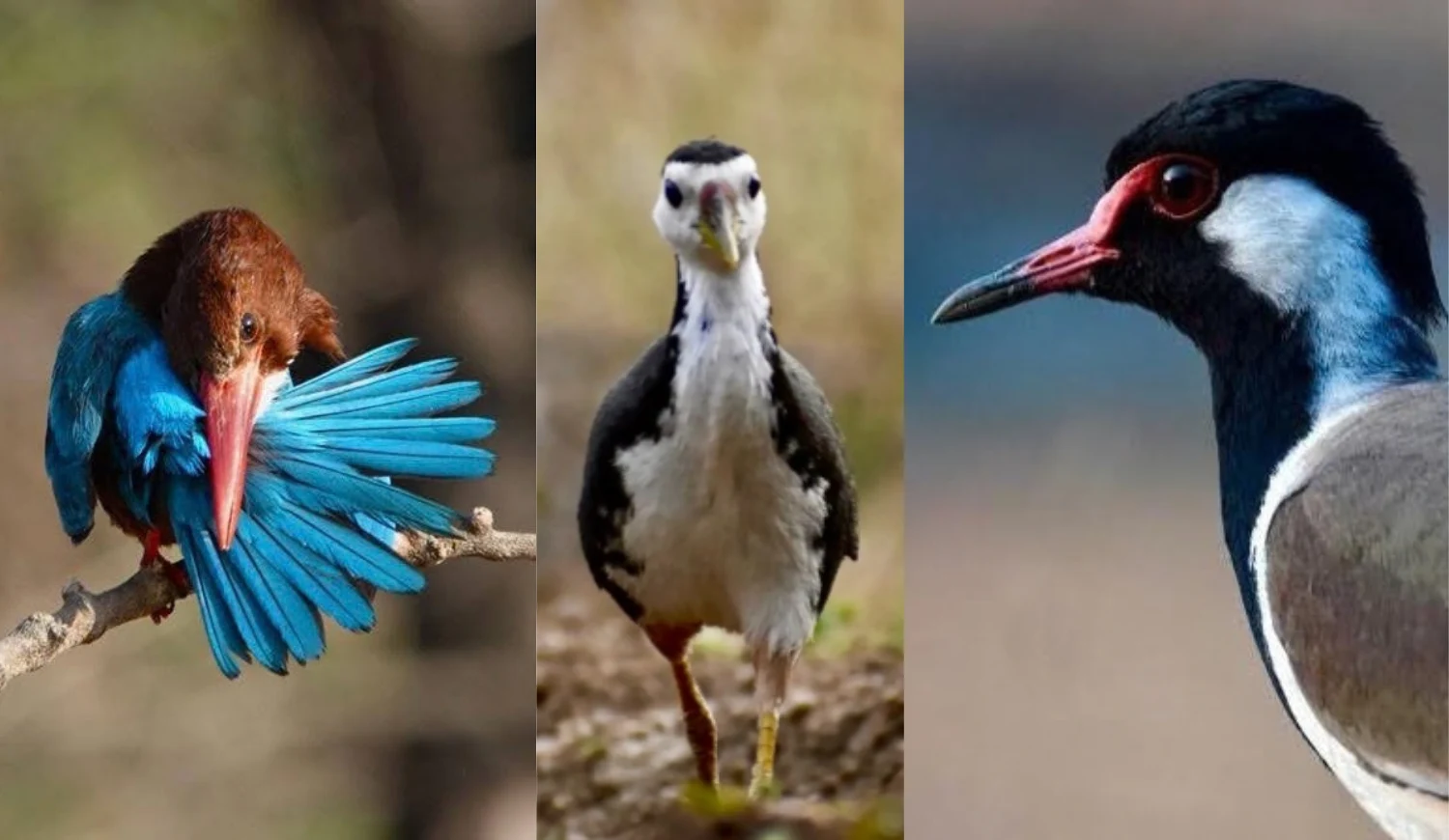
For the first hour, the hide was busy with visitors — White-breasted Waterhen, White-throated Kingfisher, Spot-breasted Fantail, Red-wattled Lapwing and more.
Then, suddenly, it went quiet. For nearly 20 minutes, there was absolute silence. Just as I was about to pack up, something bright white caught my eye on the distant tree line. I pulled my chair back and watched more carefully.
A couple of minutes later, there was another movement — it looked almost as though a bright white ribbon had fallen from one branch onto another. There was a lot of excitement and curiosity. What was this thing, really?
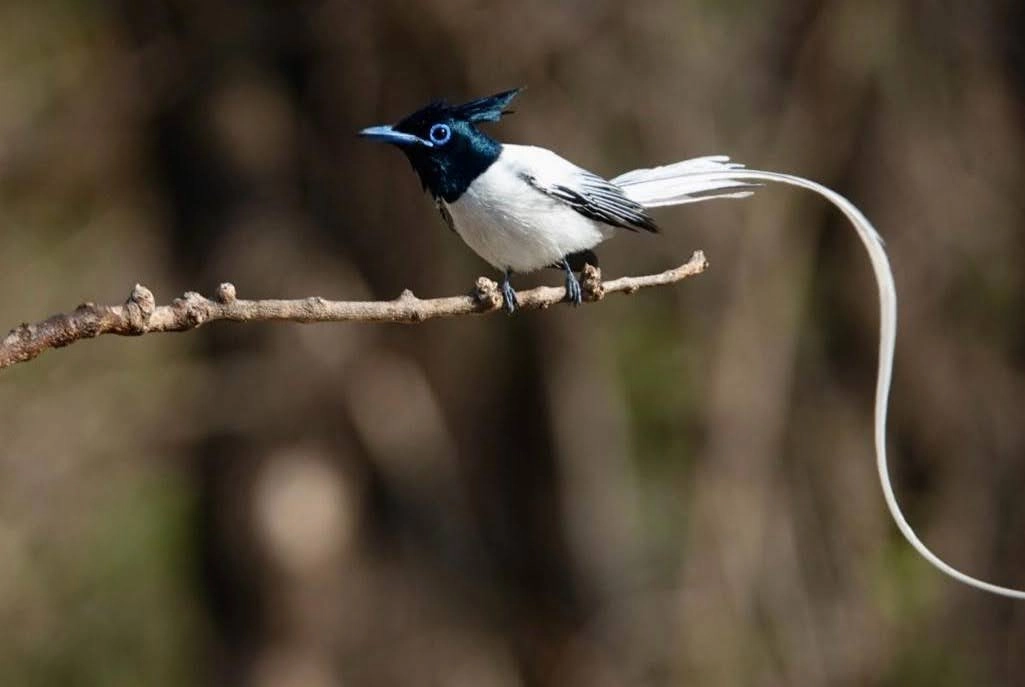
Fifteen minutes passed and I waited patiently. And then, suddenly, this beautiful, bright white, tiny, fairy-like creature flew out from the darkness of the tree line and, with its wavy flight, landed on one of the perches we had set up.
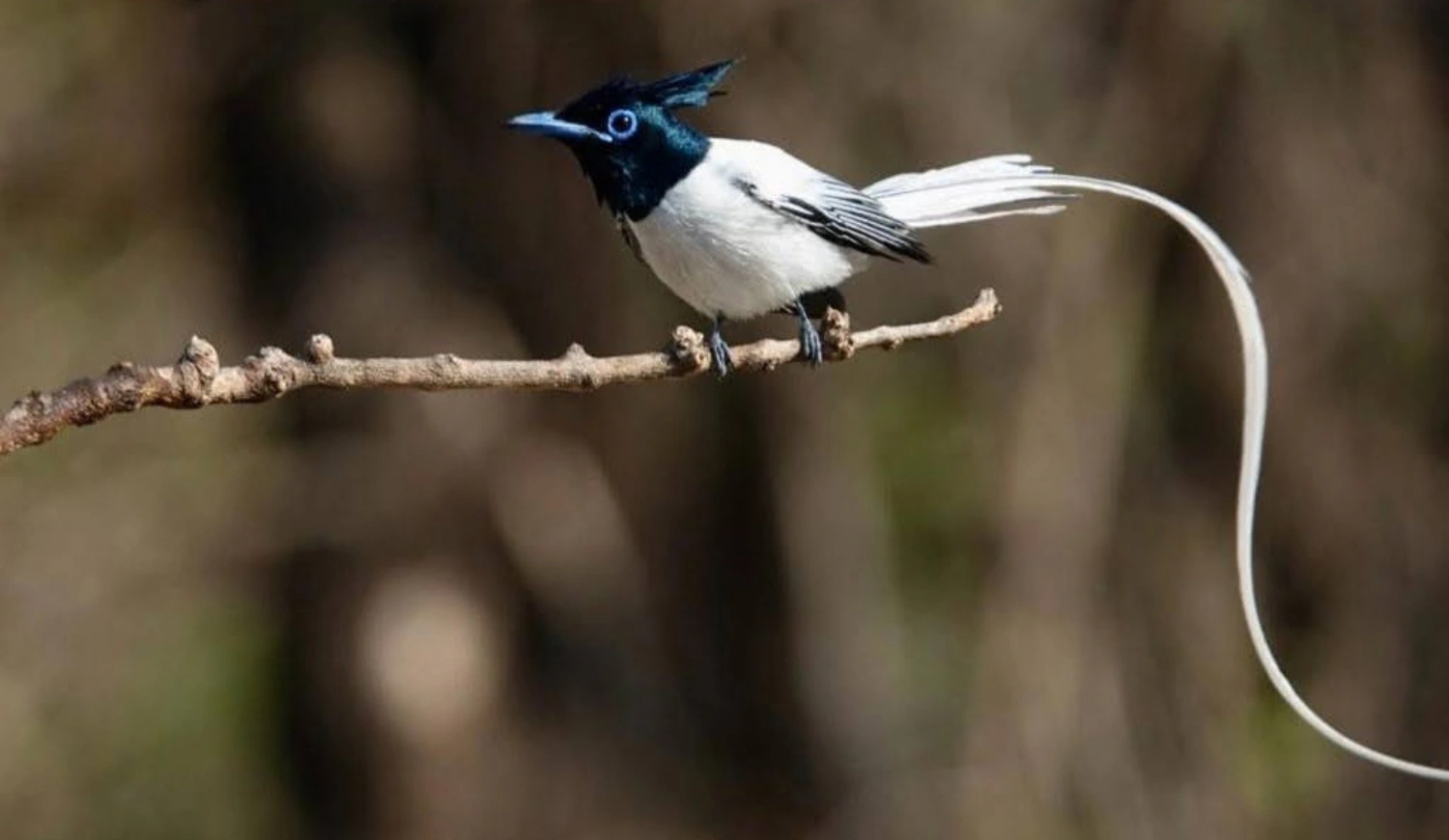
I honestly have no words to describe how beautiful, special and graceful this bird looked. It moved from one perch to another, and every time it turned its body to scan its surroundings, its long, ribbon-like tail danced in the air. The black feathers on its head shimmered with an iridescent sheen as the sunlight fell, while the blue eye-rings seemed to stand out!
And suddenly I thought: it did look like a creature from paradise.
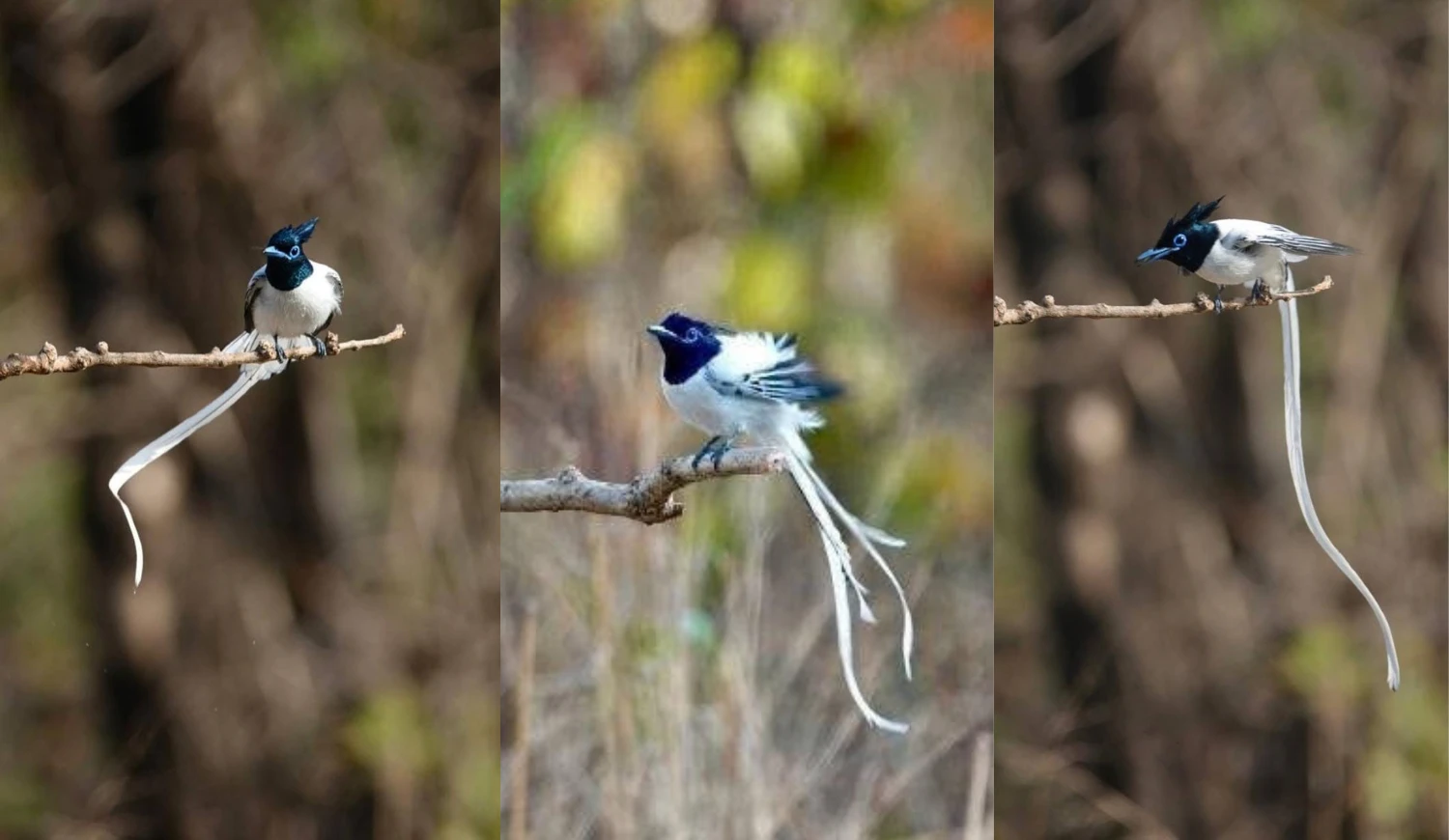
Completely mesmerised by what I saw, I finally got the answer to the question I had had as a child. It definitely looked like a living fairy!
That summer, and the summers that followed, I found myself returning to the hide whenever I had free time — to photograph this beautiful bird and to witness the magic again.
About the Indian Paradise Flycatcher (Terpsiphone paradisi)
The name “Terpsiphone” comes from two Greek words: terpo, meaning “to delight”, and phone, meaning “voice”. It translates to “delighting in voice”, though the paradise flycatcher is known for its visual beauty rather than its song.
The striking white plumage of adult males has led to the bird being known as the “Dudhraj”. The word “dudh” means “milk” in Hindi, while “raj” indicates royalty — a fitting reflection of this bird’s graceful appearance.
The bird is also referred to as “Shah Bulbul”, which gives it another kingly reference (“shah” means “king”).
Sexual Dimorphism
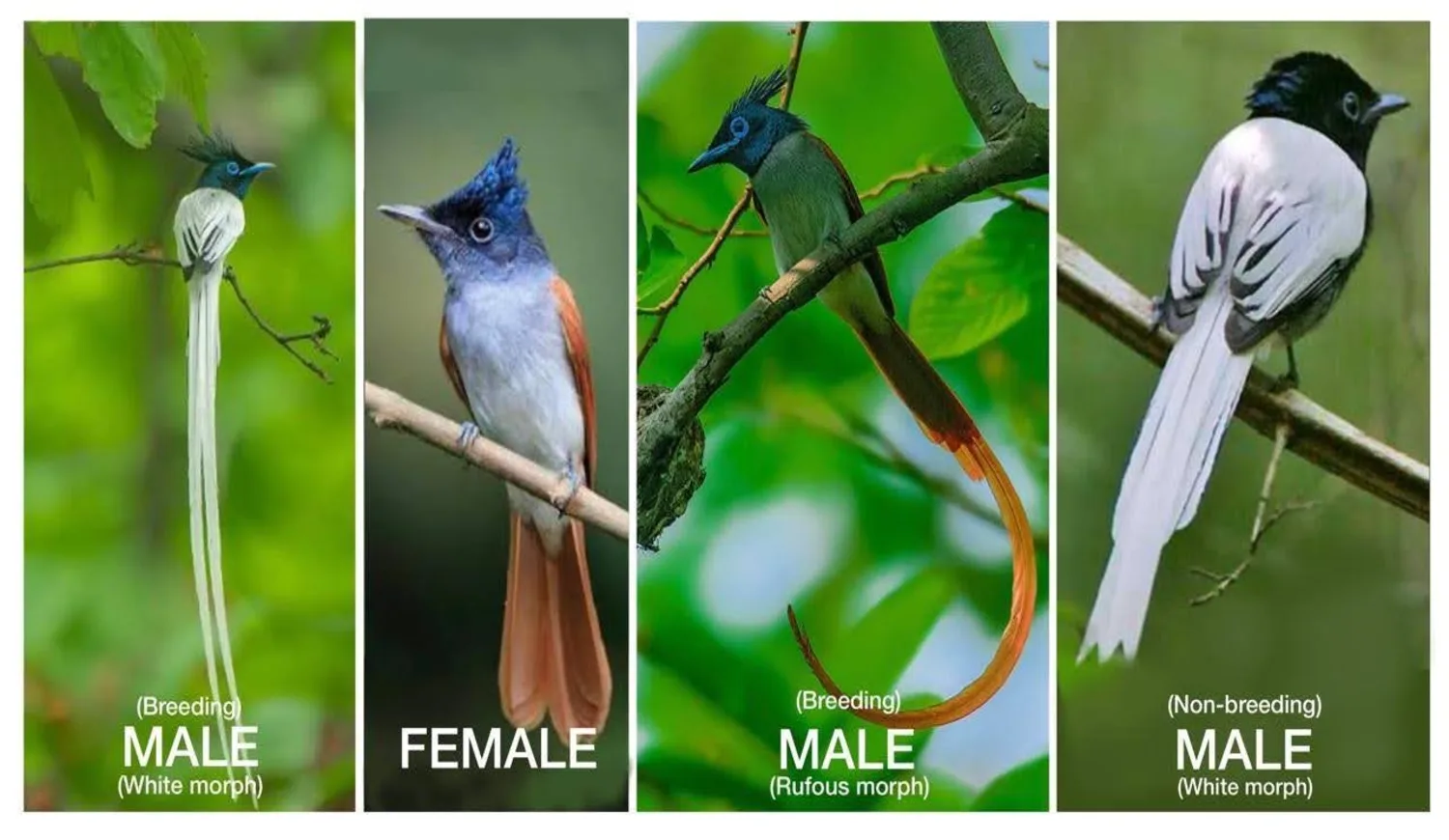
In the animal kingdom, it is usually the male that has the striking features and attractive colours, and the Indian Paradise Flycatcher is no exception. Only the males of these birds get the long, streaming tail. They grow it during the breeding season, which falls in summer, and later in the year they moult it. This is why we notice them more during the summer, even though they are present throughout the year in Central India.
In addition, males come in two different colour morphs — rufous and white. In the past, the rufous morph was thought to be a juvenile male, which was later proved wrong.
The females are always rufous in colour, and the long tail is absent in females.
Distribution
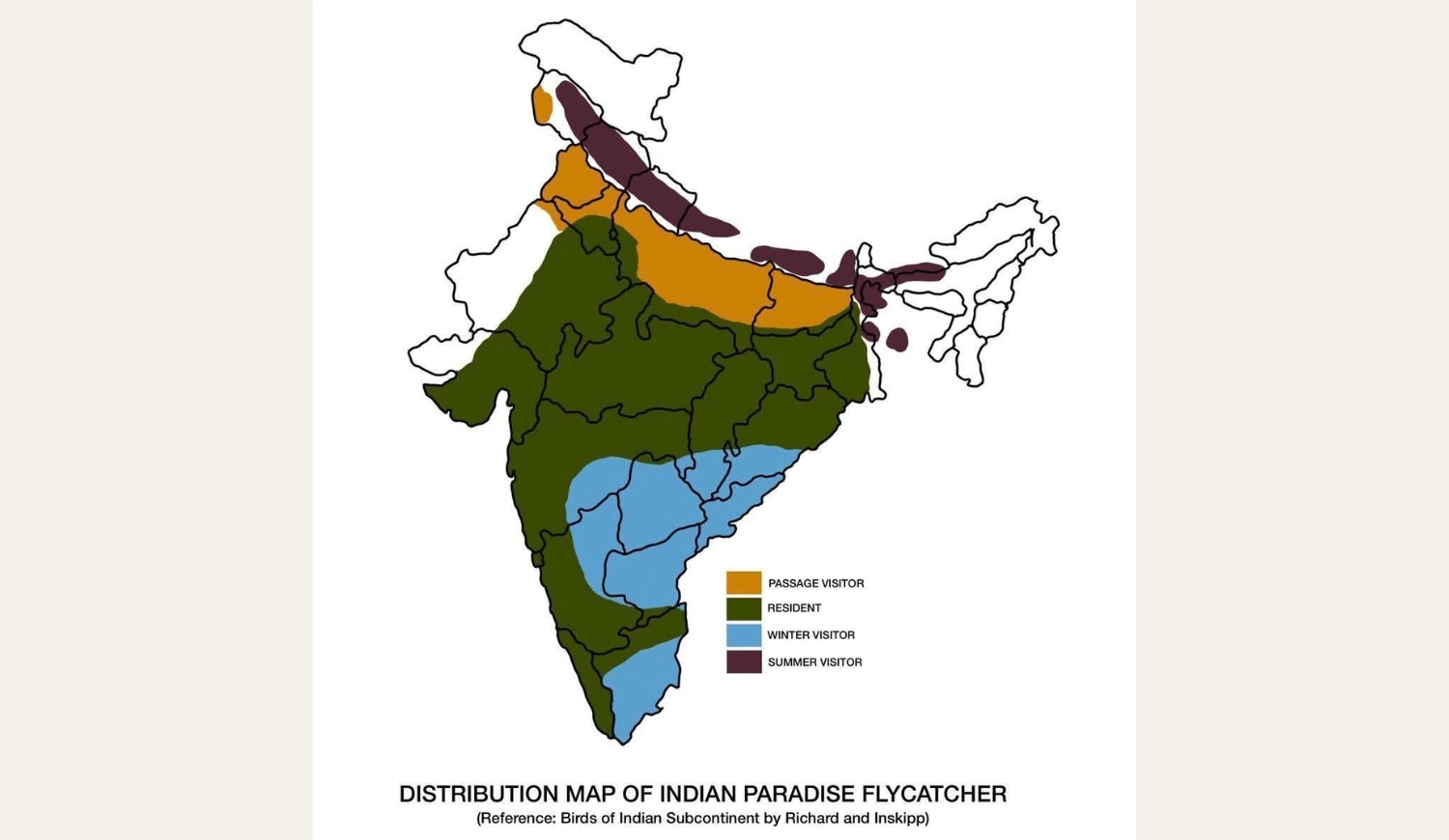
The Indian Paradise Flycatcher is found all across India, from deciduous to evergreen forests and even in green urban areas. Those residing in the Himalayas and the northern regions of India migrate during the winter season.
Breeding and Nesting
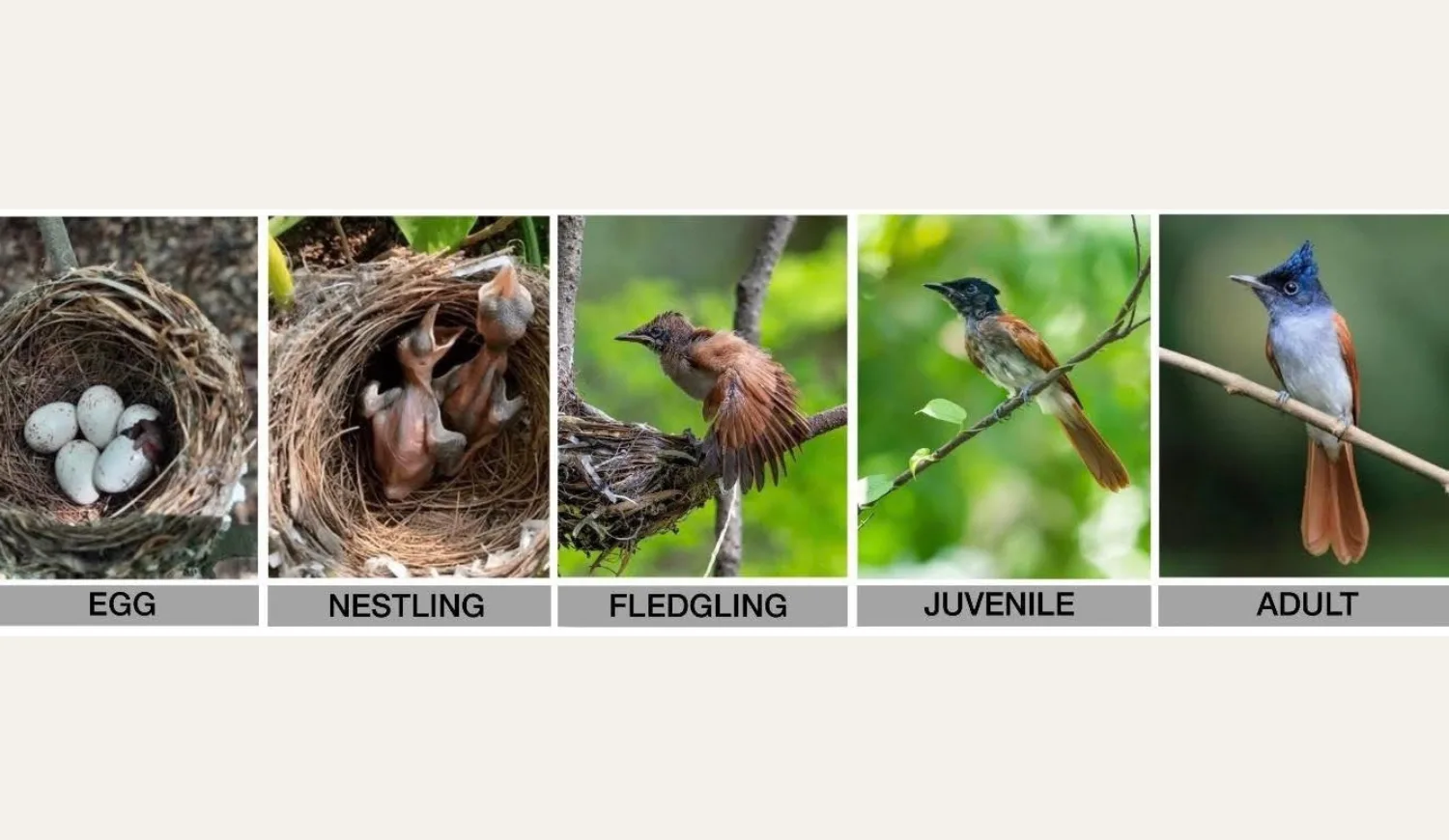
The parent birds remain monogamous during the breeding season, which lasts between May and July. Both the male and the female play an equal part in building nests, incubating the eggs and feeding their chicks. They construct cup-shaped nests in the forks of tree branches, using materials like spider webs and plant fibres.
The female lays between 3 and 4 eggs. Egg colour varies from white to light pinkish with brown speckles. Both parents share the incubation duties, which last for about 14–16 days. Once the nestlings hatch, the feeding duties are again shared by both parents.
Diet
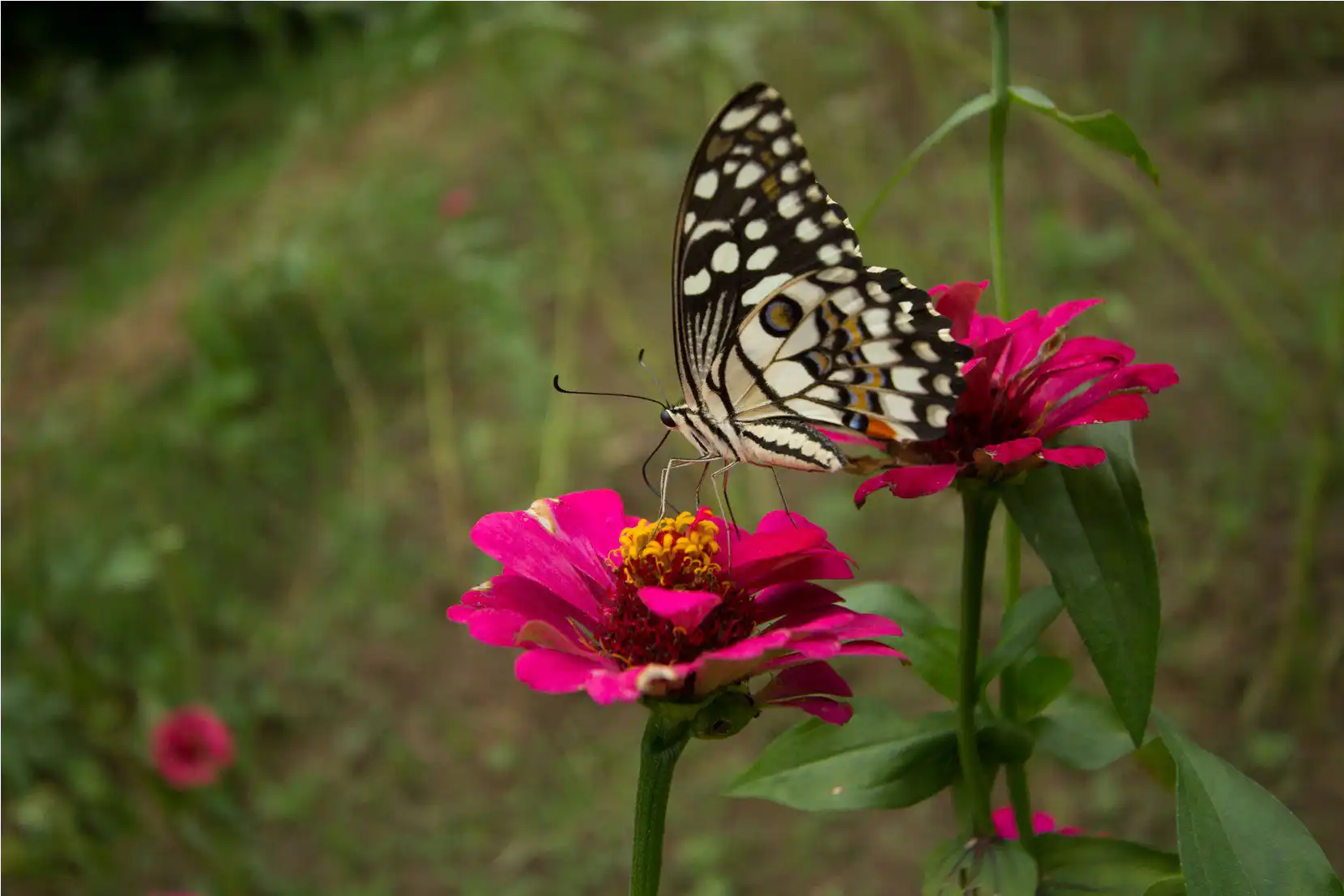
These birds are skilled aerial hunters, gliding and darting through dense canopies to catch flying insects mid-air, such as grasshoppers, beetles, moths and butterflies.
Frequently Asked Questions
1. Do both the male and female Indian Paradise Flycatcher look the same?
2. When is the breeding season for the Indian Paradise Flycatcher?
3. Are they migratory?
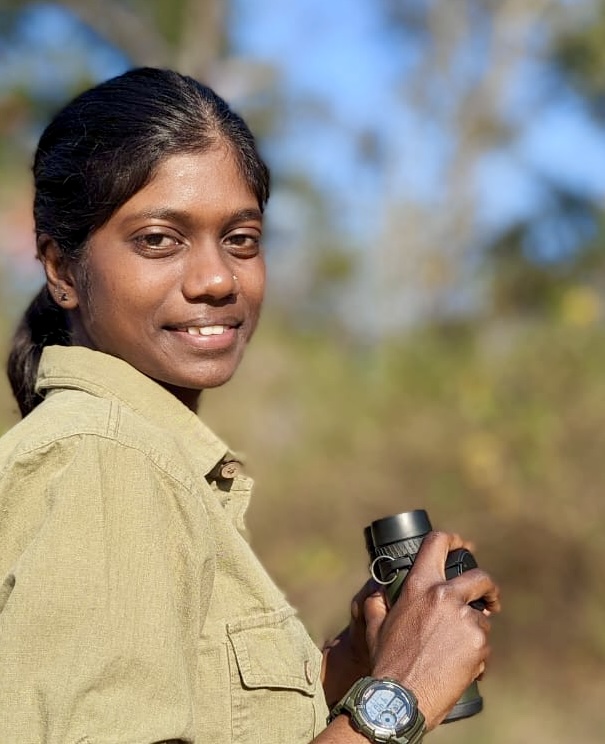
Deepa Rakshana, Naturalist at Kanha Earth Lodge, Pugdundee Safaris – An architecture graduate from Chennai, who decided to follow her passion and pursue her dream career dedicated to the wild. After completing the Pronat training program, she began her professional journey in Pench and now currently working as a naturalist in Kanha. She is passionate about connecting people with wildlife and creating meaningful experiences in nature. For her, every day in the jungle is unique, filled with surprises, unforgettable encounters, and magical moments that make her work both exciting and deeply rewarding.