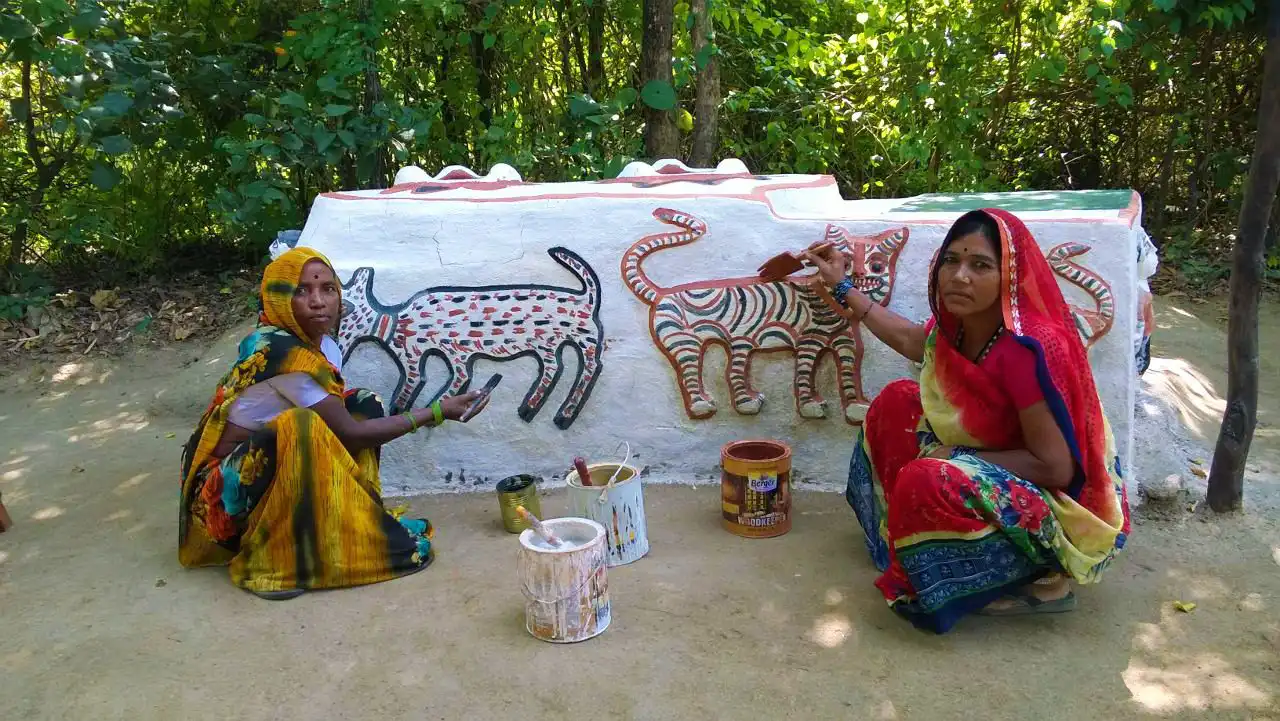
“Tadoba” is the name of god “Taru“, worshipped by the tribals who live in the dense forests of the tiger reserve close to tadoba lake, while “Andhari” means the Andhari River that flows through the forest. Taru was a village chief who was killed in a mythological fight with a tiger. Taru was deified and a shrine dedicated to Taru now exists beneath a large tree near Tadoba Lake.

The temple is frequently visited by tribals, specially during the fair held in the Hindu month of Pausha (December–January).
Tadoba, one of the finest Tiger Reserves in India under Project Tiger. TATR (Tadoba Andhari Tiger Reserve) provides a habitat to a varied flora and fauna and is seen as a breeding ground for tigers, which then disperse to the surrounding protected areas.
Flora and Fauna of Tadoba Andhari Tiger Reserve
Prominent tree species include Ain, Arjun, Bhera, Dhawada, Mahua, Salai, Tendu etc. Majority of TATR’s bamboo (Dendrocalamus strictus) is a species which plays an important role in the life cycle of the park. It is the keystone species in the reserve. In the absence of huge meadows, bamboo forms an important food source for the herbivores in the forest. Bamboo flowers every 40 years in TATR .
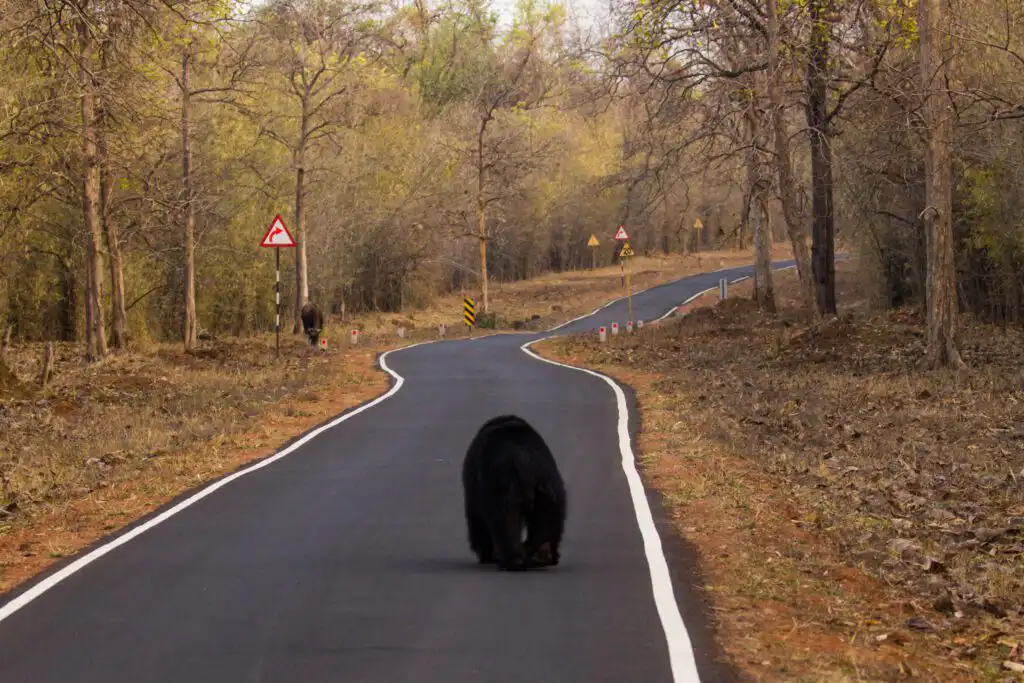
TATR has a rich diversity of fauna – a total of 62 species of mammals, over 250 species of birds, 174 species of butterflies and around 34 species of reptiles.
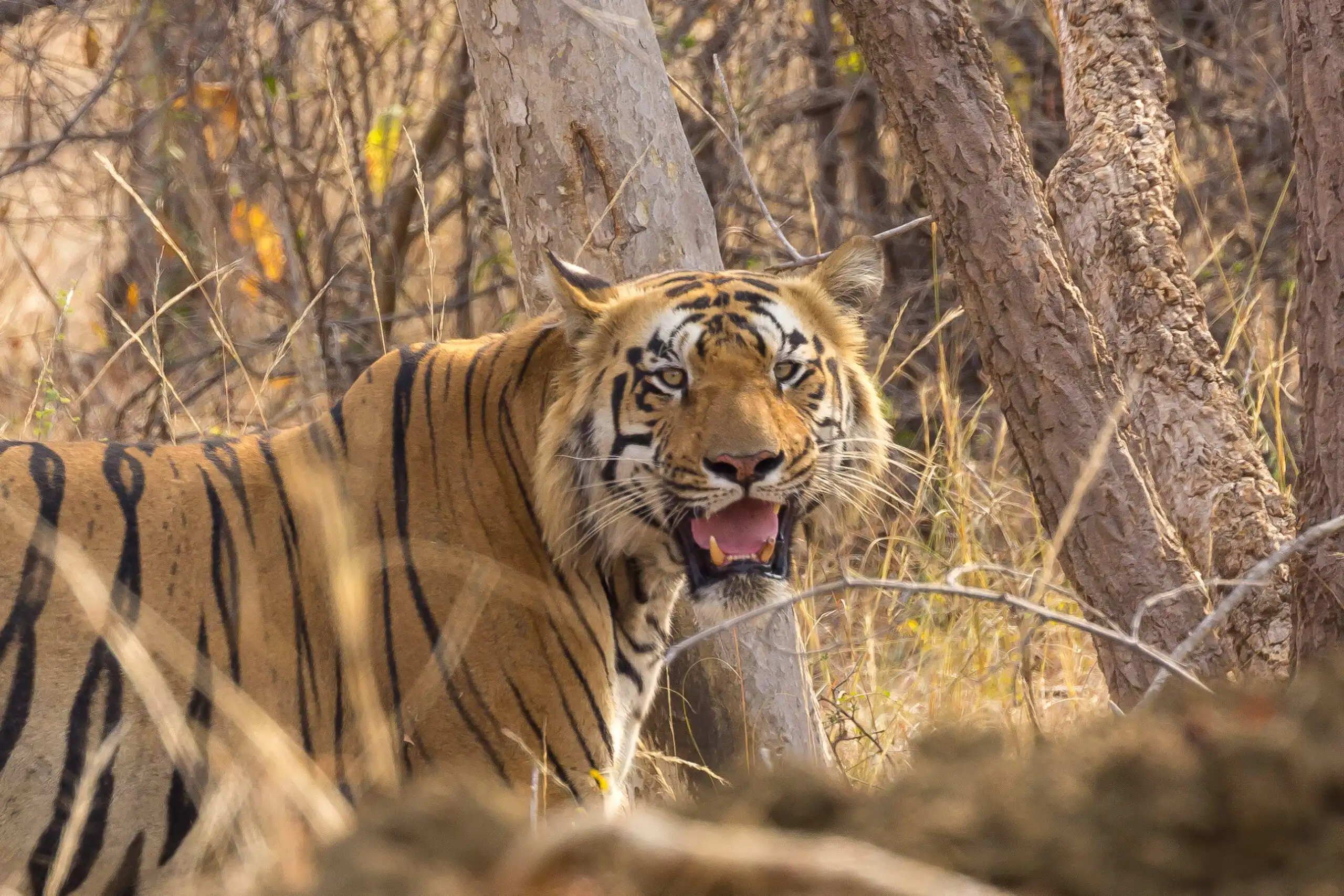
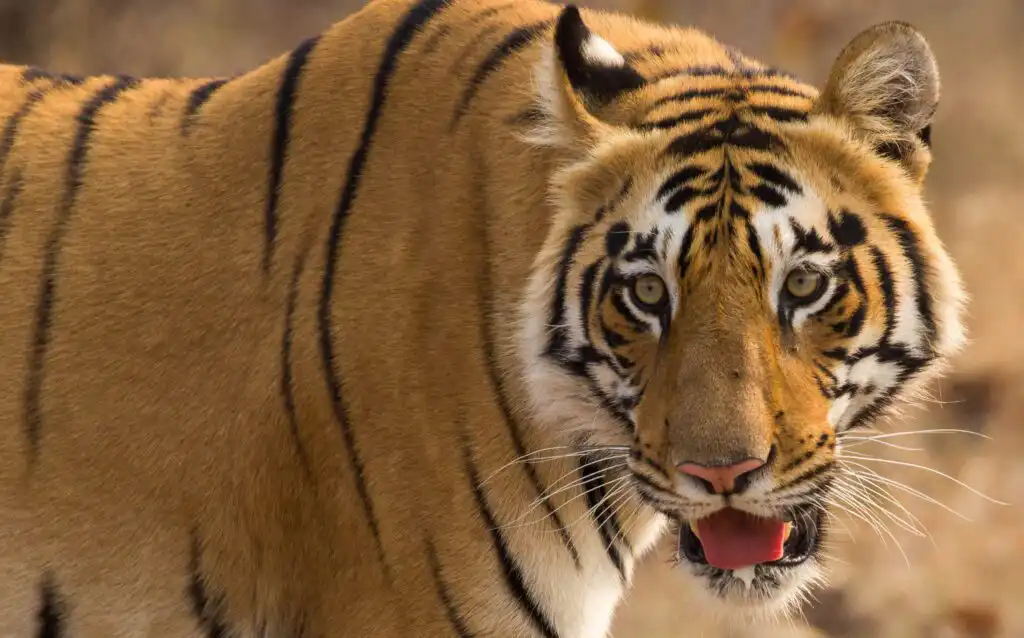
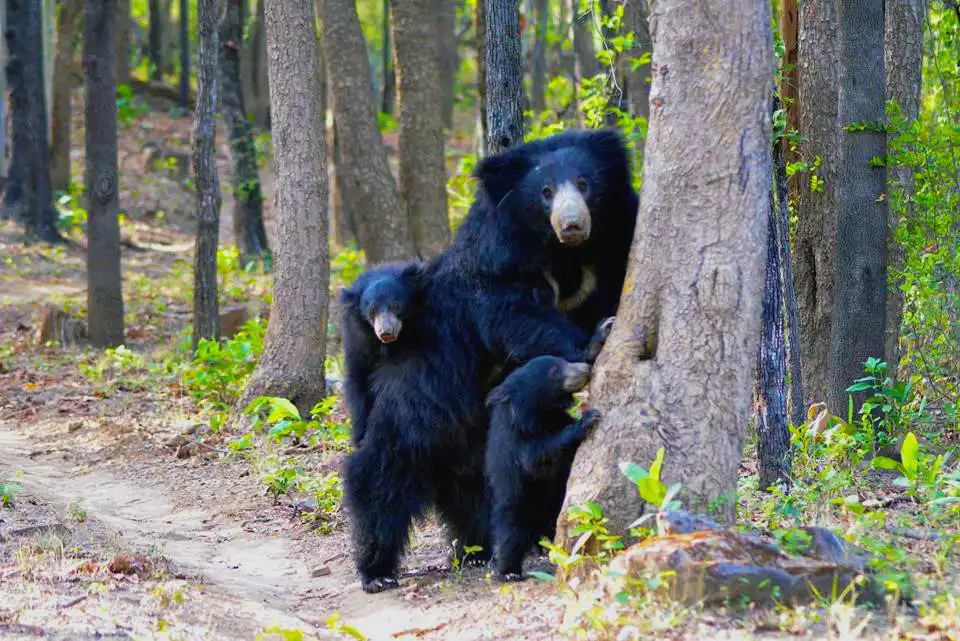
TATR is known for the large population of tigers that it supports. However, the forest is home to several other species than tigers such as leopard, wild dog, gaur, sambar, spotted deer, chausingha, sloth bear, honey badger, rusty-spotted cat etc.
Landscape Characteristics and Climate
The northern part of a reserve is hilly, interspersed with woodlands and grasslands. Andhari, Bhanuskhindi and Hirdi zones originate from these areas. Tadoba Lake is the park’s perennial water body. It is the prime source of water and is also home to marsh crocodiles.

With a strong prey base and water availability, Tadoba today has established itself as a rich source of population area for big cats. Being connected to tiger forests from all sides, many of Tadoba tigers have migrated to neighbouring sanctuaries and even states.
Landmark Dates at Tadoba
- 1905 – Tadoba closed as shooting block for tigers except special permission.
- 1931 – Closed for shooting of all animals.
- 1935 – 45 sq. miles around Tadoba lake constituted as a sanctuary for all animals except wild boar.
- 1935-1942 – Increase in prey base.
- 1942 – Area converted as game reserve. Permits given for hunting tigers in some areas.
- 1955 – Area of 116.55 sq km declared as Tadoba National Park on 9 April, 1955.
- 1972 – Two villages Khatoda and Pandharpauni relocated.
- 1973-1974 – Hunting totally banned.
- 1986 – Area of 508.85 sq. km declared as Andhari Wildlife Sanctuary on 25 February, 1986.
- 2010 – Buffer area of Tadoba declared on 5 May, 2010.
- 2014 – Core and buffer 1101.77 sq. km brought under unified control of Field Director on 13 June, 2014.
(Credits: The above data is sourced from mytadoba.org)

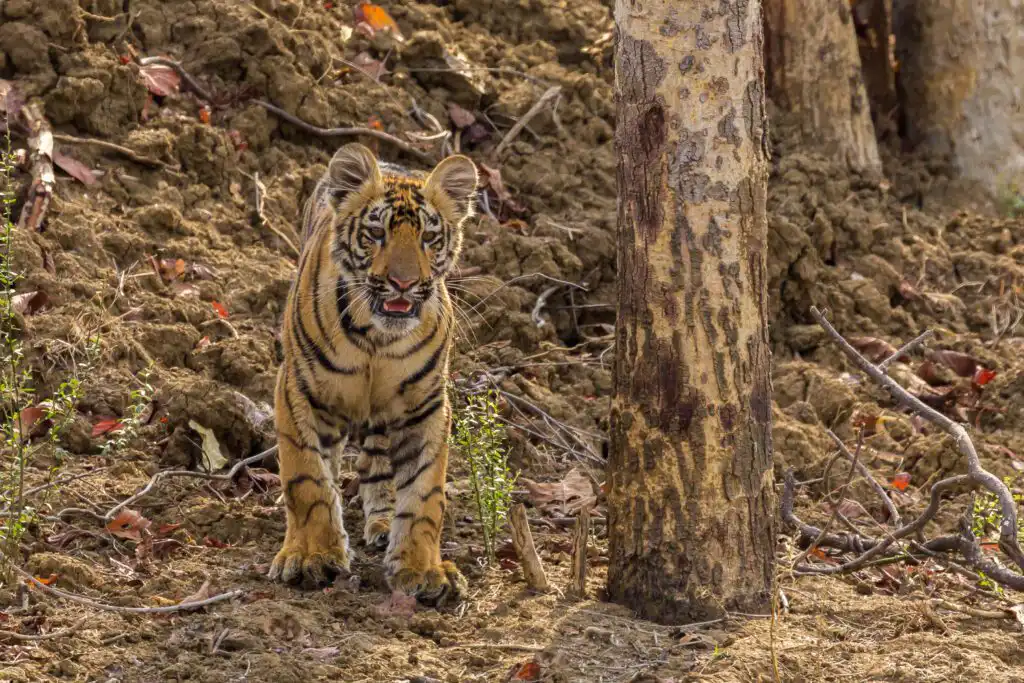
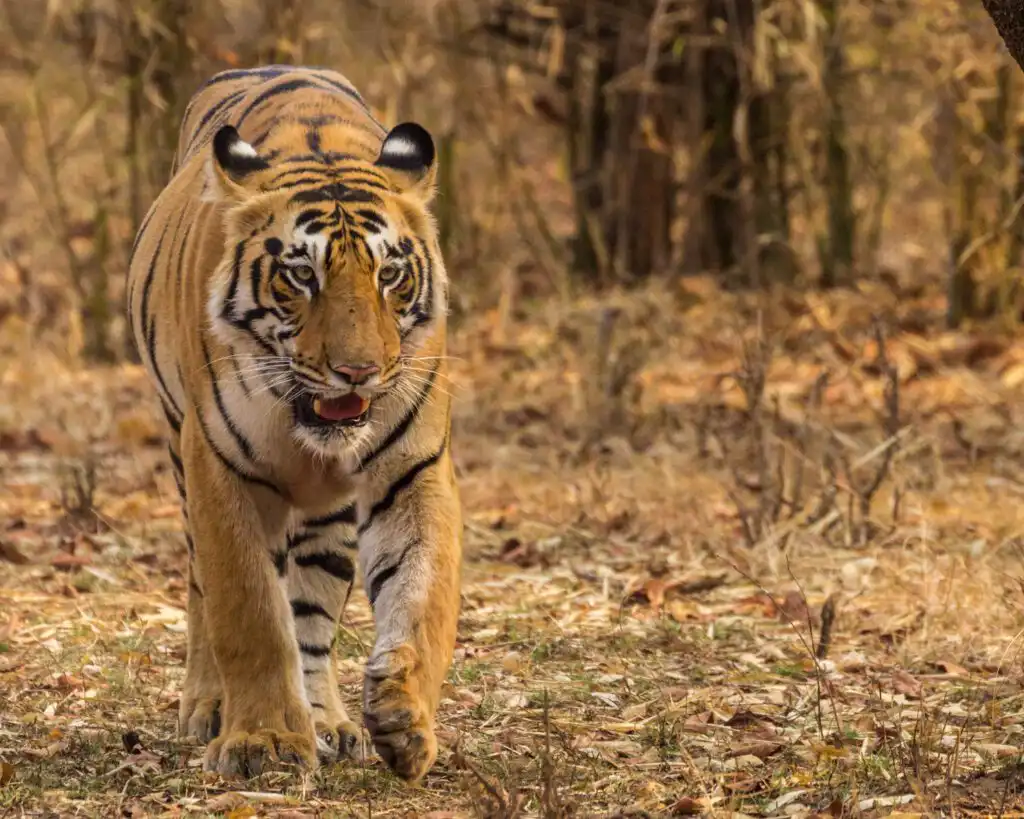
Can you see the tiger?
Zones and Gates of Tadoba National Park
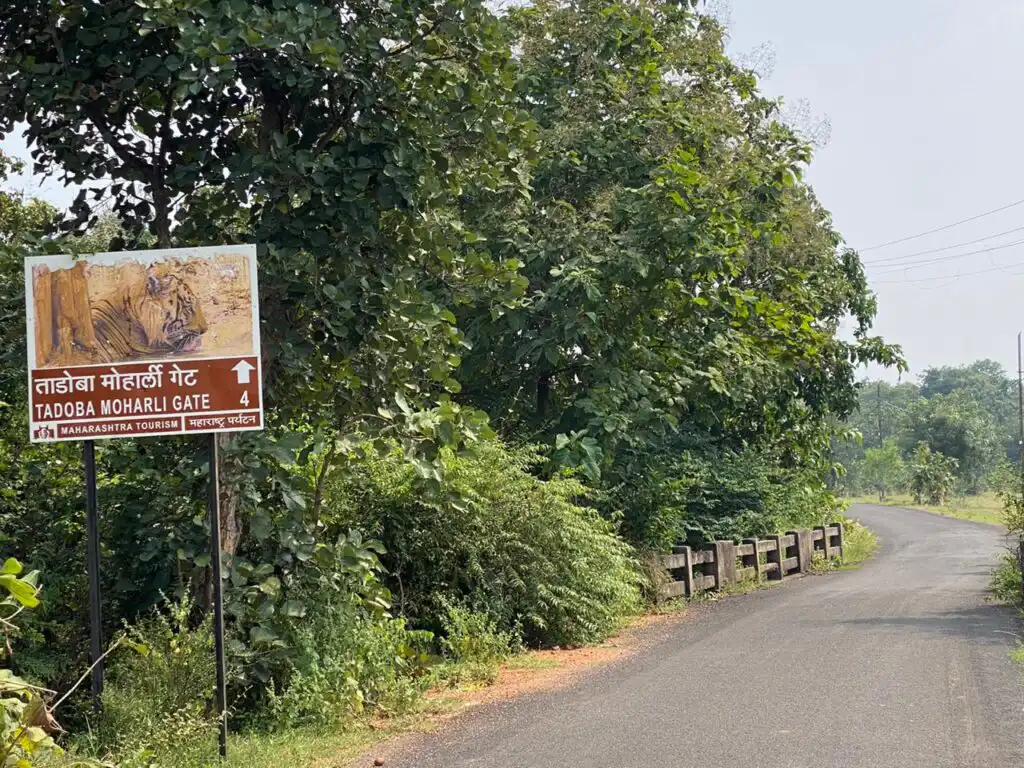
Being a widely spread jungle, forest department have narrowed down the area into 3 different ranges i.e. Tadoba, Moharli, and Kolsa which include core areas and buffer areas.
- Moharli zone
- Core gate – Moharli, Khutwanda
- Buffer gates – Devada, Adegao, Agarzari, Junona
2. Kolara zone
- Core gate – Kolara
- Buffer gates – Alizanza, Madnapur, Sirkheda, Kolara Chauradeo, Palasgao
3. Navegao zone
- Core gate – Navegao
- Buffer gates – Navegao Ramdegi, Nimdela
4. Pangadi and Zari zone
- Core gate – Pangadi, Zari
- Buffer gates – Pangadi Aswalchua, Keslaghat, Mamla, Zari Peth
There are night safaris from 7 P.M. to 10 P.M. from these gates:
- Kolara zone – Palasgao
- Moharli zone – Junona
For more details head to this link: https://booking.mytadoba.org/

Tadoba being one of the most tiger-centric national parks, offers a bunch of activities for all nature lovers seeking something different, yet pleasing during their stay. It offers tiger safari, Night Safari, Boating, Cycling, Nature Walk, Birding and TreeHouse Stay.
Pugdundee Safaris is all set to open it’s doors to our new, eco-luxe lodge, Waghoba Eco Lodge in Tadoba in 2021. Watch out for this space for more information.
Written By: Mayuresh Joshi, Naturalist at Kings Lodge.

Pugdundee Safaris is recognized as one of India’s leading responsible safari companies. With seven intimate jungle lodges in Central India and many bespoke wilderness experiences it presents the very best of the Indian subcontinent wildlife & hospitality. Between 2009 and 2026, we have been awarded for our excellence in wildlife safaris, our commitment to sustainability, our experienced naturalists and our pioneering mobile safari initiative. Pugdundee is a Hindi word meaning a foot trail commonly used by humans and animals, this word is popularly used for such beaten paths in the Indian jungles. We continuously strive to deliver the best possible guest experience, while still integrating the conservation of jungles and the people living around. We are motivated by the hope of reaching out to people in the remotest areas of our country, as we believe that they are the front-runners of wildlife conservation. However, maybe just a drop in the ocean we consider that we are making a significant contribution to wildlife conservation and rural economy wherever our lodges are.