TEN OF NATURE’S INTERESTING ANIMAL DEFENCE MECHANISM
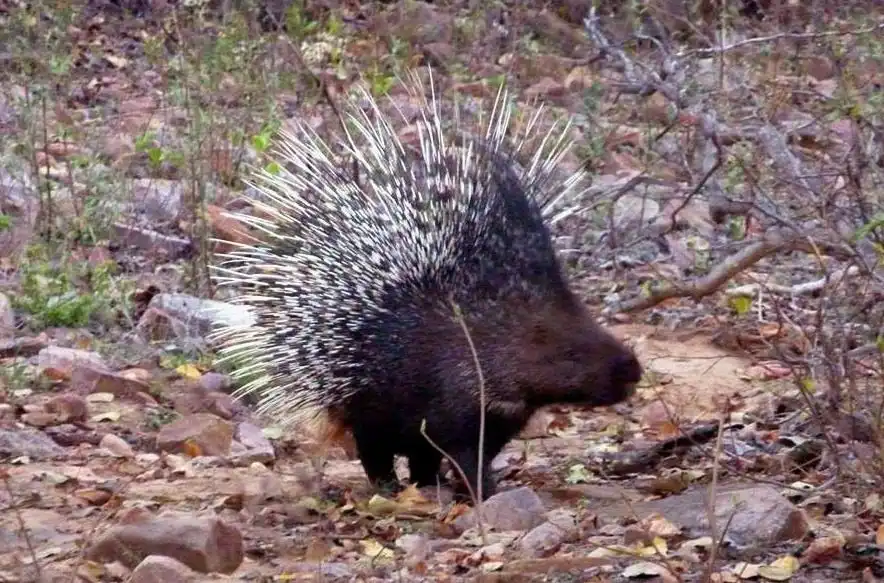
1. Spines & Thorns
Animals like porcupines and hedgehogs have spines on their body to protect them from predators. Some plants like rose develop thorns on their stem to avoid getting eaten. Even the young Red Silk Cotton tree has thorns on its bark.
2. Liquid Secretions
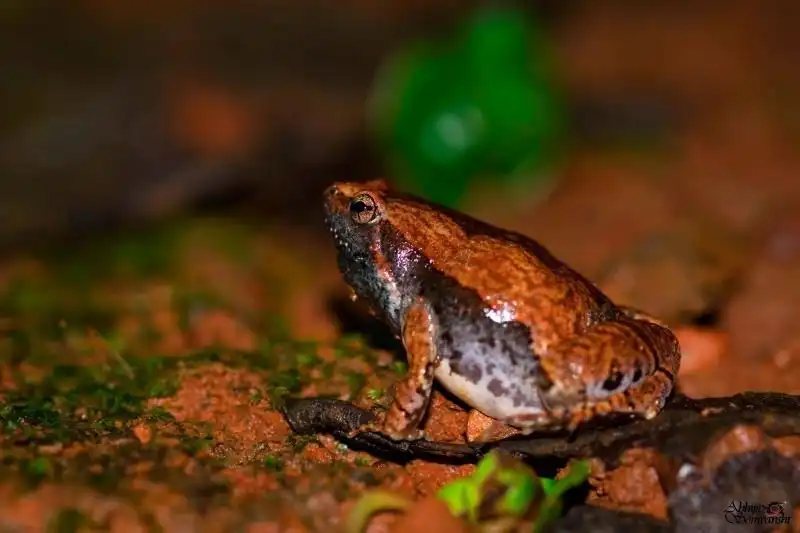
When we see gum or latex oozing out from the damaged parts of tree, it is actually the defence mechanism of the tree to protect itself from further damage and avoid microbial infections. In Spitting bugs, the bug secretes spit around its body, to save itself from predators and also from heat. A beetle known as Blister beetle secretes a liquid from its gland, which may cause blisters on the skin. Toads have paratoid glands which secrete a liquid which is distasteful, when caught by a predator.
Some animals also spray liquids from their body that could be either a urine spray or a blood spray. For example, when a predator tries to chase a frog, the frog ejects a urine spray on the predator, confusing the predators thereby giving the frog time to escape. A lizard known as Short Horned lizard sprays blood from its eyes, as an escape mechanism from its predators.
3. Shape
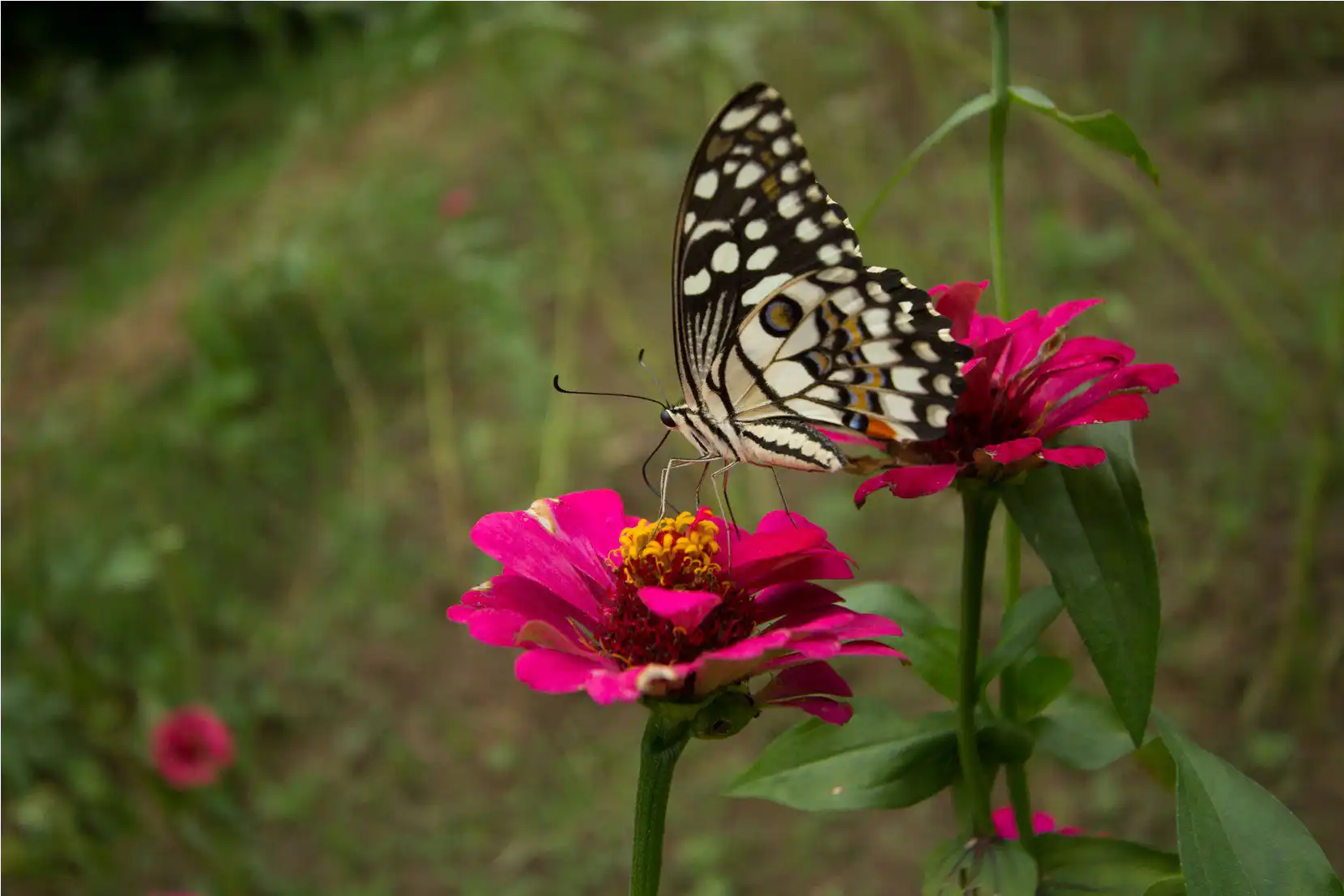
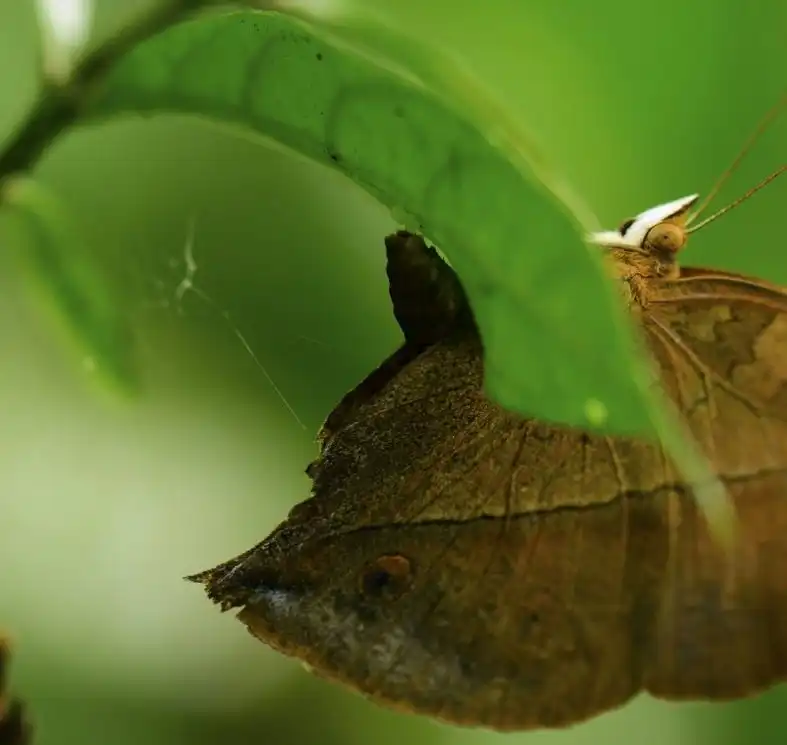
Shapes also work as defence mechanisms, for example the Oak leaf butterfly which looks similar to a dried plant leaf, perfectly matches with it’s surroundings thereby makes it hard to spot by the predators. Also a stick insect looks exactly like a stick or a twig, therefore helping it hide in its surroundings. Caterpillars of Mormon butterfly resemble like a bird dropping in their early instars, and later after moulting resemble a snake, thus confusing the predator.
4. Colours & Camouflage
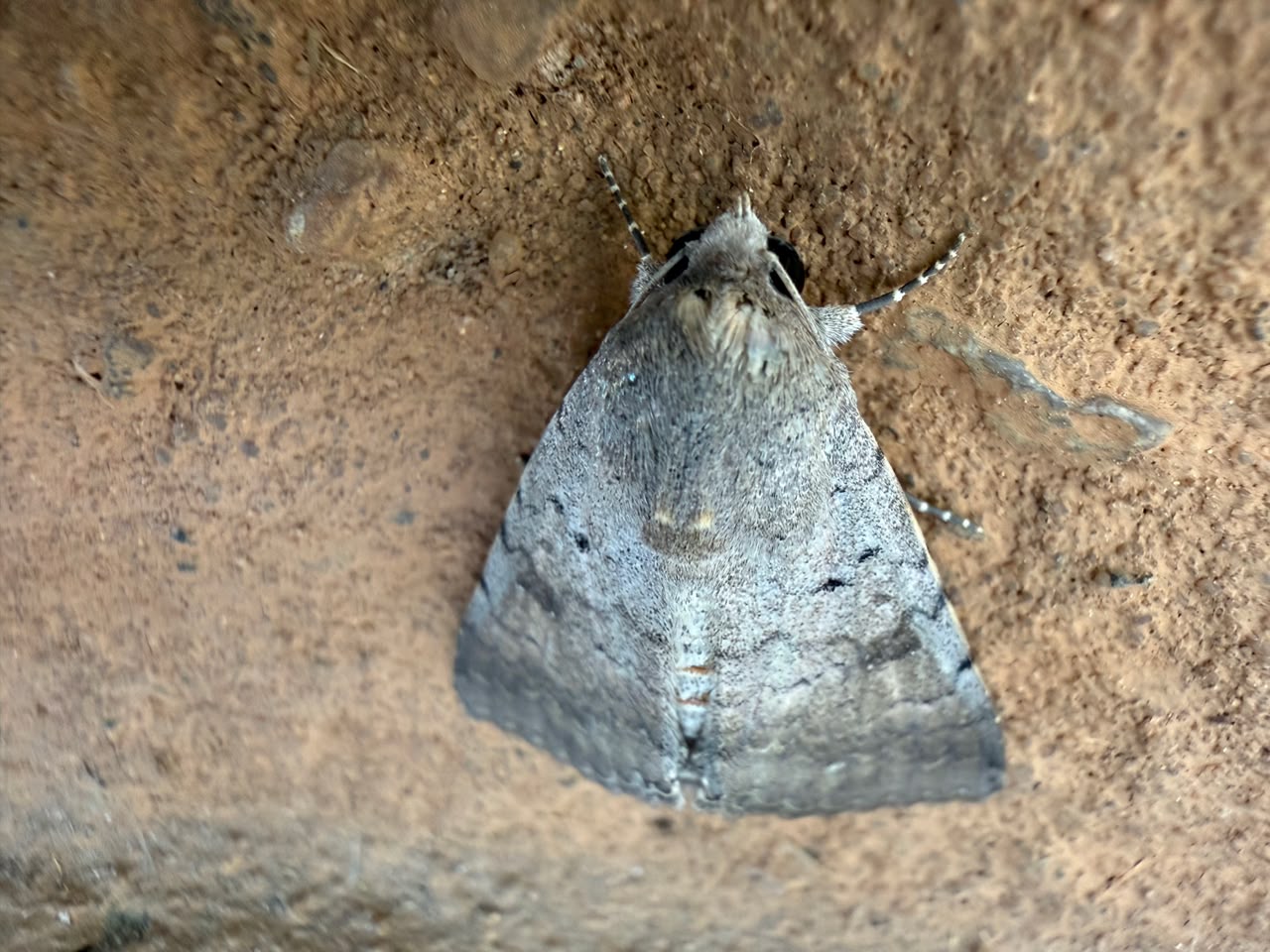
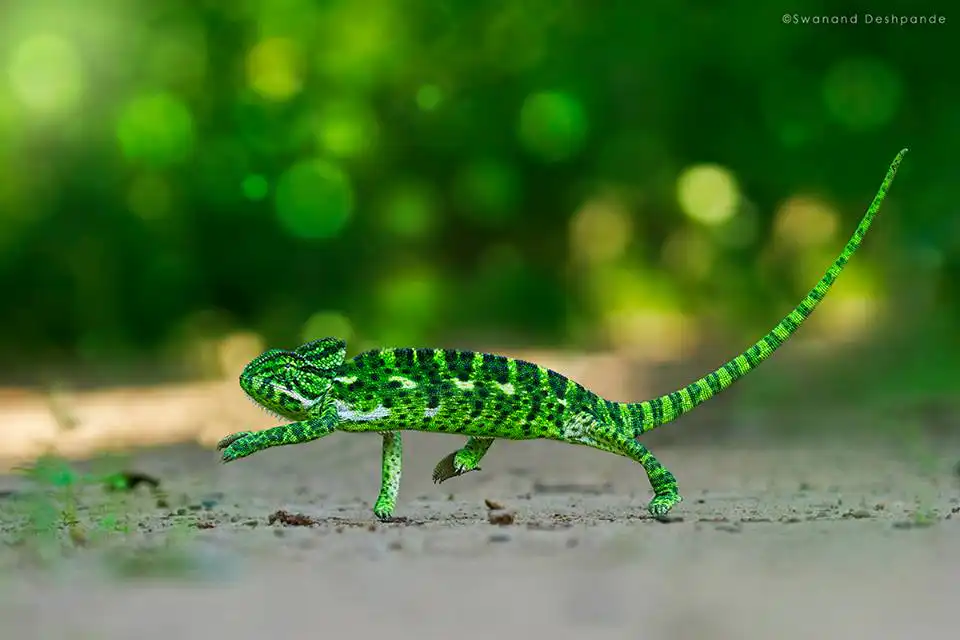
Colours play an important role in defence mechanism, for instance octopus and chameleon can change there colours according to their surroundings. Also, there are a few brightly coloured animals like some frogs in Brazil which displays the reddish, purplish, yellowish colouration which are indicative of a warning to others. To name few among many species; Nightjars (birds) and bark geckos are so good at camouflaging, that they are not easy to spot. Tree snakes are usually of the same colour as leaves and branches, for e.g. pit vipers, bronzeback tree snakes and wine snakes. Thus, camouflaging plays a key role in protecting the animals from their predators, proving to be an excellent survival mechanism.
5. Shield as Defence
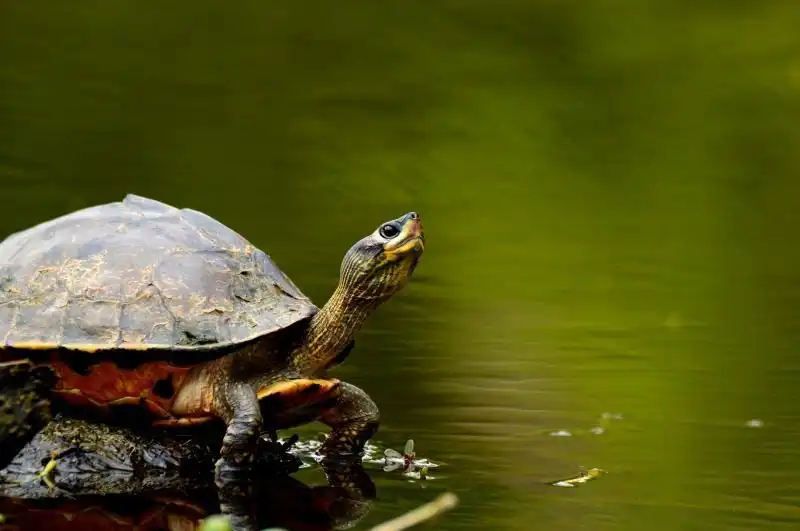
Shields are bony structures or plates on the body of the animal that work as defence mechanisms. It can be developed on its own or can be foreign material too. Pangolins have plates on their body, which constitutes a protein known as keratin. It is hard and when they feel threatened, they roll themselves hiding their head and tail inside these plates. Even tortoise & turtles have a bony shell on their body to protect themselves. Hermit crabs retract into shells for safety. They don’t have their own shells, but they enter empty shells and carry the shells on their back. Also, a moth’s caterpillar known as Bag worm hides inside the safety of tiny twigs. Assassin bug collects dead ants or debris on its body, to save itself from jumping spiders.
6. Gaseous secretions
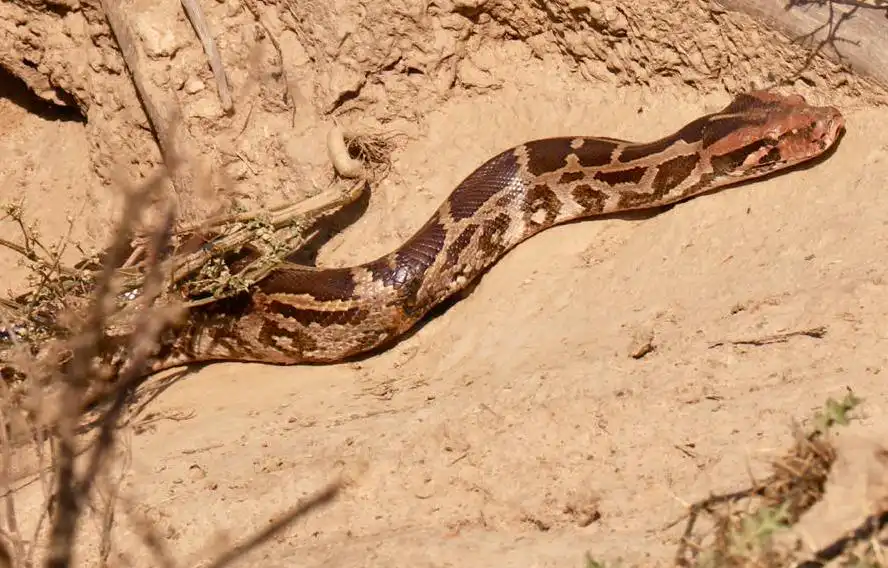
Scent glands are also used as defence mechanism emitting very pungent and bad smell, thus forcing the predators to run. For example pythons can emit a pungent smell and defecate, badgers and ferrets may emit fowl smells too.
7. Detaching of body parts
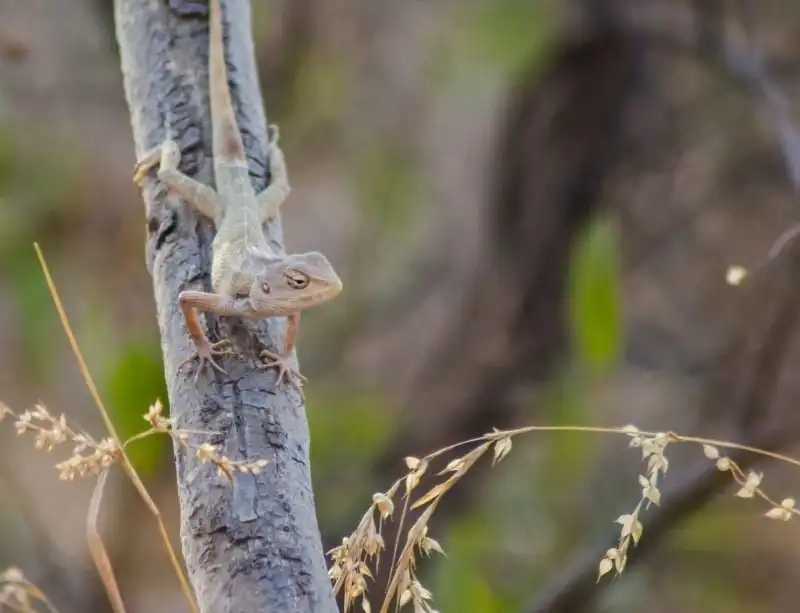
When a lizard breaks its tail, the predator may focus on the tail and hence the lizard manages to escape. Also the salamanders can detach their limbs, growing new ones later.
8. Majority
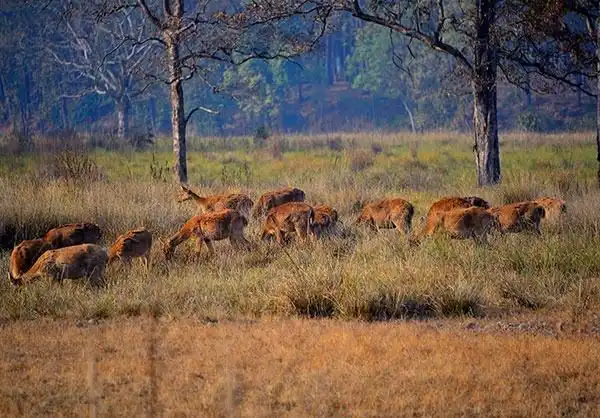
Some animals use majority as a key for survival. A herd of spotted deer has more eyes and heads to keep vigilance against predators. Even zebras and wild beasts in Africa use the same techniques. The hatchlings of Olive Ridley turtles hatch at approximately the same time, thereby thousands of them escape into the sea together. Even crocodiles lay many eggs together, which helps increase their rate of survival as a species.
9. Size
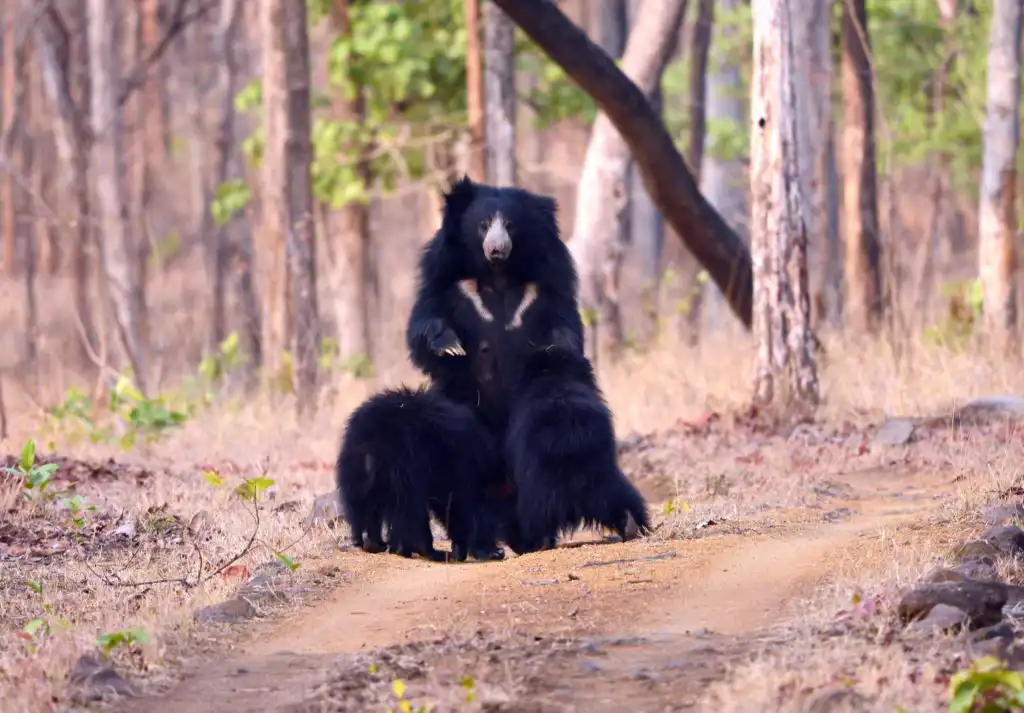
Some animals such as Puffer fish inflate their body in a bid to scare away their predator, and also making it tough for the predator to swallow them. Also, some species of frogs use the same technique. Sloth bears stand on their hind legs so that they look more bigger in front of a tiger.
10. Mimicry
Many butterflies mimic species of other butterflies which are distasteful. For instance the female of Danaid egg fly, mimics the plain tiger butterfly. This can even be seen in the same animal, like the end of the tail looks the same as the head in Red Sand Boa.
This is a comprehensive list of how nature deals with threats, and builds upon a defence mechanism meant to out-surpass and out-wit the predators at work. There are innumerable fascinating examples that nature works hand in hand with. This is our humble effort to list a few relevant ones.
Edited by Natasha Sinha

Pugdundee Safaris is recognized as one of India’s leading responsible safari companies. With seven intimate jungle lodges in Central India and many bespoke wilderness experiences it presents the very best of the Indian subcontinent wildlife & hospitality. Between 2009 and 2026, we have been awarded for our excellence in wildlife safaris, our commitment to sustainability, our experienced naturalists and our pioneering mobile safari initiative. Pugdundee is a Hindi word meaning a foot trail commonly used by humans and animals, this word is popularly used for such beaten paths in the Indian jungles. We continuously strive to deliver the best possible guest experience, while still integrating the conservation of jungles and the people living around. We are motivated by the hope of reaching out to people in the remotest areas of our country, as we believe that they are the front-runners of wildlife conservation. However, maybe just a drop in the ocean we consider that we are making a significant contribution to wildlife conservation and rural economy wherever our lodges are.