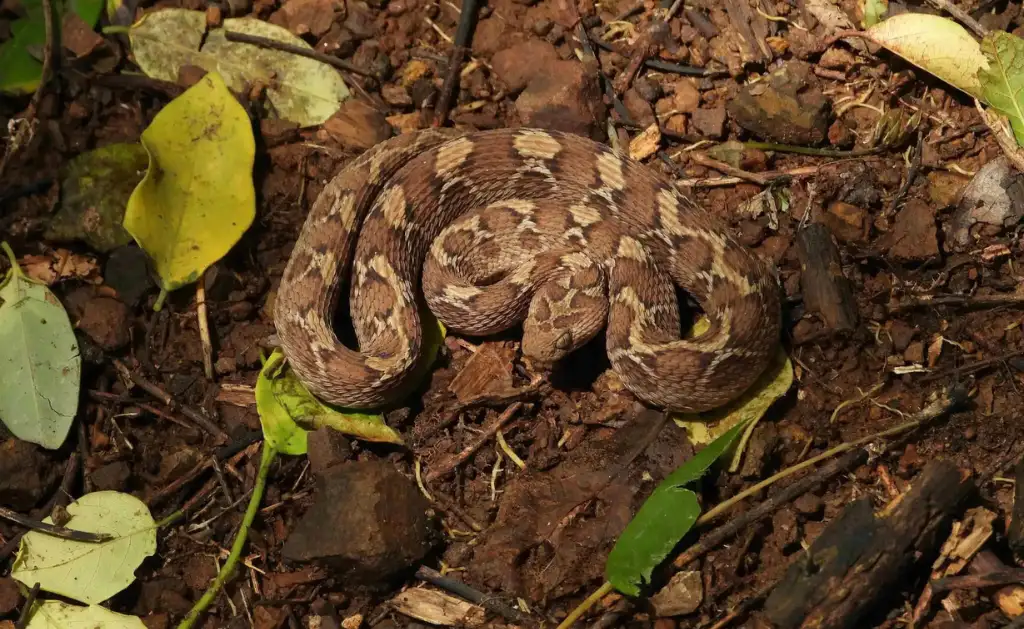
Are snakes poisonous or venomous? What is the difference?
People often get confused between the terms poison and venom, but is there a difference between these words?
Poison and venom are both toxins that could be harmful to humans, but the way they enter inside us is what makes them different from each other.
In the context of animal’s poison is a toxin which is secreted or stored inside the body of the animal, it usually harms you when you ingest, consume or touch the animal, example: Poison dart frogs secretes poison from its skin which is derived from its diet like centipedes, ants and mites.
Venom is a toxin which is produced inside the body of the animal which is delivered through a part of the body such as fangs, stingers often seen in snakes, wasps, jellyfish etc, where the toxin is directly delivered inside the blood stream, unlike poison where it is an indirect process.
Why are snakes Venomous?
It’s a common misconception that all snakes are venomous are dangerous , it is far from the truth, only a handful number of snakes are venomous, even in these handful small number not all snakes are lethal to humans, venom is a not a killing weapon, all the snakes evolved to develop venom is majorly to help them in hunting, by immobilizing prey, to help in digestion and sometimes to defend themselves as well, this is a biological advantage that has evolved over millions of years allowing them to be experts in predation and critical components of their ecosystem.
Why are we scared of snakes?
The fear of snakes is very deeply ingrained in the roots of human evolution, psychology, and biology, the most accepted explanation for this fear lies in evolutionary psychology.
Humans like many primates have developed an intense awareness of their surrounding for potential threats, the early humans who could quickly identify and react to presence of snakes had a survival advantage, this trait passed down through generations creating an ingrained part of human instinct, it was also studied that humans and primates had developed special neural pathways to quickly detect snakes, while there was a biological reasoning, the cultural influence also built a strong foundation in shaping this instinct, as all across the globes snakes are symbolized as evil, danger or bad luck while some had a positive frame, majority of them shaped a negative perception.
Contrary to most beliefs snakes do not bite unprovoked, majority of the times snakes bite when they are stepped on, handled carelessly or by provoking them or by cornering them, hence, it is crucial to know the behaviour, habitat and ecosystem of these beings, lets focus on the top 10 venomous snakes of India and where to find them, by also understanding the basic physiology of these snakes.
Also Read: Know the Interesting Facts About Snakes In India.
Top 10 Most Venomous Snakes in India
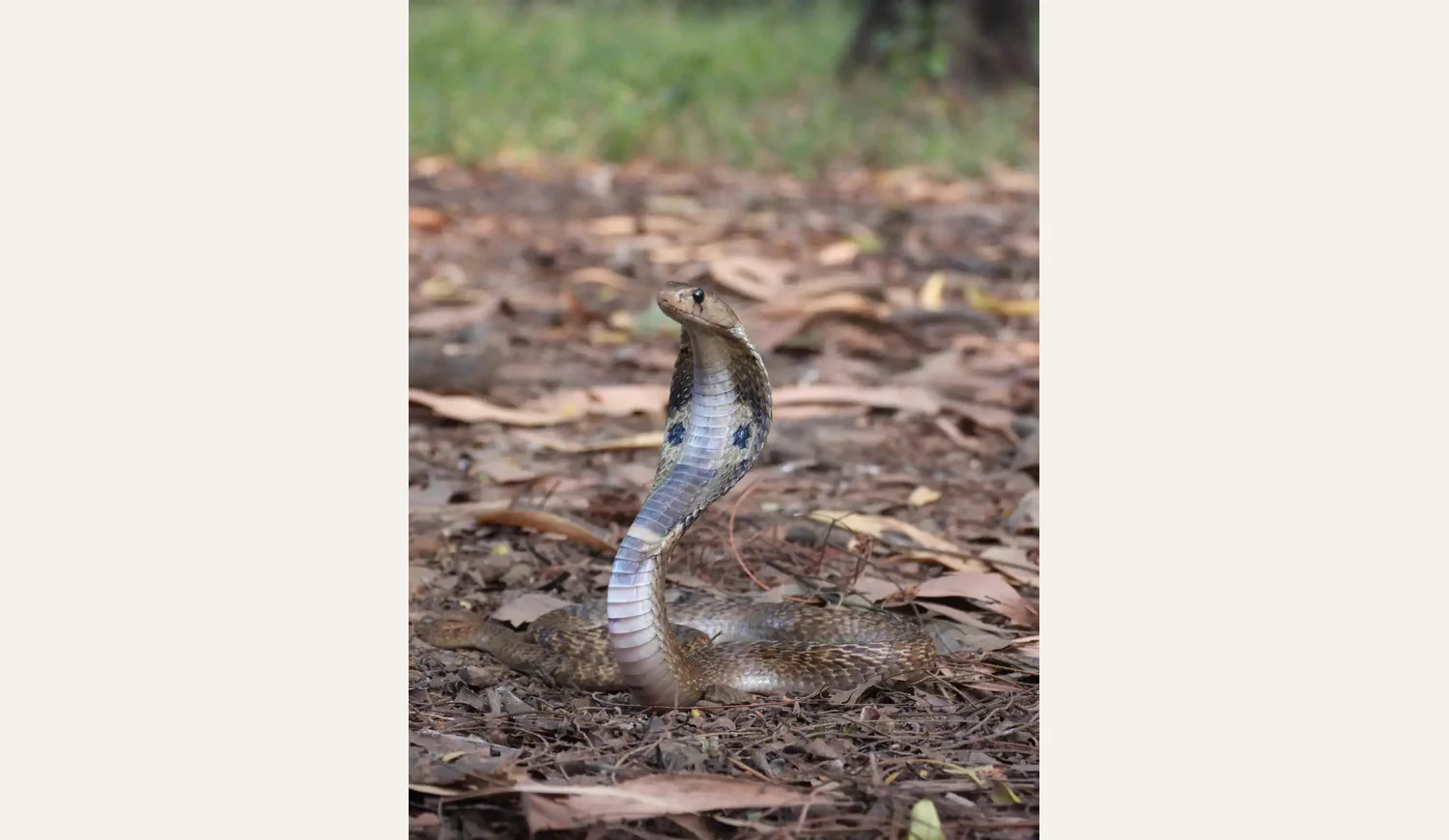
1. Indian cobra- (Naja naja)
IUCN status: Least concern
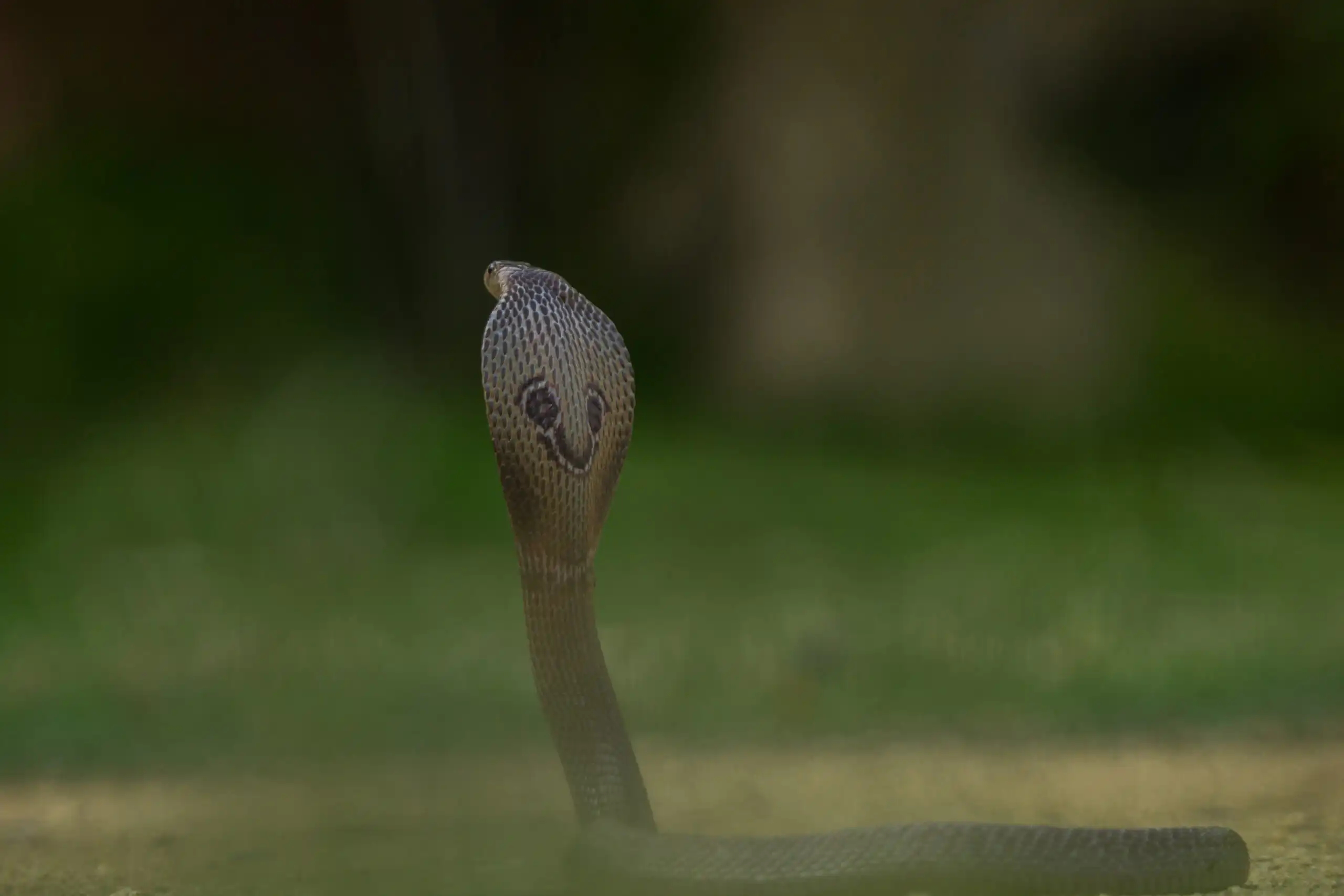
Distribution: Widespread all across India, usually found in forests, fields, and sometimes near human habitations.
Identification: Hood with distinctive spectacle mark, smooth scales, variable colours from yellowish to brownish black, depending on the habitat.
Venom: Neurotoxic-affects the nervous system
Potency: Can deliver a potentially lethal bite.
Also Read: Cobra Snake in India
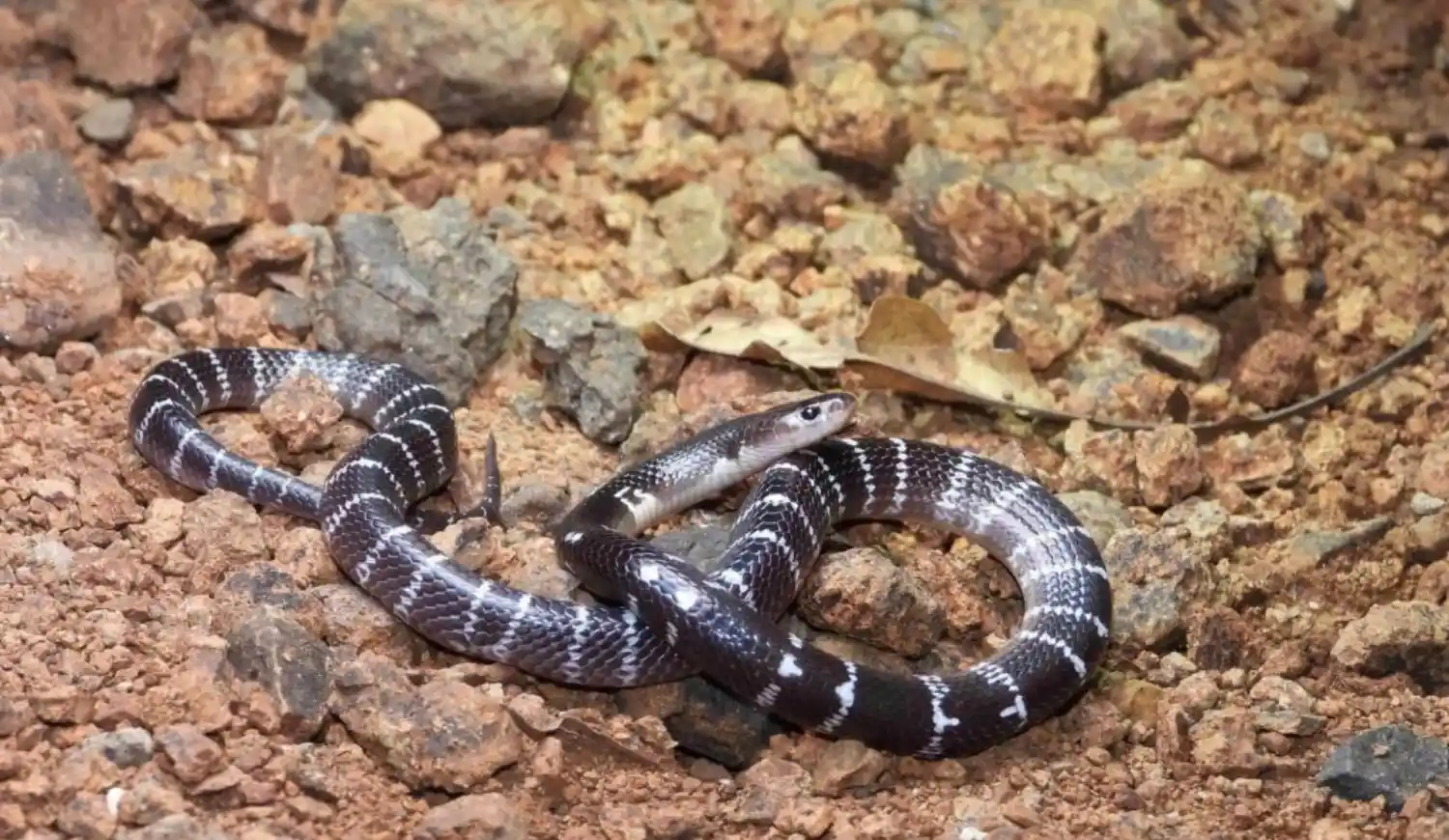
2. Common krait – Bungarus caerruleus
IUCN status: Least concern
Distribution: Peninsular and central India, along with Sub-continent of India including Srilanka.
Identification: Glossy black or bluish body, with symmetrical thin white bands, no bands on the head, hexagonal scales along the mid-ridge, round head, and slender body
Venom: Highly neurotoxic, can cause respiratory paralysis
Potency: Extremely lethal, bites often occur at night, when people are sleeping on the floor.
Habitat: Villages, paddy fields, scrublands.
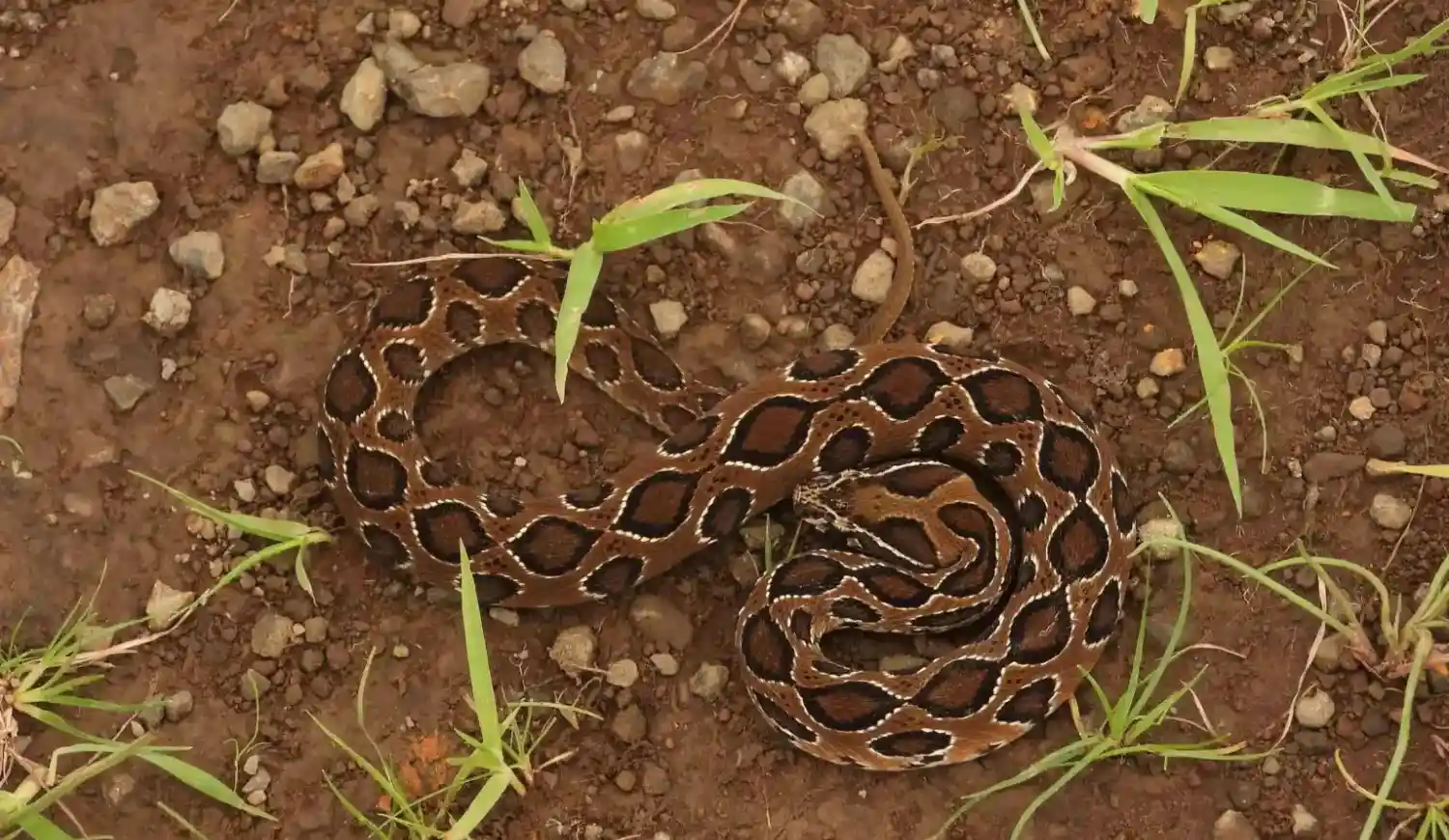
3. Russell’s viper- (Daboia russelli)
IUCN status: Least Concern
Distribution: widespread across India but rare in North East India.
Identification: Stout body with three rows of dark brown oval spots bordered with black and white
Venom type: Haemotoxic, neurotoxic- affects the blood circulatory system by destroying the blood-clotting agents.
Potency: Causes extensive tissue damage, kidney failure, a significant cause of snakebite deaths
Habitat: grasslands, farmlands, outskirts of villages.
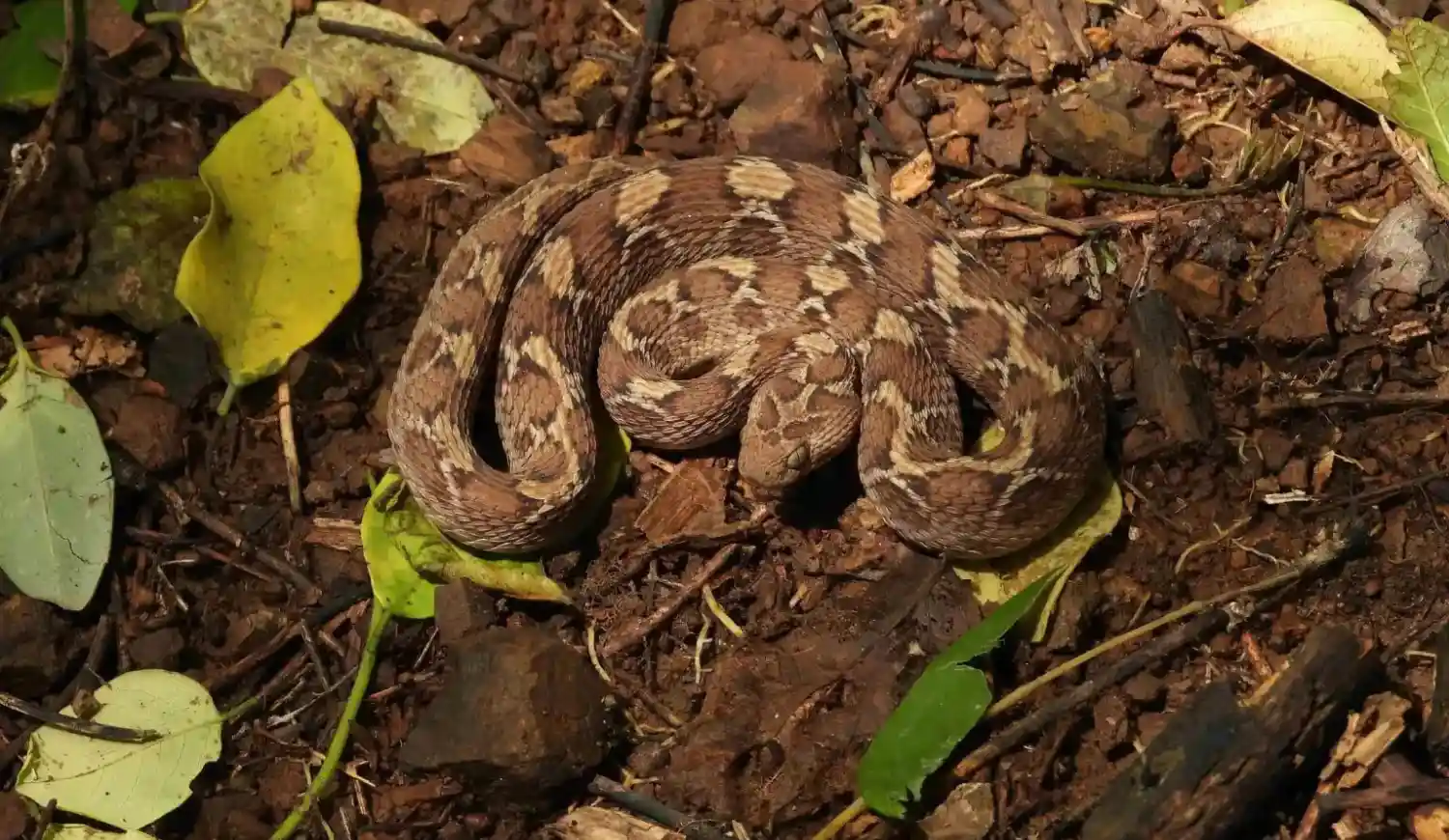
4.Saw-scaled Viper -(Echis carinatus)
IUCN Status: Least Concern
Distribution: Dry, arid regions, widespread in semi-desert, scrub areas, and rocky terrain.
Identification: Small, stocky, rough, keeled scales, distinctive ‘sizzling’ sound when threatened.
Venom Type: Hemotoxic.
Potency: Highly aggressive, responsible for numerous bites.
Habitat: Sandy soils, scrub forests, rocky outcrops.
Also Read: Top Myths About Snakes In India
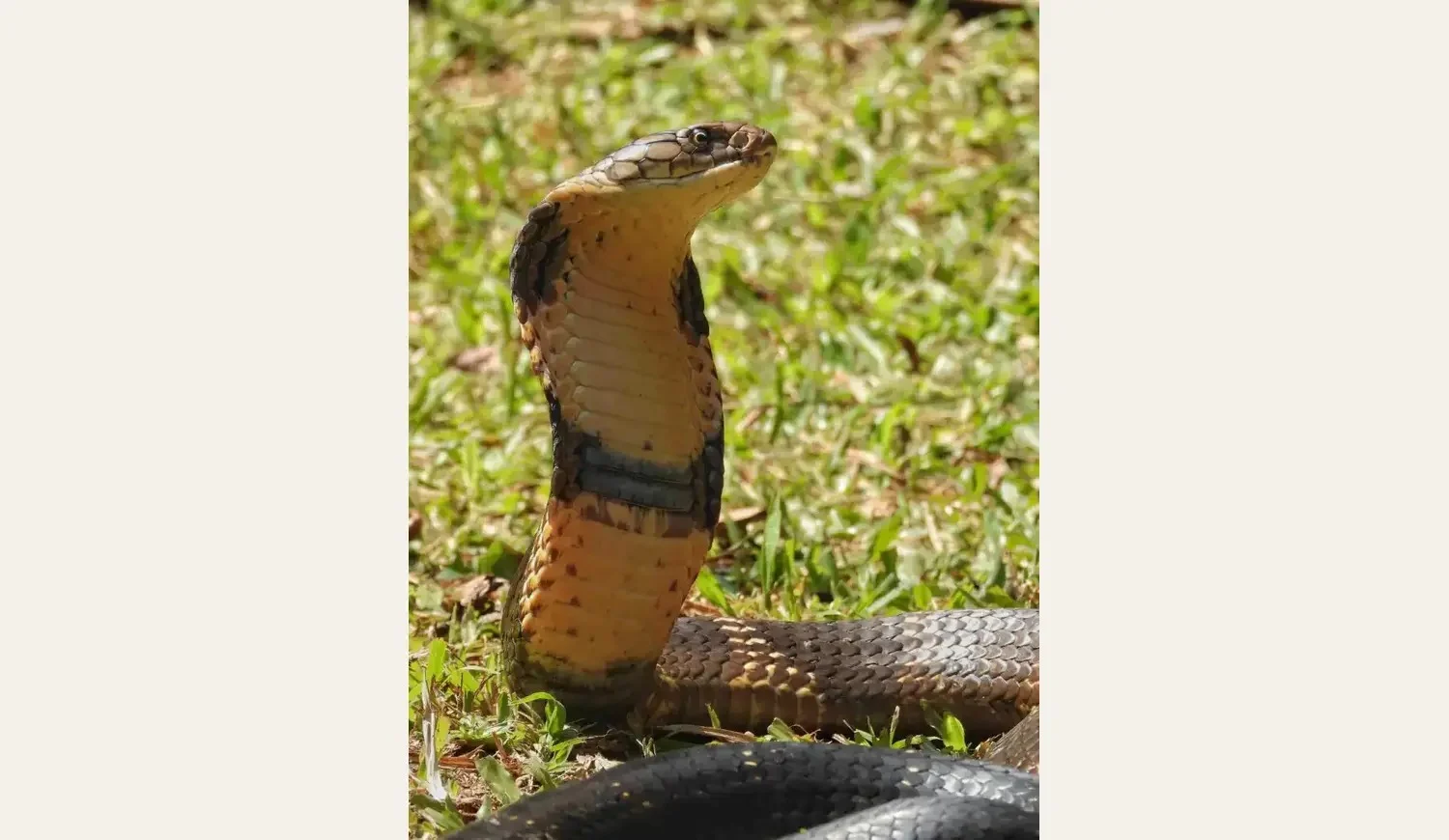
5. King Cobra (Ophiophagus hannah)
IUCN Classification: Vulnerable
Distribution: Western Ghats, sections of the Eastern Ghats, and northeastern states and Andaman – Nicobar Islands.
Identification: Olive green with pale stripes, huge hood without a spectacle mark, up to 18 feet long, the longest venomous snake in the world.
Based on 2021 publication our King has been further divided into four lineage (1) Western Ghats lineage (Ophiophagus kaalinga) (2) Indo-Chinese lineage (Ophiophagus hannah ) (3) Indo-Malayan lineage (Ophiophagus bungarus); (4) Luzon Island lineage (Ophiophagus salvatana), in the Philippine Archipelago. In India, we have two species: one endemic to the Western Ghats (Ophiophagus kaalinga) and one spread in North-East India and the Andaman and Nicobar Islands (Ophiophagus hannah)
Venom: Neurotoxic, but not as strong as a Krait, drop for drop.
Potency: An elephant can be killed by a large venom dose.
Habitat: Thick bamboo stands, dense woodlands, and areas close to bodies of water.
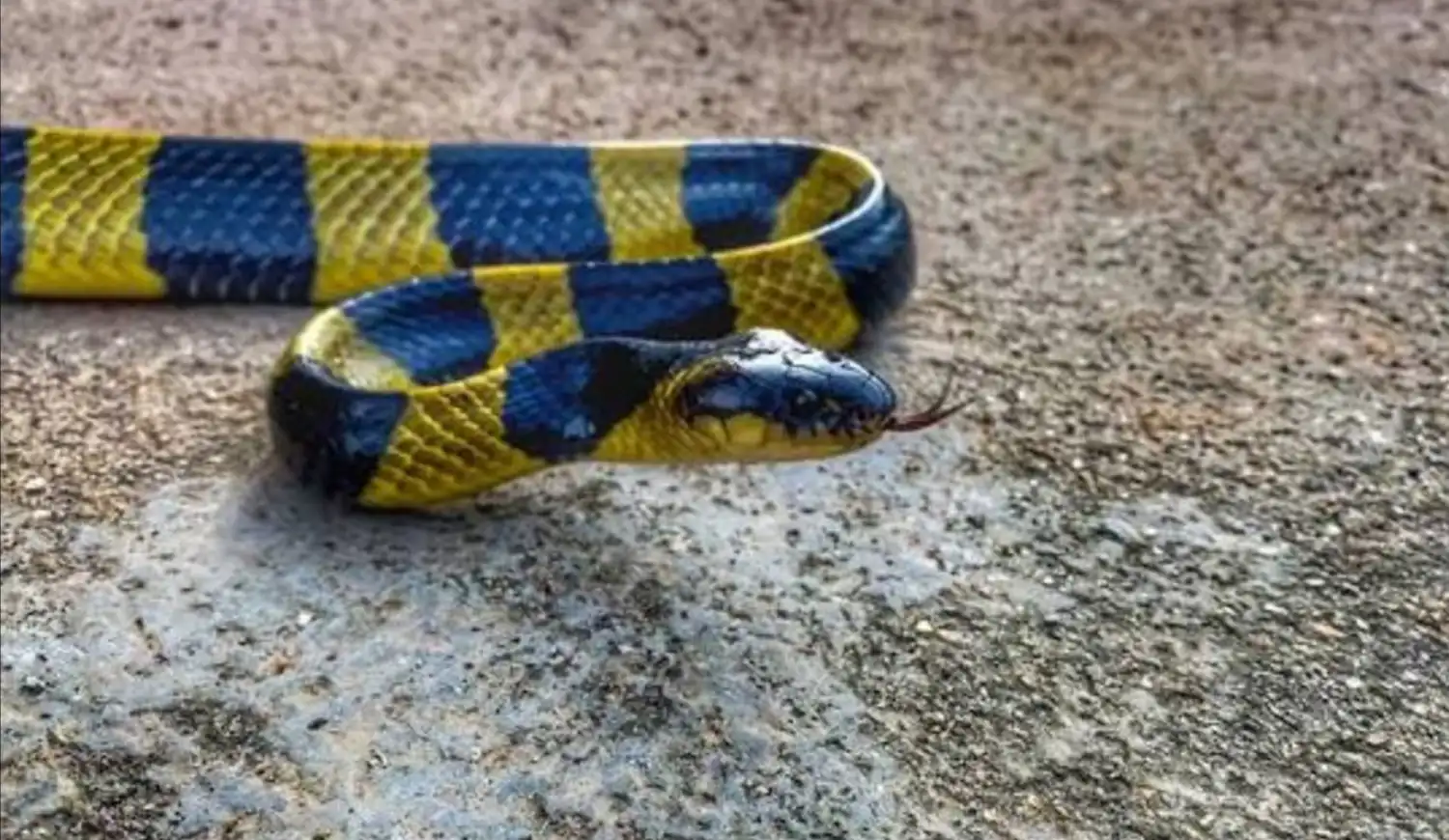
6. Banded Krait (Bungarus fasciatus)
IUCN Status: Least Concern
Distribution: Eastern Ghats, sections of Central India, and northeastern
India.
Identification: Triangular body cross-section, black body with wide yellow crossbands.
Type of Venom: Neurotoxic.
Potency: nocturnal, shy, bites infrequent but severe.
Habitat: Waterfront farms and forest borders.
Read More: Snakes of India
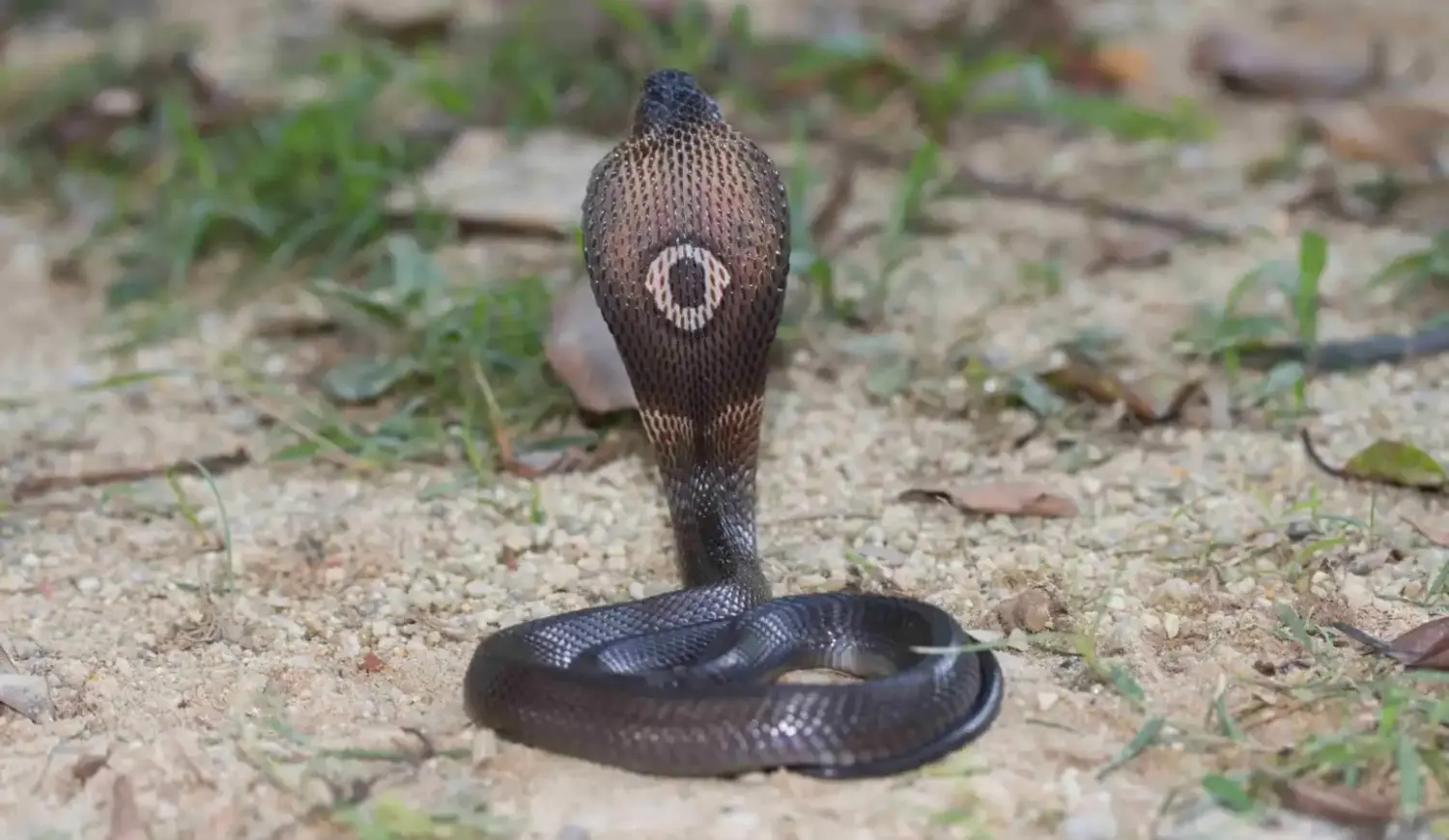
7. Monocled Cobra -(Naja kaouthia)
IUCN Status: Least Concern
Distribution: Northeast India, parts of West Bengal and Odisha.
Identification: Hood mark forms a single circular ‘monocle ’; body dark or olive.
Venom Type: Neurotoxic.
Potency: Aggressive, bites frequent in Assam, Bengal.
Habitat: Forests, wetlands, human settlements.
8. Himalayan Pit Viper- (Gloydius himalayanus)
IUCN Status: Least Concern
Distribution: Himalayan regions (Jammu & Kashmir, Himachal Pradesh, Uttarakhand).
Identification: Small, thick-bodied, triangular head, brown with dark blotches.
Venom Type: Mildly hemotoxic.
Potency: Not usually fatal; painful bites.
Similar Species: Other pit vipers.
Habitat: Rocky slopes, forests up to 3,000 m elevation.
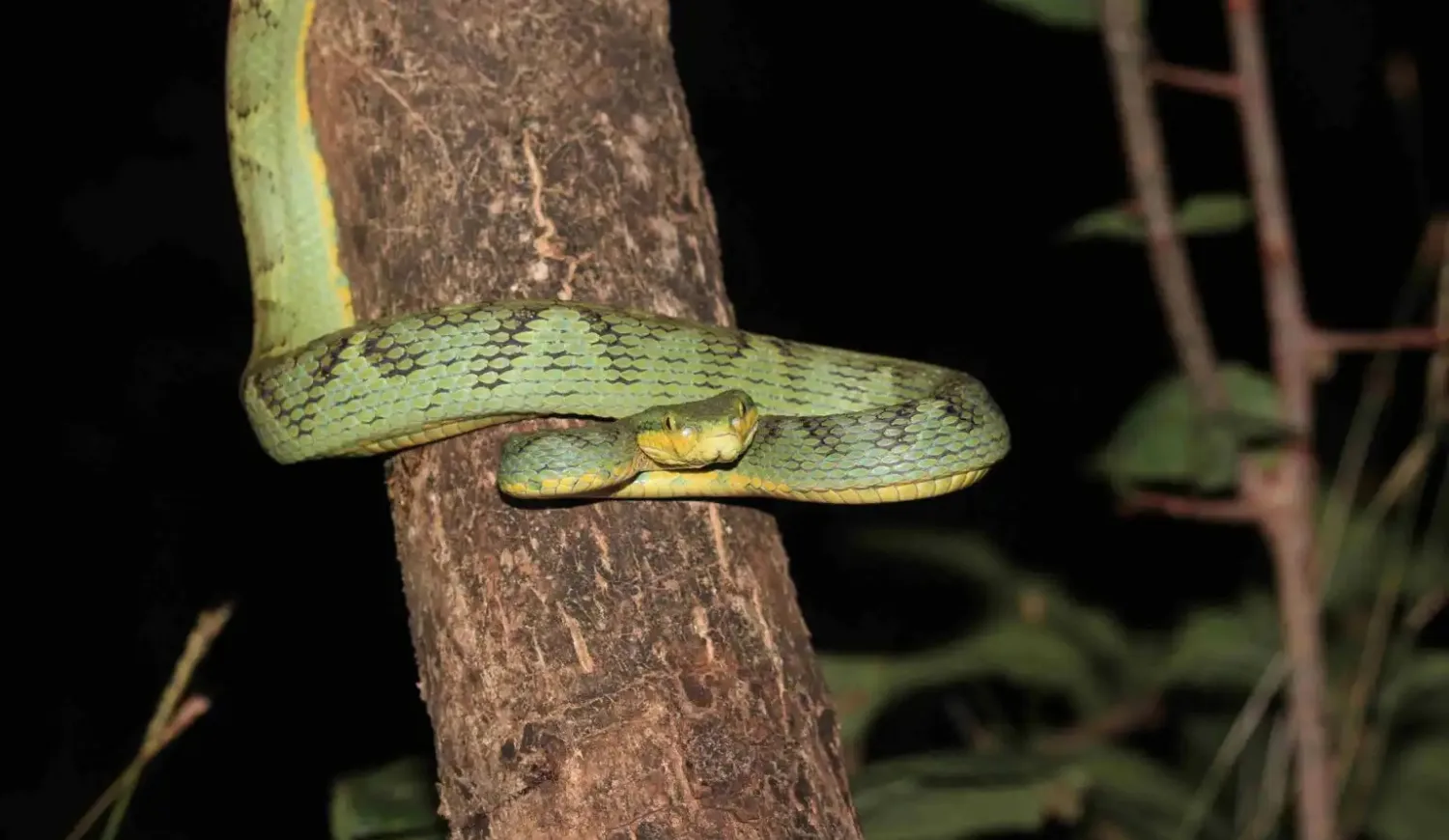
9. Bamboo Pit Viper (Trimeresurus gramineus)
IUCN Status: Least Concern
Distribution: Western Ghats, parts of Central and Eastern India.
Identification: Bright green body, prehensile tail, heat-sensing pits between eyes and nostrils.
Venom: Mildly hemotoxic.
Potency: Bites are rarely fatal, causing swelling.
Habitat: Moist forests, bamboo groves.
Also Read: Nagpanchmi in India: Myths about snakes.
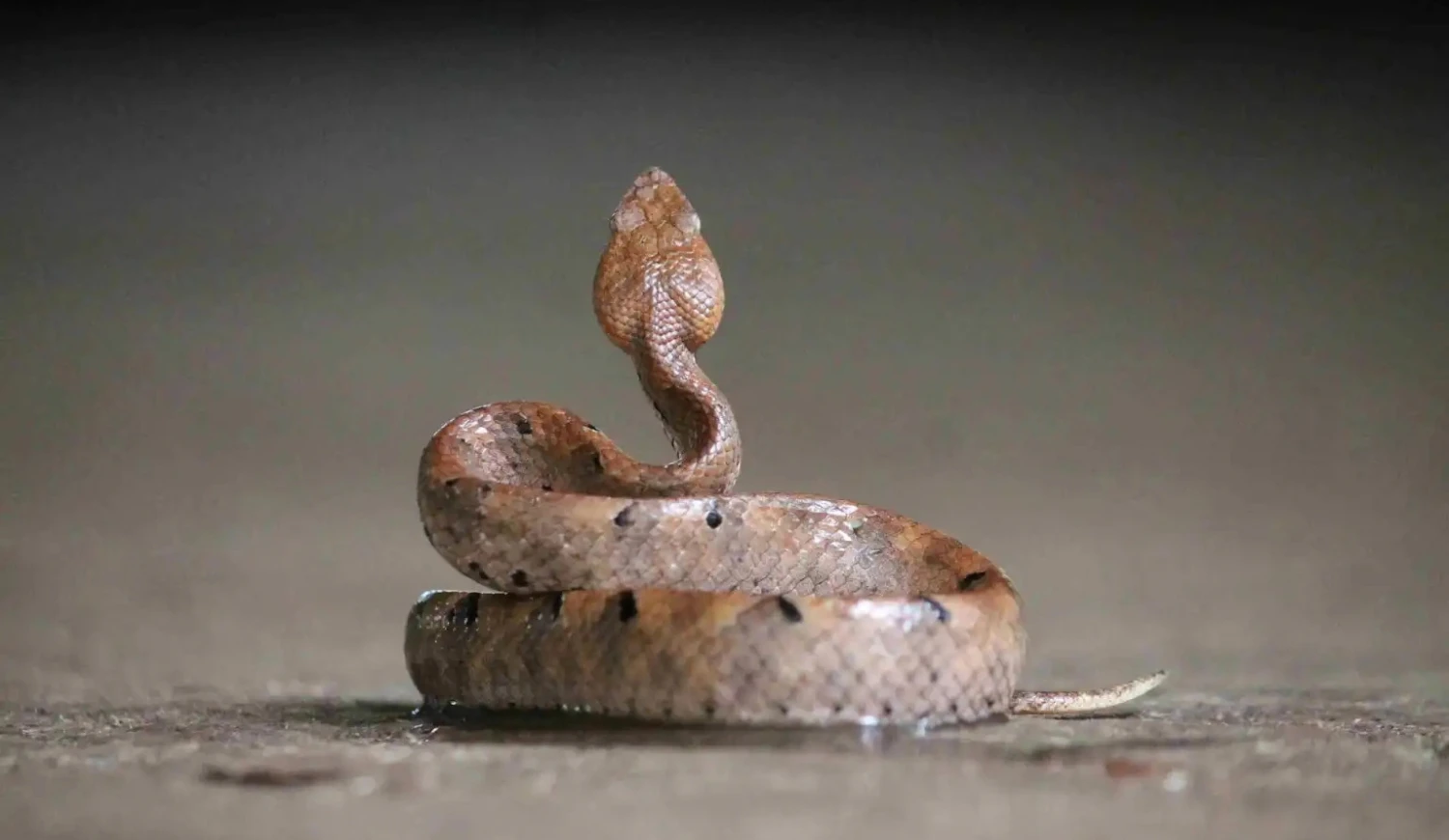
10. Hump-nosed Pit Viper – (Hypnale hypnale)
IUCN Status: Vulnerable
Distribution: Western Ghats, Sri Lanka.
Identification: Brown with darker markings, upturned snout.
Venom Type: Hemotoxic, can cause renal failure.
Potency: Severe envenomation; antivenom often ineffective.
Habitat: Evergreen forests, plantations.
Why Venomous Snakes Matter in Indian Ecosystems
Ecosystem health is significantly influenced by snakes; to preserve ecological stability, they support a range of ecosystem services. Controlling pests is one of the most important tasks; many species successfully control rodent and insect populations, which otherwise have the potential to grow out of control.
These reptiles not only control pests but also act as predators and prey in their natural environments. They support species diversity by playing a crucial role at several trophic levels, from small mammals to larger birds of prey. Their presence contributes to the ecosystem’s overall balance. The foundation of overall biodiversity is this complex web of interactions.
What to do in case of a snake bite?
Dos and Don’ts:
- Stay Calm –Try to remain as calm as possible. This can slow the spread of venom.
- Do NOT panic – Panic can increase your heart rate and spread venom more quickly.
- Call Emergency Services –Seek immediate medical help, or take help of someone to immediately go to a hospital.
- Do not try to suck out the venom – This is ineffective and can cause more harm.
- Keep the Bite Area Immobilized –Keep the bitten limb still and below the level of the heart.
- Do not apply a tourniquet – This can cut off blood flow and cause tissue damage. Releasing the tight band can send a sudden wave of concentrated venom and dead tissue toxins into the main bloodstream, triggering shock or cardiac arrest
- Remove Tight Clothing/Jewelry –Remove rings, watches, or tight clothing near the bite.
- Do not try to catch or kill the snake – This may waste time and increase risk.
- Keep the Victim Still – The less movement, the slower the venom will spread.
- Do not apply ice to the bite – Ice can damage tissue and does not help with venom.
- Try to identify the Snake – If possible, safely observe the snake’s color, shape, or markings (without getting too close) for medical reference or try and take a picture from far.
- Do not drink alcohol – Alcohol can amplify the effects of the venom.
- Use a Clean Cloth to Cover the Bite Area – Cover the bite with a clean cloth to prevent infection.
- Do not give the victim food or drink – This may interfere with medical treatment.
Challenges and conservation efforts.
Many causes jeopardize the stability of snake populations worldwide. Habitat destruction is one of the most serious challenges. Urbanization, agriculture, and deforestation all diminish accessible habitat for these reptiles.
As natural environments disappear, their ability to thrive suffers significantly. Climate change is another important threat. Changed weather conditions can affect mating cycles and food availability.
Rising temperatures may also impact habitat appropriateness. Such changes can reduce species diversity, further affecting the ecosystem. Human persecution poses a more direct threat to these creatures. Many people are afraid of snakes, which causes reluctance or hatred toward them. This anxiety frequently leads to killings or displacement, exacerbating an already fragile situation for various species.
Conclusion of venomous snakes in India
Promoting more research on these species can help us understand their behavior and importance; awareness of their ecological worth leads to a greater appreciation among the general public. Efforts to educate communities about their benefits can change perceptions and alleviate unfounded fear. Protecting these species and their habitats is critical for ensuring ecosystem resilience; recognizing their importance is a step toward improving environmental health. Everyone can help to ensure the survival of these important species. Participating in thoughtful debate and community activities will increase comprehension. Working together, we can appreciate and protect nature’s delicate balance.
References:
Travers, S. (13 June 2024). “Why India’s ‘Big Four’ Snakes Are So Deadly—And 5 Life-Saving Tips From A Herpetologist”. Forbes.
Mukherjee, Ashis K. (2012). “Green medicine as a harmonizing tool to antivenom therapy for the clinical management of snakebite: The road ahead”. Indian J Med Res. 136 (1): 10–12. PMC 3461710. PMID 22885258.
Whitaker Z. 1990. Snakeman. Penguin Books Ltd. 192 pp. ISBN 0-14-014308-4.
Suraj, M.; Narayanan, S.; Srinivasulu, C.; Mohapatra, P.; Giri, V.; Murthy, B.H.C.; de Silva, A.; Ukuwela, K.; Kannishka, S. (2021).
“Daboia russelii”. IUCN Red List of Threatened Species. 2021:
Whitaker Z (1989). Snakeman: The Story of a Naturalist. Bombay: India Magazine Books. 184 pp. ASIN B0007BR65Y
https://scientificorigin.com/why-are-humans-so-instinctively-afraid-of-snakes
Mohapatra, P.; Giri, V.; Suraj, M.; Das, A.; Srinivasulu, C.; Kandambi, D.; Ukuwela, K. (2021). “Bungarus caeruleus”. IUCN Red List of Threatened Species. 2021: e.T172702A1369896.
Whitaker, Romulus; Captain, Ashok (2004). Snakes of India: The Field Guide. Chennai, India: Draco Books. ISBN 81-901873-0-9.
Gopalkrishnakone, P.; Chou, L.M. (1990). Snakes of Medical Importance: Asia-Pacific Region. Singapore: Venom and Toxin Research Group, National University of Singapore. pp. 284–28?. ISBN 9971-62-217-3.
Anil, A.; Singh, Surjit; Bhalla, Ashish; Sharma, Navneet; Agarwal, Ritesh; Simpson, Ian D. (2010-01-01). “Role of neostigmine and polyvalent antivenom in Indian common krait (Bungarus caeruleus) bite”. Journal of Infection and Public Health. 3 (2): 83–87. doi:10.1016/j.jiph.2010.01.002. ISSN 1876-0341. PMID 20701896.
Basfore, Bijay & Kalita, Manab & Sharma, Narayan & Boro, Ananda. (2024). An updated checklist of snakes (Reptilia: Squamata) in northeastern India derived from a review of recent literature. Journal of Threatened Taxa. 16. 26131-26149. 10.11609/jott.8741.16.11.26131-26149. https://doi.org/10.1016/j.ympev.2021.107300. (https://www.sciencedirect.com/science/article/pii/S1055790321002335)
Frequently Asked Questions
1. What are the “Big Four” venomous snakes in India?
2. Which is the most venomous snake in India?
3. What is the difference between poisonous and venomous snakes?
4. What should you do immediately after a snakebite?
5. Which snake causes the most deaths in India?

Head Naturalist, Pugdundee Safaris
Kshitij Gambhir has been an integral part of the Pugdundee Safaris team for nearly a decade. A passionate wildlife enthusiast, he began his journey as a Naturalist and, over the years, has grown into the role of Head Naturalist, leading and mentoring a team of naturalists across Pugdundee’s wilderness destinations.
With years of experience in the field, Kshitij brings a deep understanding of wildlife, forests, and the many stories hidden within them. His passion for nature and keen eye for wildlife continue to shape meaningful experiences for guests exploring India’s wild landscapes.