Best Zones Of Kaziranga National Park
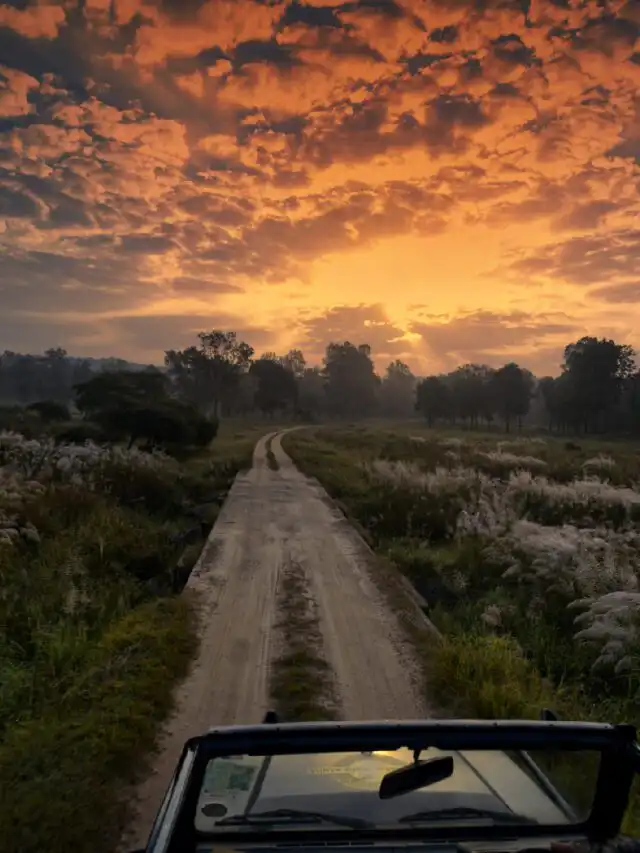
The core area of Kaziranga National Park is 482 sqkm. while the buffer area is 573.85 sqkm. For anyone planning a safari to this UNESCO World Heritage site, understanding the zones in Kaziranga National Park is essential to choosing the best route for your interests – whether it’s spotting the Big Five of Kaziranga, photographing birds, or exploring the riverine forests unique to this region. Kaziranga National Park is divided into four core tourism zones.
- Central Range or Kaziranga Zone
- Western Range or Bagori Zone
- Eastern Range or Agaratoli Zone
- Burapahar Range or Ghorakati Zone
Additionally, a reserve forest area on the eastern boundary has been opened to the public since February 2025 as an important birding destination, and boat safaris are offered on the Brahmaputra from a different point.
Read on to choose the best zone in Kaziranga National Park for your visit.
Also know about Tadoba Nationa Park, Read for more.
1. CENTRAL RANGE / KOHORA ZONE
Location: The Central zone is located in Kohora town, around 2 kms from National Highway. This is the most popular Kaziranga National Park range for a few reasons – it offers a classic safari experience and consistent sightings due to the openness of this quintessential Kaziranga terrain. It’s well-located, providing easier access than more remote zones, and more commercial, with many lodges and restaurants nearby.
Landscape: Open grasslands, shallow wetlands, and sparse woodlands make this zone ideal for wide-ranging wildlife views and easy navigation. The landscape lends itself to a beautiful drive. Winter often sees the flowers of the red silk cotton trees (Bombax ceiba) in bloom. This zone has a big machan that offers a bird’s eye view of the landscape, as well as a few forest camps where visitors can get down and click eye level shots of the numerous water bodies that dot the region. It is an ideal pick for families, first-time safari-goers and wildlife photographers.
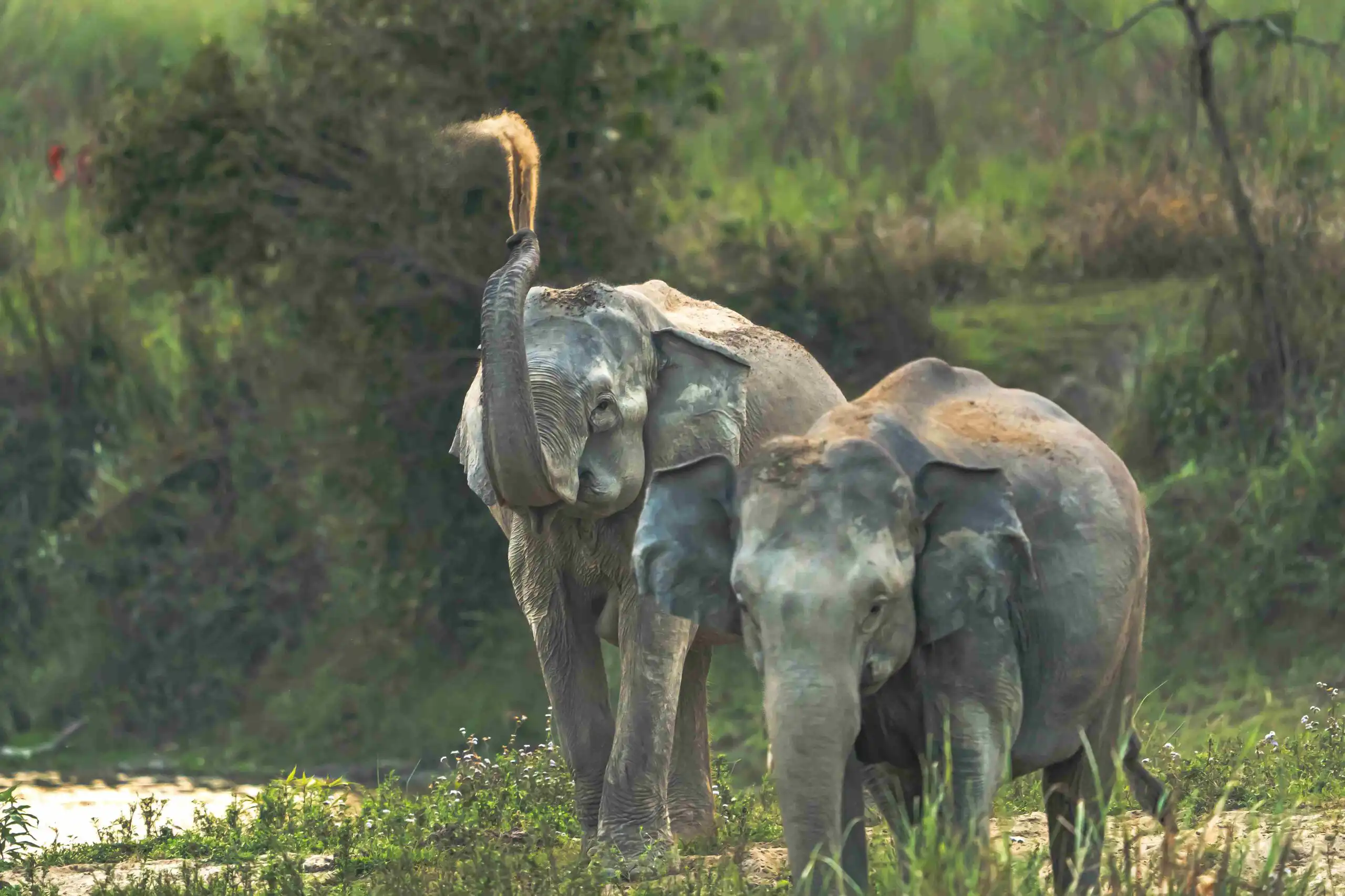
Wildlife and Birds: The zone is well known for its population of rhinos and elephants. Over the last few years, tiger sightings have been improving in this zone, although Kaziranga tigers are more elusive than those found in Central India and Uttarakhand, given the landscape. One might also be able to spot the golden tiger unique to Kaziranga in the Central zone. Visitors can enjoy good sightings of abundant water birds and raptors. The region is also home to a large herd of wetland barasingha (swamp deer) and hog deer.
Also Read:The Ultimate Jungle Safari in India Guide: Top National Parks in India
Highlights of the Central/Kohora zone: Tourists who have booked elephant safaris can ride the elephants for an hour-long safari in the central zone of the park. Elephant safaris start from Mihimuk tower, passing through Dagland and Foliomari areas. Riding on the back of an elephant for an hour gives a different vantage point; guests can experience the jungle and rhinos more intimately, as they can traverse the wetlands, grasslands and forests unlike jeep safaris which must stick to designated trails.
2. WESTERN RANGE / BAGORI RANGE
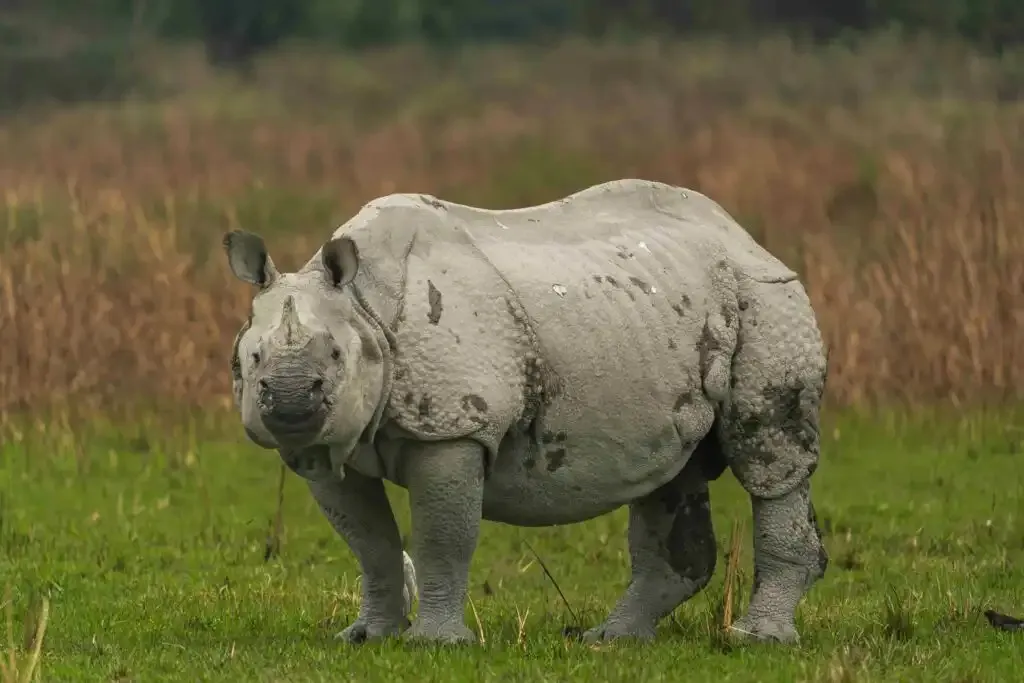
Location: Kaziranga is one of the few national parks in India which allows visitors to experience the forest at close quarters through an elephant safari. Located in Bagori town, the western zone serves as a starting point for these safaris. Guests have a higher chance of close encounters with rhinos, given the vegetation and number of watering holes.
Landscape: The Western zone is more marshy with thick patches of grasslands interspersed with leafy foliage compared to Kohora, and has several watering holes that attract large herbivores.
Wildlife and Birds: The Western zone is home to a dense population of rhinos, elephants and wild buffalos. One might spot the extremely rare golden tiger in this zone; their fur appears golden or amber due to a rare genetic modification that results in this colour variation. Visitors can also see hog deer, wetland barasingha and the Indian giant squirrel in the Bagori range.
Also Read: Best Walking Trails from the Top National Parks of Madhya Pradesh
Highlights of the Western zone: If you’re aiming for intimate rhino sightings, this is arguably the best zone in Kaziranga National Park for it. Elephant safaris in this zone led by a mahout are preferred by guests. There are several machans, offering picturesque viewpoints for photography.
3. EASTERN RANGE/AGORATOLI ZONE
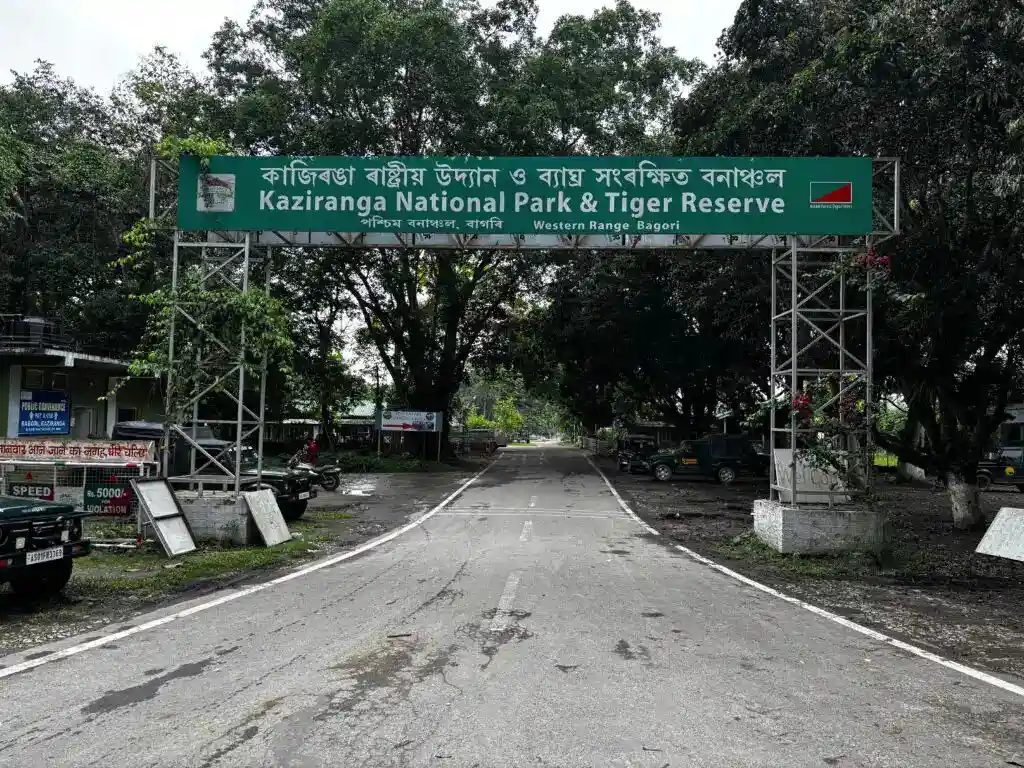
Location: The starting point for the Eastern zone is in the village of Agoratoli. The drive from the Central zone to the Eastern Zone is famous for its scenic beauty, passing between beautiful tea gardens on both sides of the highway.
Landscape: The Agoratoli range is more forested, with swampy areas near the Brahmaputra River and large patches of woodland. It offers a completely different feel compared to the central and western zones in Kaziranga.
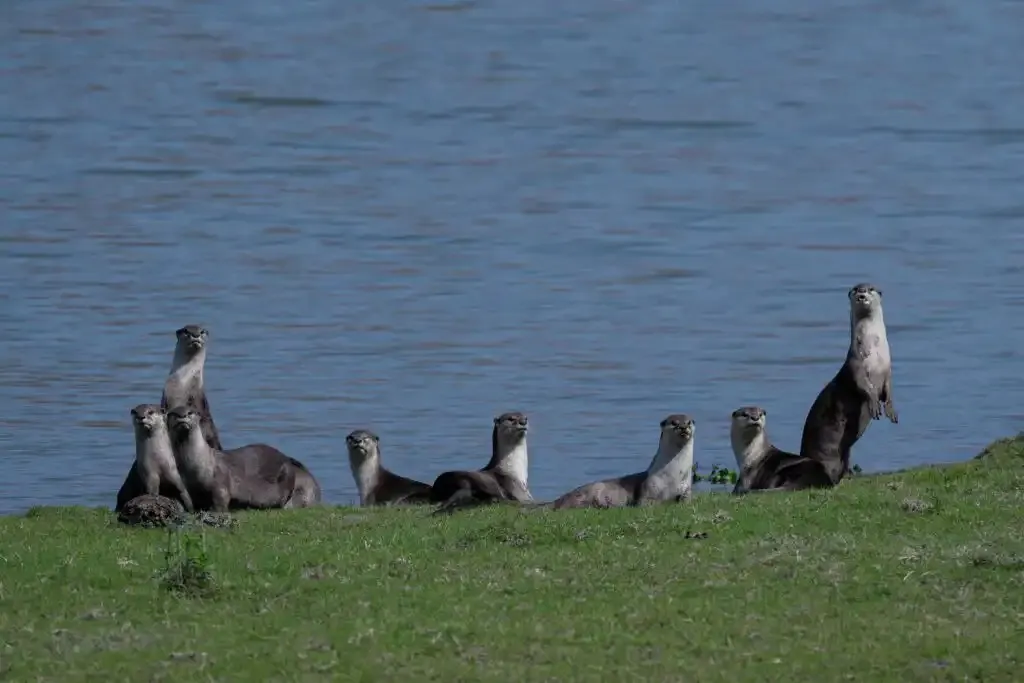
Wildlife and Birds: While rhino and elephant sightings are common, one can also spot hornbills, otters and elusive predators like tigers, including the rare golden tiger unique to Kaziranga, in this region. In fact, the Big Five of Kaziranga can be easily spotted in this zone. The river banks also serve as a homeland to many water-birds like white-bellied herons, grey-headed fish eagles. This zone is known for migratory waterfowl, including bar-headed geese, pelicans, and storks, giving flight to visitors’ birding dreams.
Also Read: Black Panther in India
Highlights of the Eastern zone: This zone is known for a quieter experience. It is a haven for birdwatchers, especially during the winter months. The scenic drive along the river and the diversity of birds make it one of the most peaceful and enriching Kaziranga National Park ranges.
4.BURAPAHAR ZONE
Location: The fourth zone of the national park is the Burapahar zone, located in Ghorakati town. The Rhinoland Park marks the starting point for all jeep safaris in this zone. It is the first zone one encounters when driving from Guwahati.
Landscape: Unlike the floodplain zones, Burapahar features hilly forested terrain with dense tree cover, bound to leave visitors spellbound. It is much sandier due to its proximity to the Brahmaputra and the riverbed.
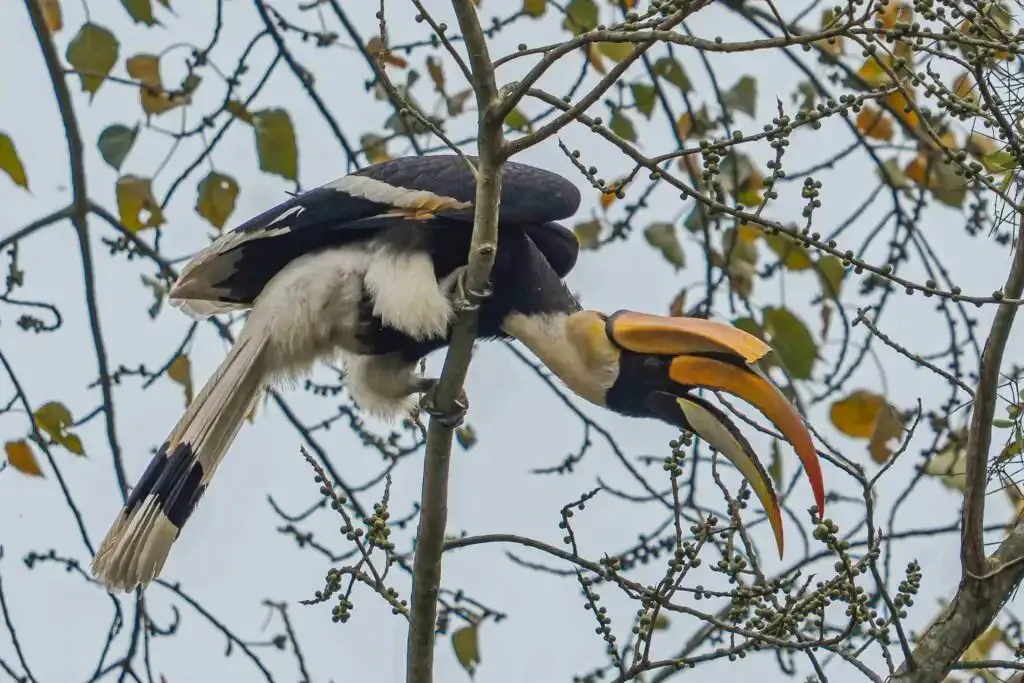
Wildlife and Birds: Burapahar is famous for Hoolock Gibbon, the only ape species found in India. One can also see capped langurs, smooth coated otters, spotted deer and Indian giant squirrels in this zone. It is also home to a variety of birds like various species of Hornbills, Brownfish owls, Asian barn owls and raptors.
Also Read: Elephants in India
Highlights of the Burapahar Zone: Burapahar zone offers visitors a quieter and less crowded experience due to its location, making it an ideal destination for those seeking solitude and silence in the wild. Guests have the chance to view India’s only ape species – the Hoolock Gibbon, in its natural habitat.
5.PANBARI RESERVE FOREST AREA
Location: Panbari Reserve Forest lies in the Golaghat district, about 13-14 km from the eastern boundary of Kaziranga National Park. It spans approximately 11 sq. km and can be accessed via Modarjuri Camp. Although this is a separate reserve forest area as per the forest department, people sometimes consider Panbari as the fifth zone of Kaziranga National Park.
Landscape: This reserve is part of a hill forest with tropical evergreen and semi-evergreen trees. There are several water bodies in the area, which offer a different wildlife and birding experience. Visitors can enjoy panoramic views of the Numaligarh Tea Estate.
Wildlife and Birds: This forested zone is a haven for birdwatchers, home to over 400 species of butterflies and 300 species of birds. Several exotic birds like the great Indian hornbill, crested goshawk, Asian fairy-bluebird, pied falconet, blue-naped pitta can be found here. It also shelters numerous arboreal mammals like hoolock gibbons, macaques, capped langurs, giant squirrels and various reptiles.
Also Read: Best Gates in Panna National Park
Highlights of the Panbari Zone: Jeep-based birding tours, strategically placed bird hides, and the chance to spot India’s only ape – the hoolock gibbon – make this a unique and offbeat experience when visiting this region, and exploring beyond the core zones of Kaziranga National Park.
6.BOAT SAFARI AT BHOMORAGURI
The opportunity to embark on a boat safari provides a unique perspective of the flora, fauna and landscapes of the region. Boat safaris start at Bhomoraguri, about 30 kilometres from the westernmost range and Burapahar. sailing around the backwaters of the Brahmaputra river, Tourists can enjoy the boat safari on both speedboats and country boats. There are three boating routes covering 5-12 km, lasting 2-3 hours. In some areas, Gangetic river dolphins can be sighted.
Conclusion
Each of the zones in Kaziranga National Park reveals a different face of this richly diverse ecosystem. Whether it’s the wide grasslands of Kohora, the bird-filled wetlands of Agaratoli, the rhino haven of Bagori, or the dense forests of Burapahar, the park invites you to experience its wonders from multiple perspectives.
For the most enriching experience, plan to do multiple safaris across different zones over 2–3 days. The diversity of habitats ensures every drive feels new. Plan with care, match your interests to the right Kaziranga National Park range, and you’ll be rewarded with encounters that stay with you long after the dust settles on the jeep trail.
FAQs
1. When is the best time to visit Kaziranga?
Kaziranga National Park is usually open from 1st October till 30th April every year. It is shut during the monsoons as the Brahmaputra often floods the low-lying areas of the park. In case rainfall is less, then the park extends its closing date till the end of May. Peak wildlife sightings take place from November to March.
2. How to book safaris in Kaziranga?
Safaris can be booked online via the Assam Forest Department website or through your lodge, which may also assist with naturalists and zone suggestions.
It is important to keep in mind that each zone is administered by their respective zone office. Hence the tickets for boat, jeep or elephant safaris need to be obtained from their respective counters.
3. Are private vehicles allowed?
No, all safaris are conducted in authorized jeeps with registered guides.

Pugdundee Safaris is recognized as one of India’s leading responsible safari companies. With seven intimate jungle lodges in Central India and many bespoke wilderness experiences it presents the very best of the Indian subcontinent wildlife & hospitality. Between 2009 and 2026, we have been awarded for our excellence in wildlife safaris, our commitment to sustainability, our experienced naturalists and our pioneering mobile safari initiative. Pugdundee is a Hindi word meaning a foot trail commonly used by humans and animals, this word is popularly used for such beaten paths in the Indian jungles. We continuously strive to deliver the best possible guest experience, while still integrating the conservation of jungles and the people living around. We are motivated by the hope of reaching out to people in the remotest areas of our country, as we believe that they are the front-runners of wildlife conservation. However, maybe just a drop in the ocean we consider that we are making a significant contribution to wildlife conservation and rural economy wherever our lodges are.