

Singalila National Park, perched along the India-Nepal border around Darjeeling, West Bengal, is a high-altitude wonderland of ancient rhododendron and oak forests, mist-cloaked valleys, and panoramic Himalayan views. Once a trekking route and reserve forest, it was officially designated a national park in 1992, protecting its rare and fragile ecosystem. Ranging from 7,000 to over 12,000 feet, its trails wind through vibrant springtime blooms, golden autumn foliage, and snow-dusted winter landscapes.
Singalila National Park | TINCHULE FOREST INFORMATION
The contiguous forests of Singalila National Park in India and Tinchuley in Nepal are a biodiversity haven for some of the Eastern Himalayas' most elusive wildlife, including the Red Panda, Himalayan black bear, and clouded leopard, alongside over 300 species of birds.
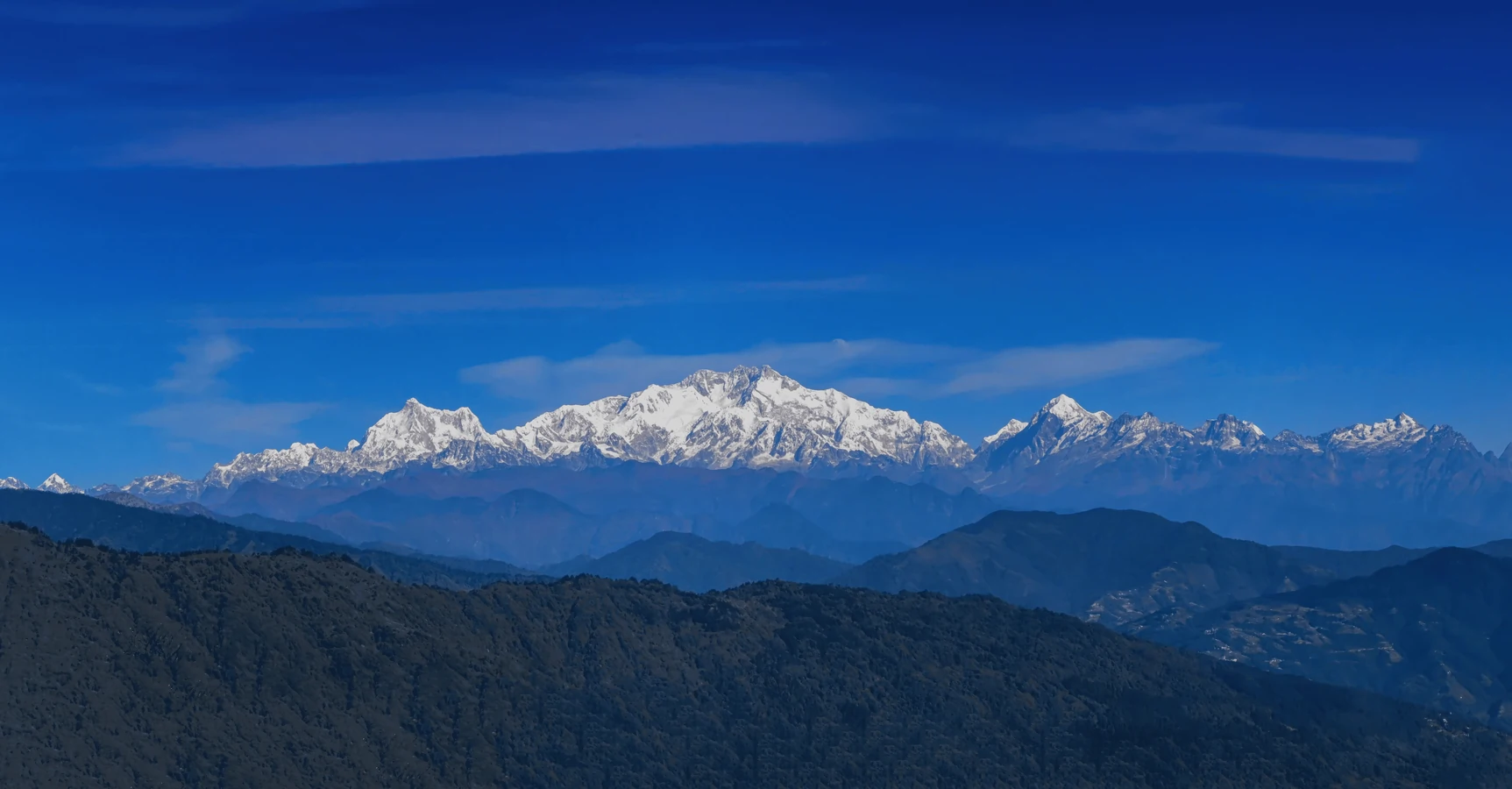
Beyond its rich biodiversity, Singalila is famous for providing one of the finest views of the world’s highest peaks, including Kanchenjunga, Makalu, Lhotse, and even Mount Everest on a clear day - making it as much a refuge for nature lovers as it is for trekkers and wildlife enthusiasts.
Highlights
Size
Spread over an area of 78.6 sq.km.
Forest Type
Thick bamboo, Oak, Magnolia, and Rhododendron forests
Mammal Focus
Himalayan Black Bear, Golden Cat, Leopard Cat, Himalayan Serow, Barking Deer, Yellow-throated Marten, Wild Boar, Bhutan Flying Squirrel, Pika, Himalayan Palm Civet
Birds
Satyr Tragopan, Kalij Pheasant, Blood Pheasant, Brown, Black-throated, Great and Fulvous Parrotbills, Rufous-vented Tit, Fire-tailed Myzornis, Golden-breasted Fulvetta, Hill Partridge, Yuhina, Rosefinches, Bullfinches, Wren-Babblers, Laughing Thrushes, Nuthatches, Treecreepers, Minivets
Exclusive Park Activities in Singalila National - and Around
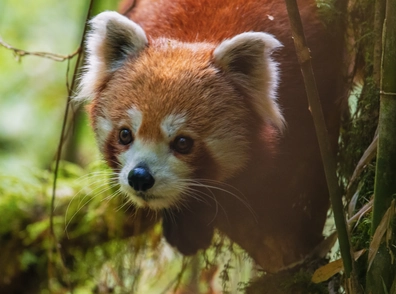
IN SEARCH OF THE RED PANDA
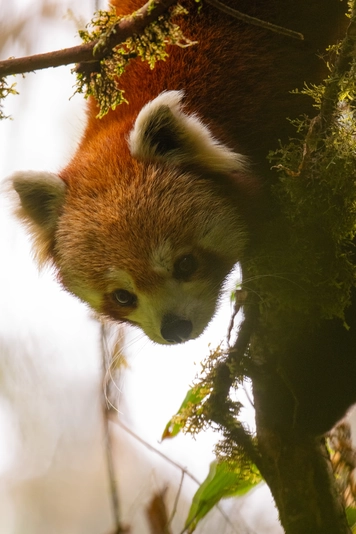
The search for the elusive red panda in the misty forests of Singalila draws wildlife enthusiasts, photographers, and nature lovers from across the world. With its bamboo-rich habitat, high-altitude forests, and quiet, undisturbed terrain, Singalila is one of the few strongholds in India where red pandas can be sighted in the wild. Spotting one requires patience, an early start, and the trained eyes of local trackers who know the forest intimately. Moving quietly through moss-laden trails and dense rhododendron groves, visitors can catch a glimpse of this endangered red species curled up on a high branch or foraging among the foliage.
In search of Red Panda
HIKING THROUGH THE CLOUDS
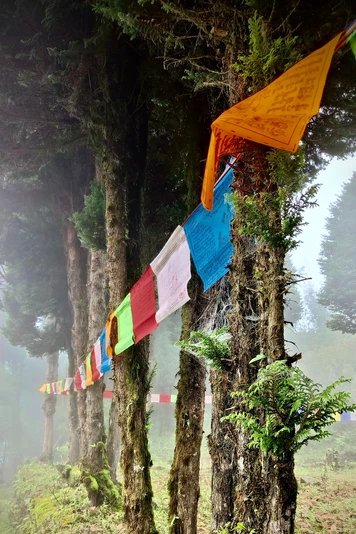
Hiking through Singalila often feels like walking in a dream, the trail rising and falling through clouds that drift across the ridgelines of Tonglu, Tumling, and beyond. One moment you're wrapped in mist, the next rewarded with sudden, sweeping views of snow-clad giants like Kangchenjunga, Everest, Lhotse and Makalu. These ever-shifting moods are part of the Sandakphu-Phalut trail’s high-altitude charm. It's not just a trek, but a passage through nature’s poetry in motion.
Hiking through the clouds
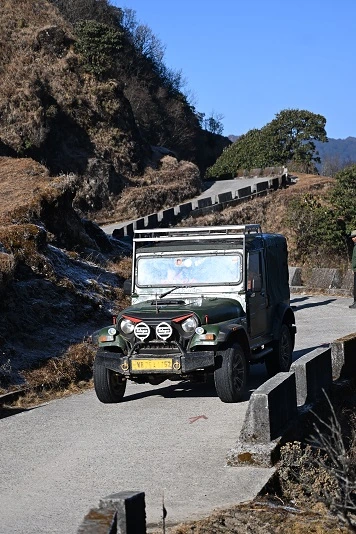
VINTAGE LAND ROVER DRIVES
Discover the beauty of Singalila National Park on a journey in classic British-era Land Rovers - a unique way to experience the dramatic terrain of the cloud kissed hills. The ride involves an action-packed ascent through rhododendron forests and alpine meadows on winding roads, with views that evolve dramatically with altitude. This blend of heritage transport and high-altitude terrain makes the Land Rover experience a visual highlight of any trip to Singalila.
Vintage Landrover Drives
Explore Our Blog
Where to stay in Singalila National Park
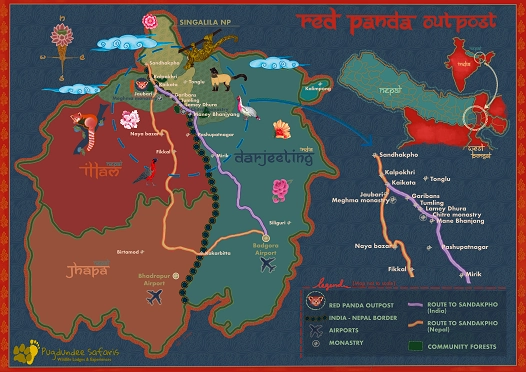
Tucked away on the misty ridges of the tiny Buddhist village of Jaubari near Singalila National Park and adjoining Tinchuley forest, Red Panda Outpost is a cosy six-room retreat, thoughtfully designed for adventurous travelers exploring the wild beauty of the mountains.
With creature comforts like reliable electricity, heating, and hot water, each room offers quiet simplicity and an attached bathroom. Guests gather in the old wooden house over hearty, home-cooked meals, from Nepali thalis to fresh, seasonal fare crafted with care. Rooted in the spirit of mountain outposts and Gorkha heritage, the homestay blends rustic charm with mindful hospitality. Entirely free of single-use plastics and committed to preserving the fragile Himalayan ecosystem, it’s the perfect base for travelers seeking both wild adventure and soulful rest.
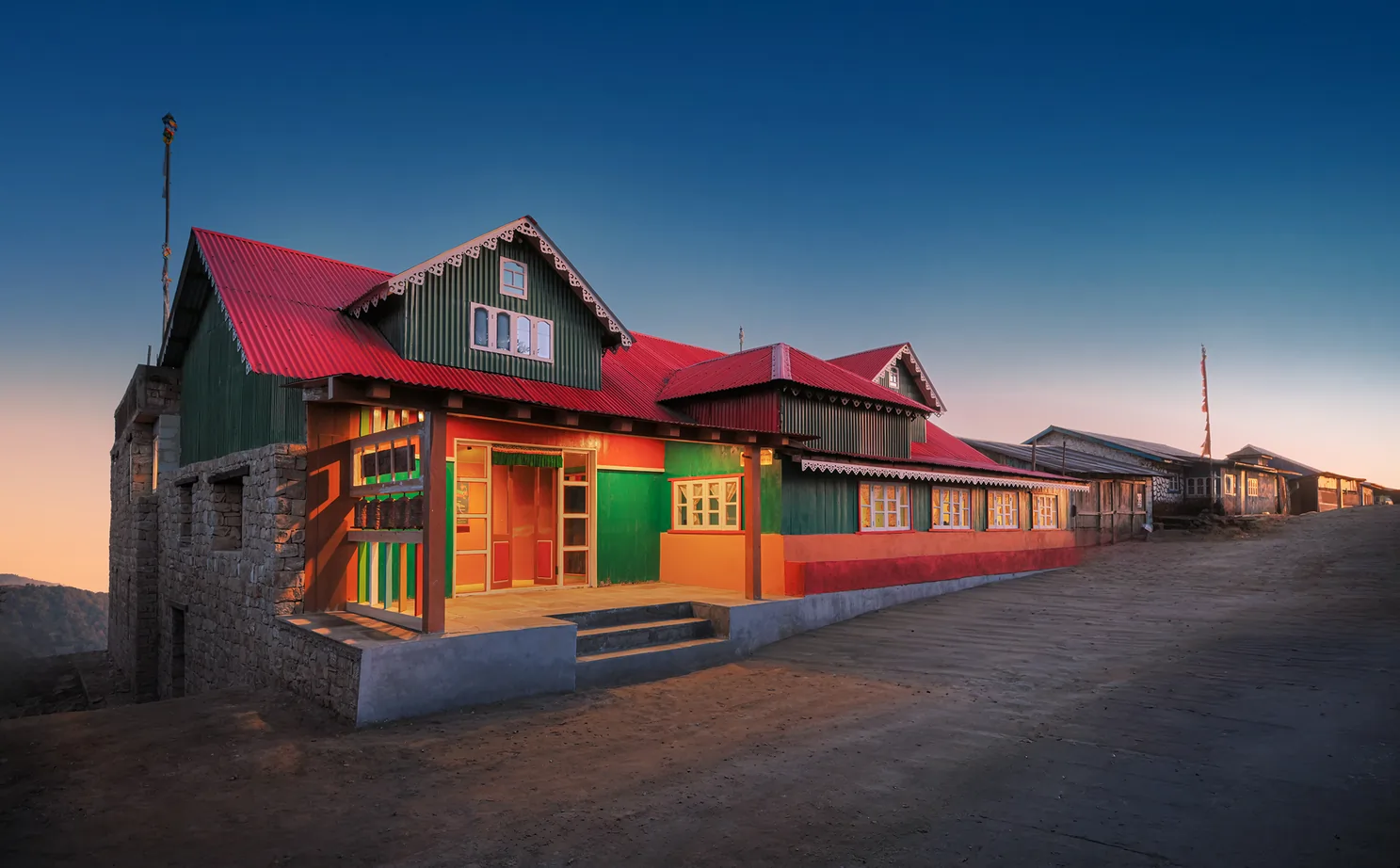
Artist impression of the upcoming Red Panda Outpost, opens November 2025.
HOW TO REACH SINGALILA NATIONAL PARK
By Air
For Indian and inbound travelers, the preferred port of arrival and departure is Bagdogra airport (IXB) in Siliguri, West Bengal, which is about 100 km from Singalila National Park. Jaubari, situated adjoining the SNP on the Nepal side, is a good base for exploration. The drive from Bagdogra to Jaubari can take up to 5 hours, with the last stretch of 1-1.5 hours being covered in 4x4 Boleros. Immigration takes place at the Kakarbhitta border in Nepal if crossing over. For international guests traveling within Nepal, the closest airport is Bhadrapur airport (BDP), also known as Chandragadhi airport. By road, the drive to Singalila can take up to 4 hours.
By Train
The nearest railway station to Singalila National Park is Ghoom near Darjeeling. Bagdogra is a major station that is well connected in the region, 4 hours by road to Singalila National Park.
FAQs for Singalila National Park
-
What are the wildlife highlights of Singalila National Park?
Singalila National Park is best known for the elusive Red Panda, along with species like the Himalayan black bear, clouded leopard, yellow-throated marten, and serow. It's also a birdwatcher's paradise, home to over 200 species including the satyr tragopan, blood pheasant, and fire-tailed mayzornis.
-
What is Singalila National Park famous for?
Apart from its rich biodiversity, the park is renowned for its breathtaking trekking routes, especially the Sandakphu-Phalut trail, offering panoramic views of the world’s highest peaks - Everest, Kangchenjunga, Lhotse, and Makalu.
-
What is the best time to visit Singalila National Park?
The best time to visit Singalila National Park is from March to May and October to early December. Spring offers vibrant rhododendron blooms and clear mountain views, while autumn brings crisp skies and golden light. These months are ideal for trekking, red panda sightings, and stunning Himalayan panoramas.
-
What other activities are available around Singalila National Park?
Singalila and the adjoining forests offer a variety of activities for nature lovers, wildlife enthusiasts and trekkers. Apart from tracking red pandas and other wildlife unique to the region, visitors can engage in birdwatching, trekking and nature walks. The location also makes for great sunrise views of the Eastern Himalayas and stargazing.