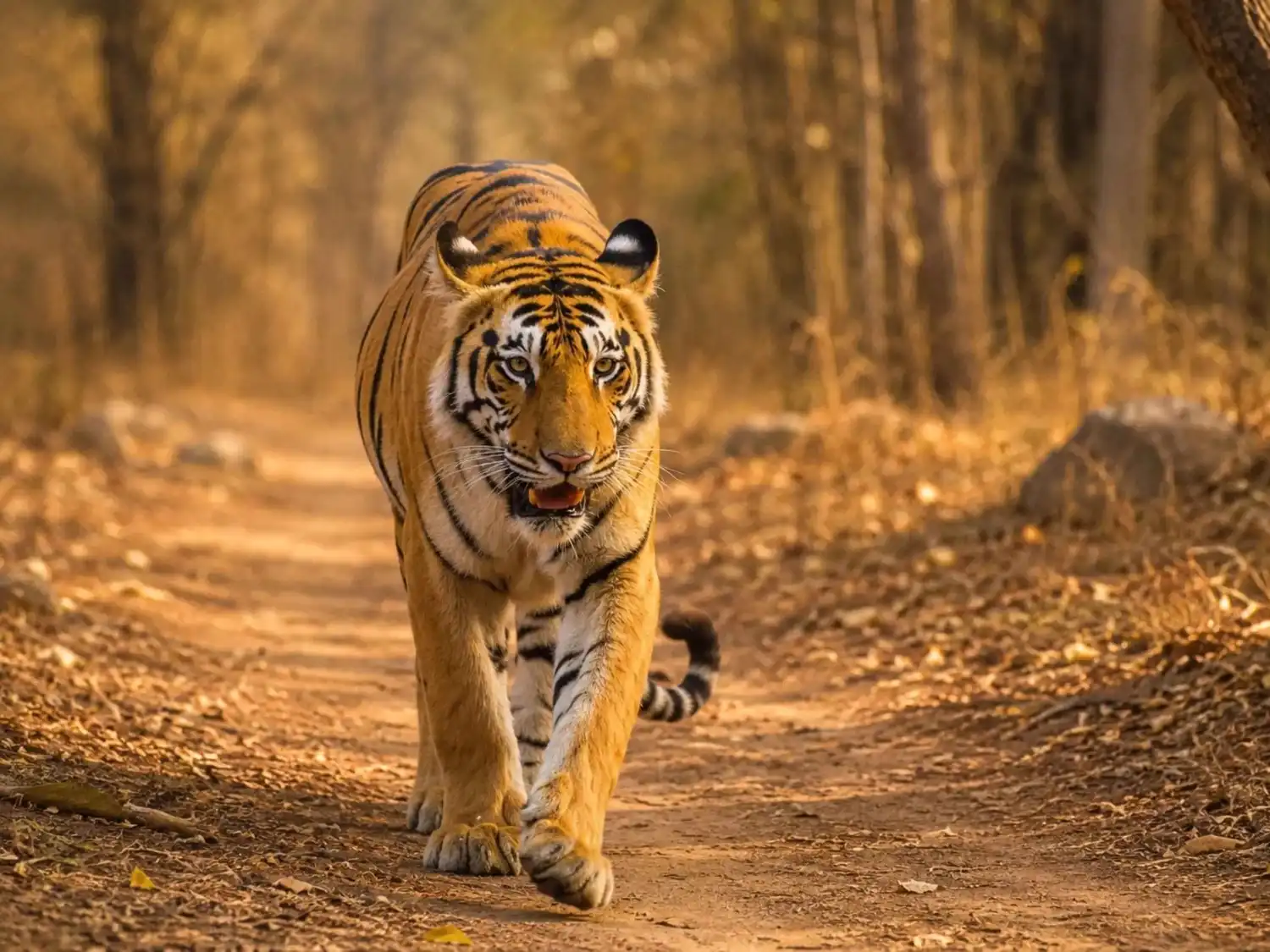
Planning a trip to tiger country in Central India often comes down to one question: Pench or Tadoba? Both rank among India’s finest wildlife destinations, renowned for healthy tiger populations, thriving biodiversity, excellent safari infrastructure and beautiful landscapes. Yet despite their proximity, these two parks offer remarkably different journeys into the wild.ย
In this guide, we compare Pench vs Tadoba across the factors that matter most. Read on to understand the differences between them and choose the safari destination that’s the right fit for you.
Pench vs Tadoba for Tiger Sightings, Wildlife and Birdwatching
First things first, guests want to know which park between Pench and Tadoba is better for tiger sightings.ย
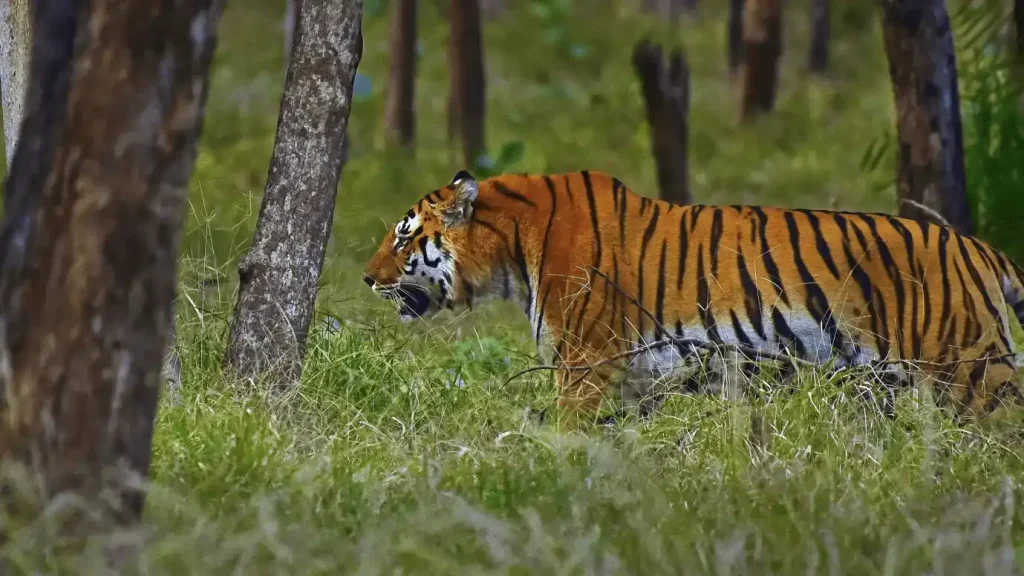
Tadoba has built a reputation as one of India’s most reliable parks for tiger sightings, with over 115 tigers. Photographers love to visit TATR for the possibility of multiple big cat sightings over several safaris as many of its zones, including its buffers, consistently produce close encounters.ย

To explore more options beyond Pench and Tadoba, read our guide to the best tiger safari destinations in India.
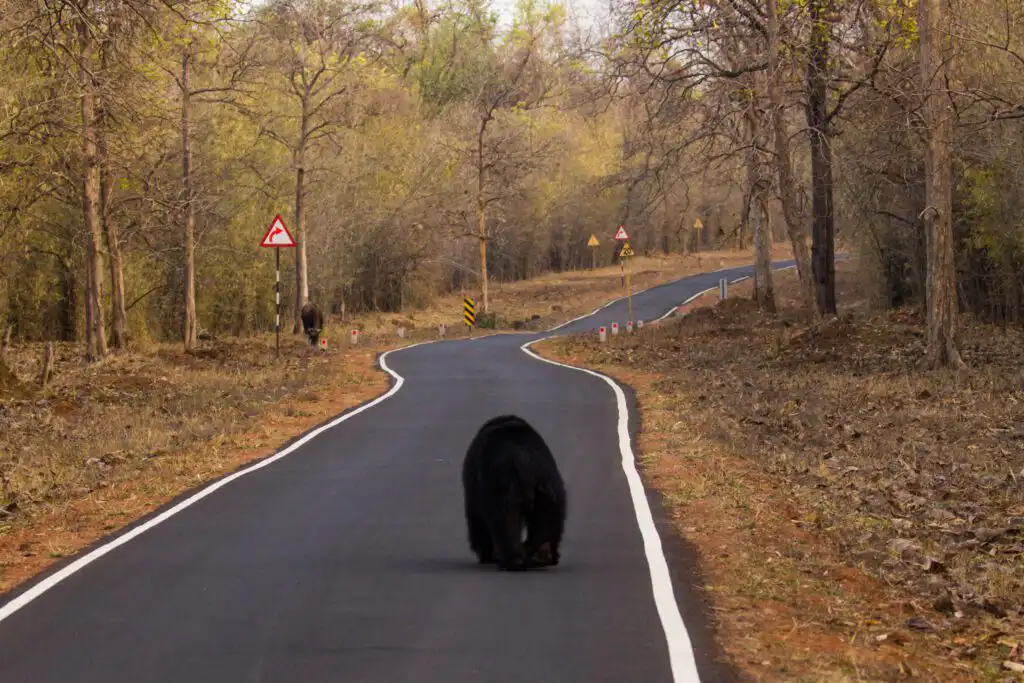
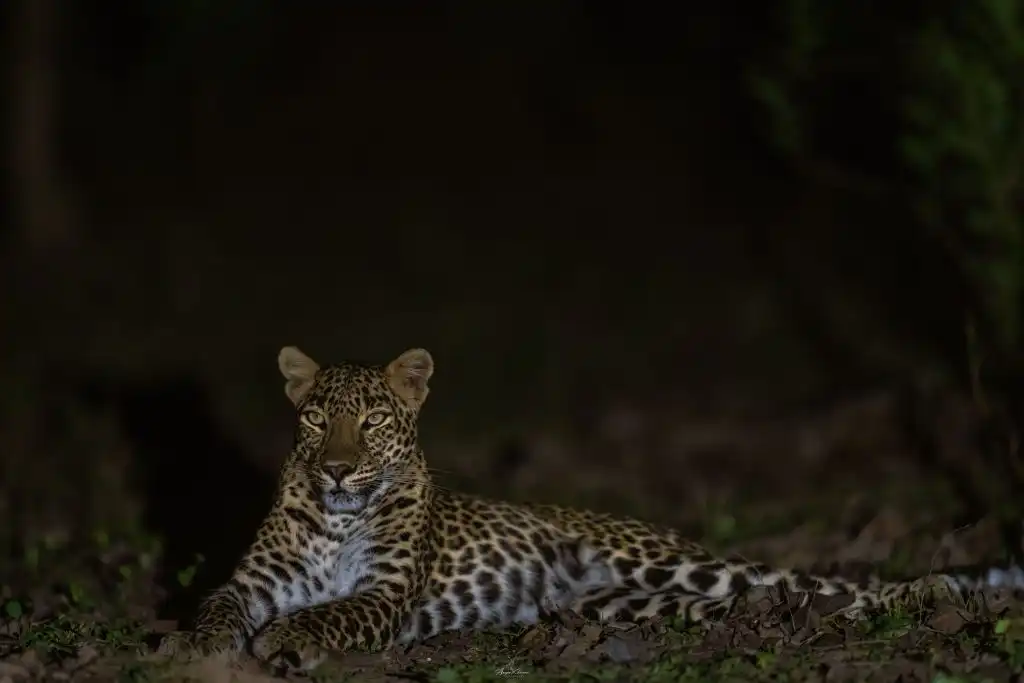
Beyond tigers, the park is inhabited by 61 mammal species including leopards, sloth bears, wild dogs, gaur, honey badgers, various species of deer and antelope Tadoba is home to over 250 bird species.
Visitors can see the Indian Pittas in abundance during summer, whereas in the winter months, several migratory species like bar-headed geese, godwits, red-crested pochards and more. 31 species of reptiles including mugger crocodiles, rock pythons, Indian cobras and Russellโs Viper.ย
With a population of close to 70 tigers, Pench also offers excellent tiger sightings amidst beautiful backdrops. It also supports an impressive variety of mammals including leopards, wild dogs (dhole), Indian gaurs, jackals, wolves (occasionally), spotted deer, sambar, nilgai and four-horned antelopes.
It offers a true โjungle bookโ experience for guests looking for diversity of species in a beautiful forest setting. It is also one of Central India’s finest birding destinations, with over 300 recorded species. Some highlights include the Mottled wood owl, Egyptian vulture, Lesser adjutant stork, Ruddy shelduck and Greylag goose.
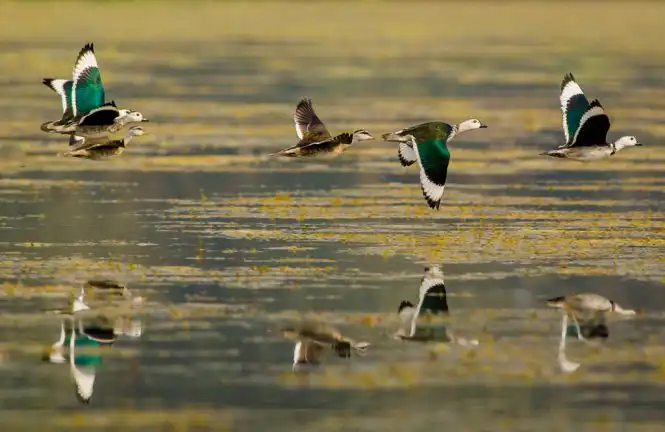
The water bodies around Pench transform into a paradise for winter migrants.
Also Read: Star Birds of Central India
Pench vs Tadoba: Landscape, Safari Zones and Overall Experience
Pench Tiger Reserve is a picturesque forest spanning an area of 1180 sq. km, of which the core is 411 sq km. and the buffer stretches over 768 sq km. Picture teak forests interspersed with rocky outcrops, beautiful grasslands, seasonal streams and the Pench River, which create a varied landscape that changes gently throughout the drive.ย
The core forest on the Madhya Pradesh side can be accessed via 3 gates: Turia, Karmajhiri and Jamtara, while the core on the Maharashtra side can be accessed via Sillari. The safari experience feels relaxed, the pace feels slower, and many visitors leave feeling deeply connected to the landscape despite the park growing in popularity over the years.ย
On the other hand, Tadoba feels wilder and more dramatic. Thick bamboo, dry deciduous forests, grasslands, woodlands and numerous manmade and natural lakes create a landscape with stronger contrasts.
These landscapes vary depending on the zones you pick, but nonetheless, the safari experience is memorable. Because of its popularity around tigers, Tadoba can feel busier, particularly during weekends and holidays. Popular zones often attract more safari vehicles when a tiger is sighted.
TATR is the largest tiger reserve in Maharashtra: the park covers an area of 1727 sq. km. (core area of 625.4 sq. km. and buffer area of 1101.7 sq. km. Guests can access its three tourism zones – Tadoba in the north, Moharli in the southwest, and Kolsa in the south via 22 gates, of which six gates (Moharli, Khutwanda, Kolara, Navegaon, Zari and Pangadi) provide access to the core and the remaining 16 allow entry to the buffer zones.
Although core zones are shut during the monsoon for safari, Tadobaโs buffers are often on par in terms of sightings, making it a great wildlife safari destination during the monsoon months of July to September for those interested in tiger sightings.ย
If you want to know about The Ultimate Jungle Safari in India Guide, click here to learn more.
Local Food and Cultural Experiences in Pench and Tadoba
Local Cuisine Around Pench
The food in Pench is influenced by the flavours and cooking style of tribal communities that inhabit the forests of Madhya Pradesh. Recipes are inspired by local village kitchens, shaped by the seasons and the surrounding woodland; expect flavours that are earthy, comforting and rooted in forest produce.
Seasonal ingredients like wild mushrooms and mahua flowers are often incorporated in dishes, desserts or beverages.
Some regional highlights include Dal Bafla (Madhya Pradesh’s answer to Rajasthan’s dal baati, served with ghee and lentils), Bhutte ka Kees (grated corn cooked with milk and spices) and traditional tribal recipes inspired by Gond and Baiga communities, many centred around indigenous grains like kodo millet and foraged ingredients.
Local Cuisine Around Tadoba
Meals often feel slow and homely, designed around what’s growing nearby rather than elaborate spice blends. This is in contrast to Tadoba, which is known for the bold flavors of the Vidharbha region. The local cuisine involves a rich use of spices and heat.
Tadobaโs Varhadi cuisine feels more vibrant, fiery and energetic. Meals are often richer, spicier and packed with robust flavours that linger long after the safari ends.
Some local specialties worth trying include Saoji curries with chicken / mutton originating around Nagpur, famous for intensely aromatic spice blends, Zunka Bhakri and dry vegetable dishes flavoured with peanuts and coconuts that carry the characteristic warmth and depth of the surrounding regions.ย
How to Reach Pench and Tadoba from Nagpur and Nearby Cities
Pench and Tadoba National Parks showcase the extraordinary biodiversity of Central India through different lenses. They are both approximately 2-3 hours drive in different directions from Nagpur, which functions as the main hub with an international airport that is well connected with several major metros of India and direct international flights via the Middle East. Nagpur also has a major railway station, with Chandrapur and Wardha serving as closer stations to Tadoba.ย
Jabalpur is the second closest hub with an airport and train connectivity, about 4 hours from Pench. Guests can drive down to both these parks due to strong road connectivity from Mumbai, Pune, Hyderabad and Raipur.
For detailed travel routes and transport options, read our guide on how to reach Pench National Park.
Tadoba-Andhari tiger reserve is well connected with a few other parks in the state like Umred-Karhandla and Navegaon-Nagzira, forming essential corridors.
Pench can easily be added to a safari itinerary that includes Kanha, which is only 3.5 – 4 hours away by road. Pench is also accessible by road from Satpura Tiger Reserve and can be clubbed with either of these parks for a longer circuit offering diverse landscapes and a more holistic wildlife experience.
For Tadoba travel details, explore our guide on how to reach Tadoba by air, rail and road.
Pench vs Tadoba Comparison: Tigers, Zones, Wildlife and Accessibility
| Factors | Pench | Tadoba |
|---|---|---|
| No. of Tigers | ~70 | ~115 |
| Total Park Area | 1,180 sq km | 1,727 sq km |
| Core Area | 411 sq km | 625 sq km |
| Birdwatching | 300+ species | 250+ species |
| Gates & Zones |
14 gates across the Madhya Pradesh and Maharashtra sides. Madhya Pradesh: 8 gates โ 3 core and 5 buffer. Maharashtra: 6 gates โ 4 core and 2 buffer. |
22 gates in Maharashtra โ 6 core and 16 buffer gates across three ranges of the reserve. |
| Landscape | Teak forests, grasslands, seasonal streams and the Pench River. | Dense bamboo groves, dry deciduous forests, grasslands, woodlands and water bodies. |
| Photography | Scenic wildlife storytelling | Dramatic wildlife portraits |
| Atmosphere | Peaceful and immersive | Exciting and high-energy |
| Cuisine | Rustic Madhya Pradesh cuisine influenced by tribal and village cooking traditions. | Spicy and bold Vidarbha and Maharashtrian flavours. |
| From Nagpur | Approximately 2โ3 hours by road | Approximately 2โ3 hours by road, depending on the entry gate |
| Best For | Well-rounded wildlife holidays for nature lovers and first-time safari travellers. | Tiger-focused safaris for wildlife photographers and big-cat enthusiasts. |
Final Verdict: Should You Choose Pench or Tadoba?
Choose Pench National Park if you’re looking for a slower, more immersive wildlife holiday which offers the real โJungle Bookโ experience amidst gorgeous landscapes, and an array of wildlife that are as memorable as the big cat sightings. It is a great destination for birders with over 300+ bird species.ย
Opt for Tadoba National Park if your dream safari centres on maximising tiger encounters and photographing the big cat in one of India’s best tiger reserves. Tadoba is also a great option during the monsoons for guests seeking a less crowded, quieter experience.ย
Of course, if time allows, the two parks can be clubbed as part of a longer getaway. Together, Pench and Tadoba tell a richer story of Central India’s wilderness, where every landscape has its own character, and every safari leaves you with a different understanding of the wild.
Their proximity makes it easy to experience two distinct forest ecosystems in a single journey. Many travellers find that the parks complement each other beautifully: Tadoba delivers the thrill of close tiger encounters, while Pench invites a slower, more immersive appreciation of the forest’s rhythms.
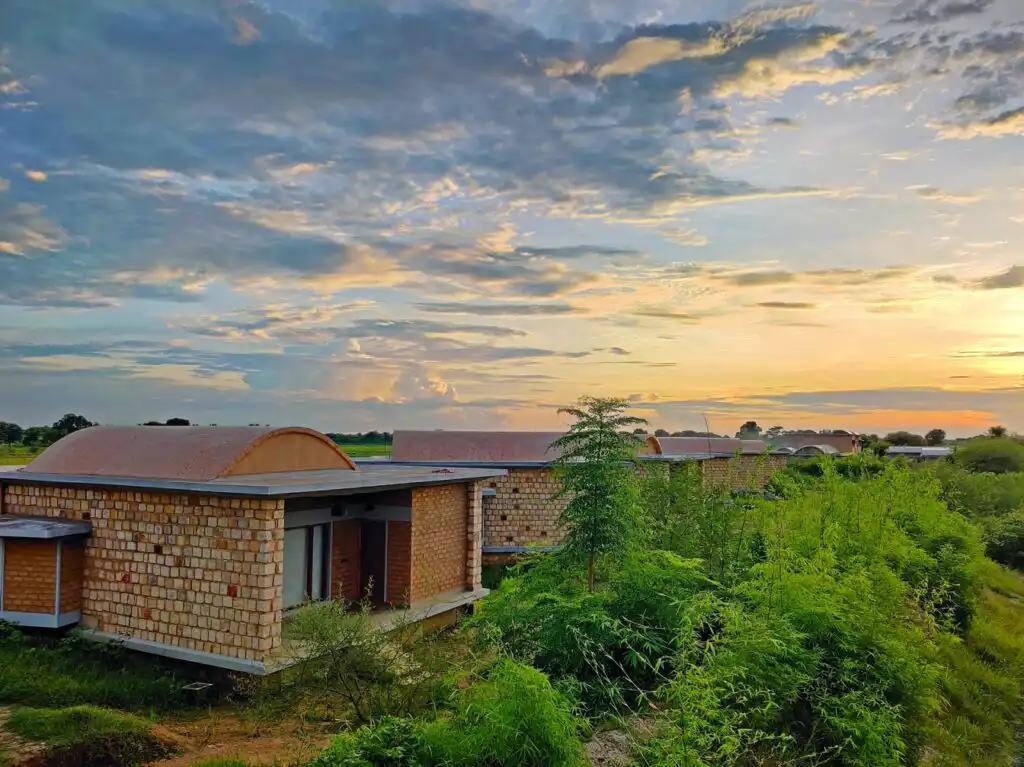
Since safari gates are spread across different zones and drives often begin early in the morning, staying far from your assigned gate can add unnecessary travel time. To plan a smoother trip, explore suitable resorts in Pench and resorts in Tadoba based on your safari zone and itinerary.
FAQs: About Pench vs Tadoba
As per the latest figures shared by the forest department, Tadoba has ~115 tigers, while Pench has ~70 tigers. However, Tadoba is a larger park.ย
Both Pench and Tadoba are among India's best tiger reserves, offering excellent opportunities to spot tigers in the wild. Tadoba has earned a reputation for its consistently high sighting rates given a thriving population, and often edges ahead for travellers whose primary goal is seeing a tiger. Pench, meanwhile, also offers rewarding tiger encounters, complemented by a rich diversity of wildlife, making it an equally compelling choice for nature lovers.
While both parks are excellent for birdwatching, Pench is often considered one of the best birding destinations for woodland and riverine species in India which is easily accessible from Nagpur. Over 300+ species of birds can be spotted here, particularly during winters. Tadoba is also home to over 250+ species of birds; it is rewarding for raptors and wetland birds around its lakes and water bodies, making it a great option for birders who want to combine exceptional tiger sightings with their safari.
For most first-time safari-goers, Pench offers the quintessential โjungle bookโ experience as a well-rounded introduction to the Indian wilderness, while Tadoba is ideal for those whose primary goal is to maximise tiger sightings.
Core zones of both parks remain shut during the rainy season from July to September. Buffer zones are open for safaris in both Pench and Tadoba during these monsoon months and can be booked by guests.ย
ย
In fact, lush green landscapes, dramatic skies and the chance to spot tigers, leopards, sloth bears and other wildlife make a Tadoba monsoon safari a rewarding off-season experience. With fewer visitors and refreshed forests, the buffer offers a quieter way to explore the wild.
About the Author:
Pooja is a nature and wildlife enthusiast who finds joy in exploring the wilderness, whether on safari in the forests or hiking in the hills. As a content writer with Pugdundee Safaris, she draws inspiration from nature to craft stories and poetry that connect the human experience with the beauty of the natural world. Through her writing, she hopes to inspire and educate others about the wonders of wildlife and conservation.