
As I would discover, PRONAT (the Professional Naturalist Training Program offered by Pugdundee Safaris and Wildlife and Forestry Services) is immersive in that same way. Intense. Layered. Alive.

If you’re looking for a naturalist course in India, here’s what you can truly expect – beyond the brochure.
PRONAT is not a passive learning experience. Each day was immersive, interactive and intellectually demanding.
A typical day as a student at this wildlife course in India blurred the line between classroom and field, starting fairly early. But even on the wettest days, learning never paused. It simply shifted shape.
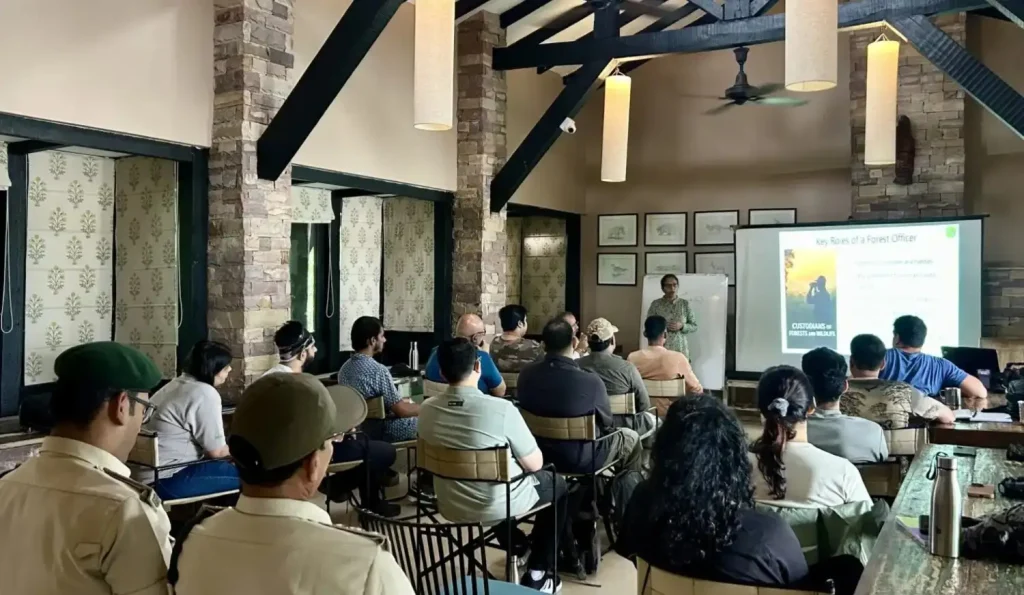
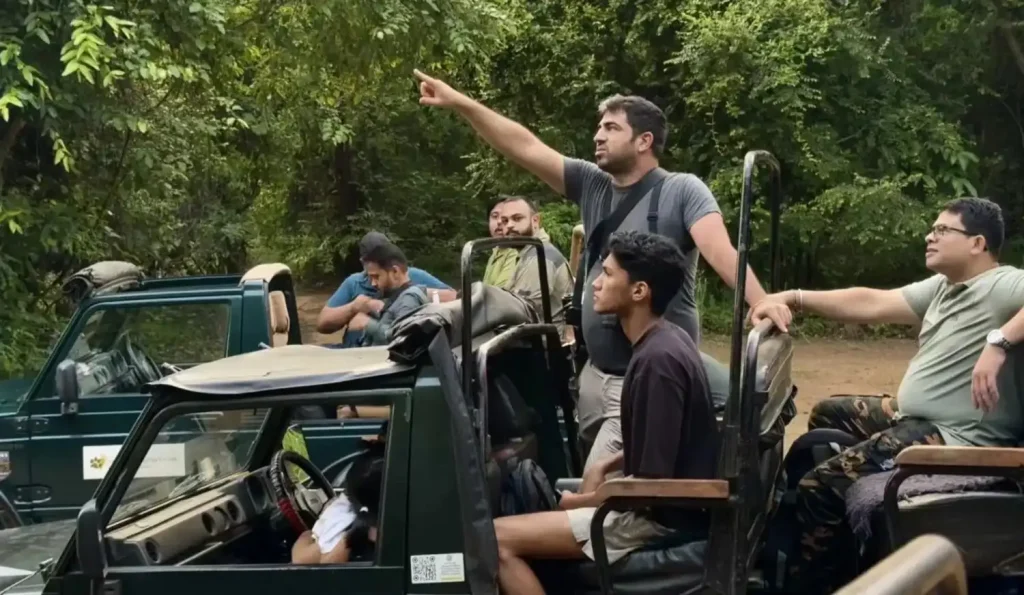
Some days we headed out for safaris or spent time on guided walks around the property and its outskirts. Afternoons were structured but dynamic. Think classroom sessions, research time, group work, presentations, games and more. Evenings were spent between wildlife documentaries, discussions and learning, or night walks.
Over 3 weeks, we covered diverse modules on Mammals, Birds, Trees, Reptiles and Amphibians, Butterflies and Dragonflies, First Aid Training and Conservation. Each instructor brought a different rhythm and personality – some methodical, some spontaneous, some quietly philosophical. The diversity of teaching styles made the experience dynamic. You never settled into complacency.
What stood out was the methodology of blended learning, mixing hands-on field immersion, peer-led research and teaching and real-time application. PRONAT truly knows how to make learning fun. And when you’re having fun, it’s easier to learn and make things stick through the process of discovery, research and curiosity.
The course began with mammals, taught by Kartikeya Singh. We weren’t handed information to memorize. Instead, we were handed responsibility, being assigned topics around species, behavior and adaptations to research and present, we had to understand before we could explain.
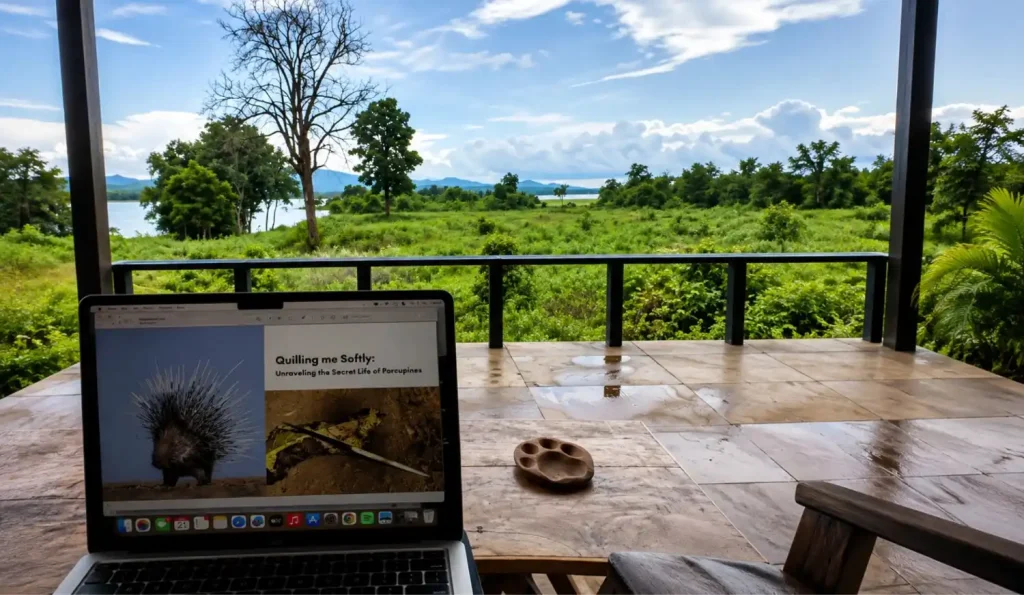
Teaching became a method of learning. We worked individually and in teams to sharpen our storytelling. While big cats are always the draw for visitors, there are numerous creatures that are lesser known but even more fascinating, like the honey badger and porcupine.
It was about learning how to communicate ecology in a way that engages others. That shift – from passive listener to active interpreter – set the tone for the entire course.
In the process, we ended up diving into our topics and moving beyond surface-level knowledge. More importantly, we built communication skills – a crucial trait for any aspiring naturalist.
Presenting in front of peers initially brought a flutter of nervousness for me, especially because several of them came with field exposure or had studied deeply before joining.
But I soon realised that PRONAT doesn’t simply reward prior knowledge as much as it rewards curiosity and communication. Over time, these presentations stopped feeling intimidating, and instead became opportunities – to think, to articulate, to find my voice.
Studying trees might sound simple, or even boring, until you actually try your hand at it. Imagine seeing the forest for the trees.
Sometimes we miss the forest for the trees, but often it is necessary to notice the trees that make the forest. Noticing the architecture of their leaves’ shape, size and details. Learning the texture of bark.
The colour of fruits and flowers, often visible as markers only in specific seasons. Identifying a tree isn’t about memorizing names; it’s about reading the minute differences that make its form, pattern, and context.
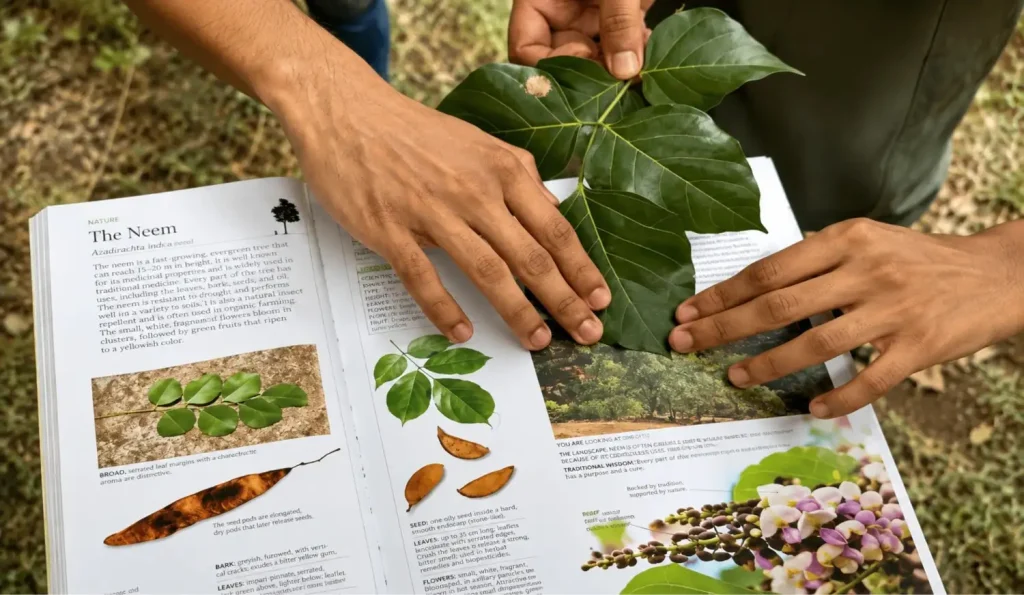
Once I started seeing those details, the forest stopped being a sea of green and became a layered, living map. These landscapes could be read instead of merely walking through them.
With the course falling in the middle of an extended monsoon, the season set the perfect backdrop for herping, We stepped into the damp darkness of the night led by our instructor David Raju, torchlights in hand, in search of reptiles and amphibians.
These night walks, which went hand-in-hand with the theory we learnt in the classroom, were about tuning into rhythm and silence. As we fell silent and stood still under cover of darkness and rain, a layered symphony of frog croaks, trills and pulses rose from the wet corners of the earth. Fireflies flickered through the trees like scattered embers. The forest sprang to life around pools of water and the wet undergrowth.
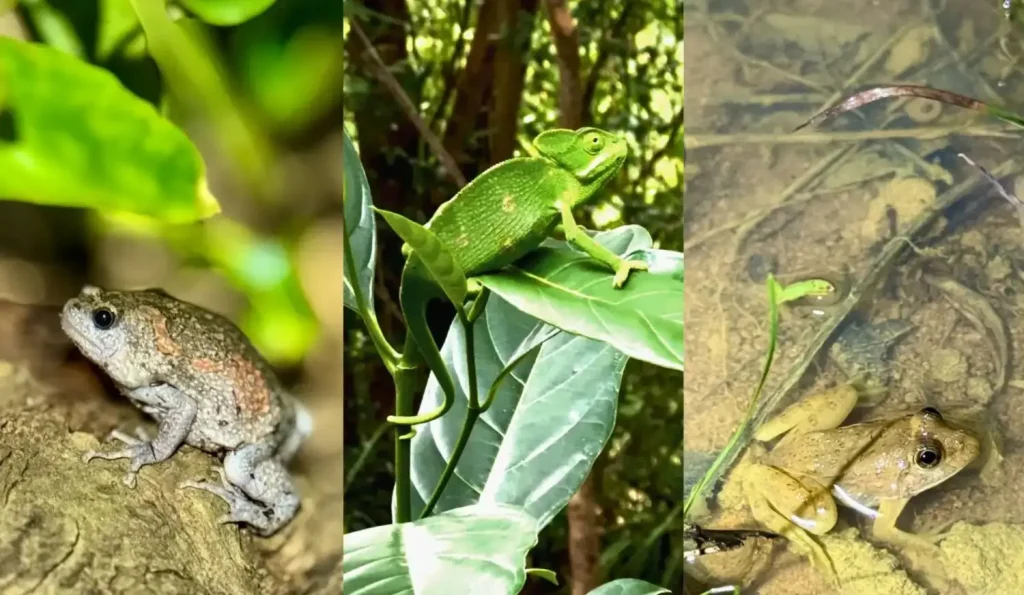
We sharpened our observation skills in a different way. Here, we learned to listen before we looked. To move slowly. It was sensory learning at its best.
One of the most unexpectedly enjoyable modules was First Aid, led by Vikram Gahlawat. What I imagined would be a serious, possibly dry session turned into one of the most animated parts of the program, filled with surprises and challenges.
We role-played real scenarios, from two girls missing on the property after bee stings to an accident on a trail and a fire in the building.
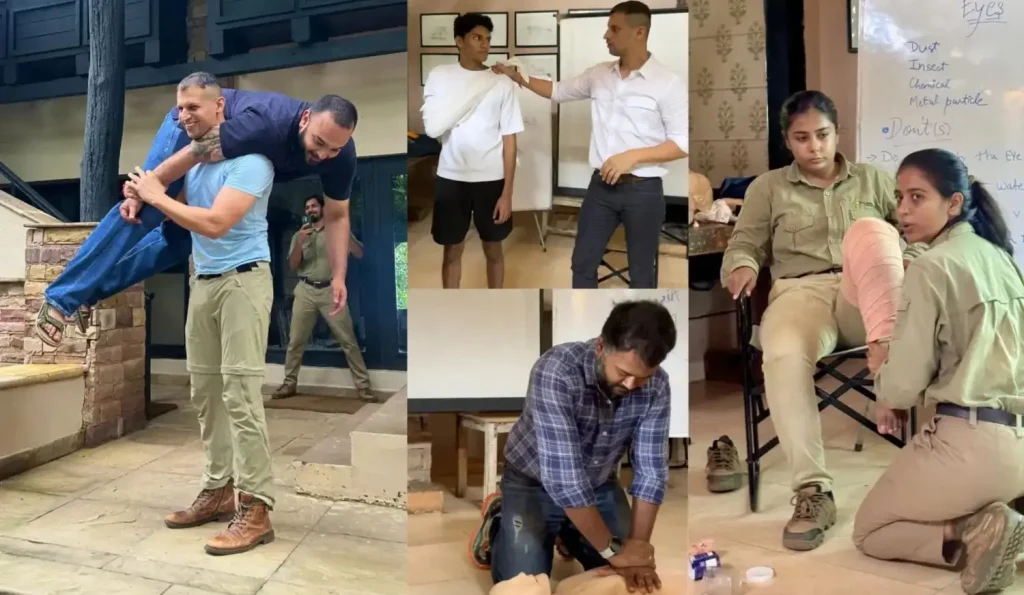
We learned to administer “perfect CPR”, practiced different slings for fractures, and thought through emergency responses in real time. There was laughter, yes, but also days filled with learning and a quiet awareness that these skills matter deeply in the field.
It made the idea of being a naturalist feel grounded and responsible. Being a naturalist isn’t romantic; it’s practical, because the wild is unpredictable, and preparedness matters.
The birds and butterflies modules, taught by Nikhil Bhopale, were playful and rigorous in equal measure.
Learning about birds was gamified, and challenged us to observe without rushing to conclusions. It wasn’t enough to guess or simply remember the name of a species by default. Instead, we had to learn to identify a bird by looking deeply at its shape, size, stance, flight pattern, colour and habitat.
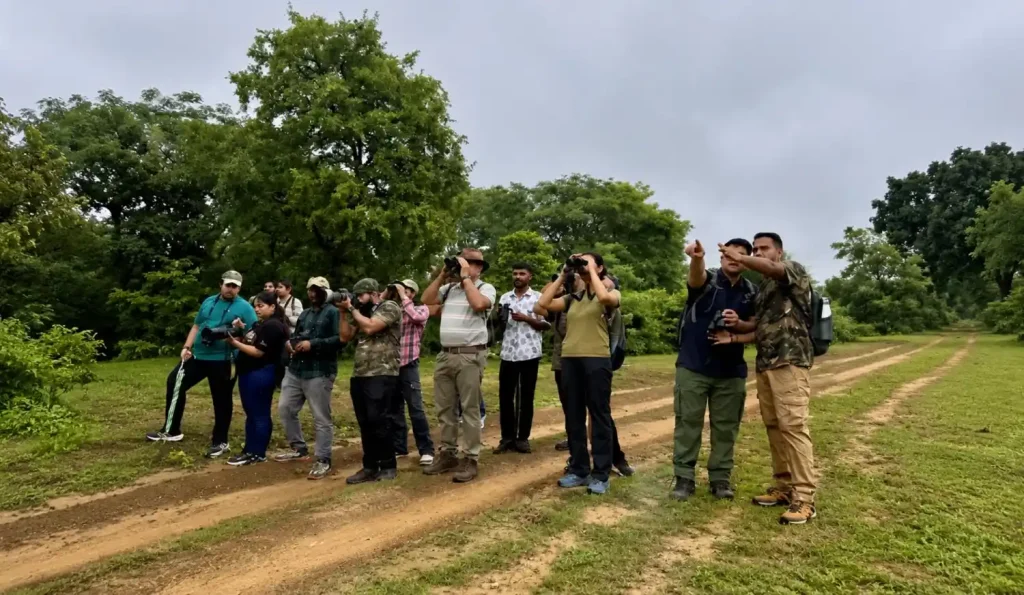
What was it doing? Where was it sitting? Why was it a swallow and not a swift? By the end, what once felt overwhelming began to organize itself in my mind.
We ended with an immersive challenge that tested everything we had absorbed – a joyful, slightly chaotic culmination of days of focused observation. I won’t reveal more. Some surprises are best experienced firsthand.
As we wrapped up the final module of PRONAT, one of India’s finest wildlife courses, it dawned on me how far I had come – from feeling underexposed to feeling capable. Not because I knew every species, but because I knew how to approach identification as a skill.
I realised how much I had learned, yet how little I knew; I was just at the beginning of an exciting journey.
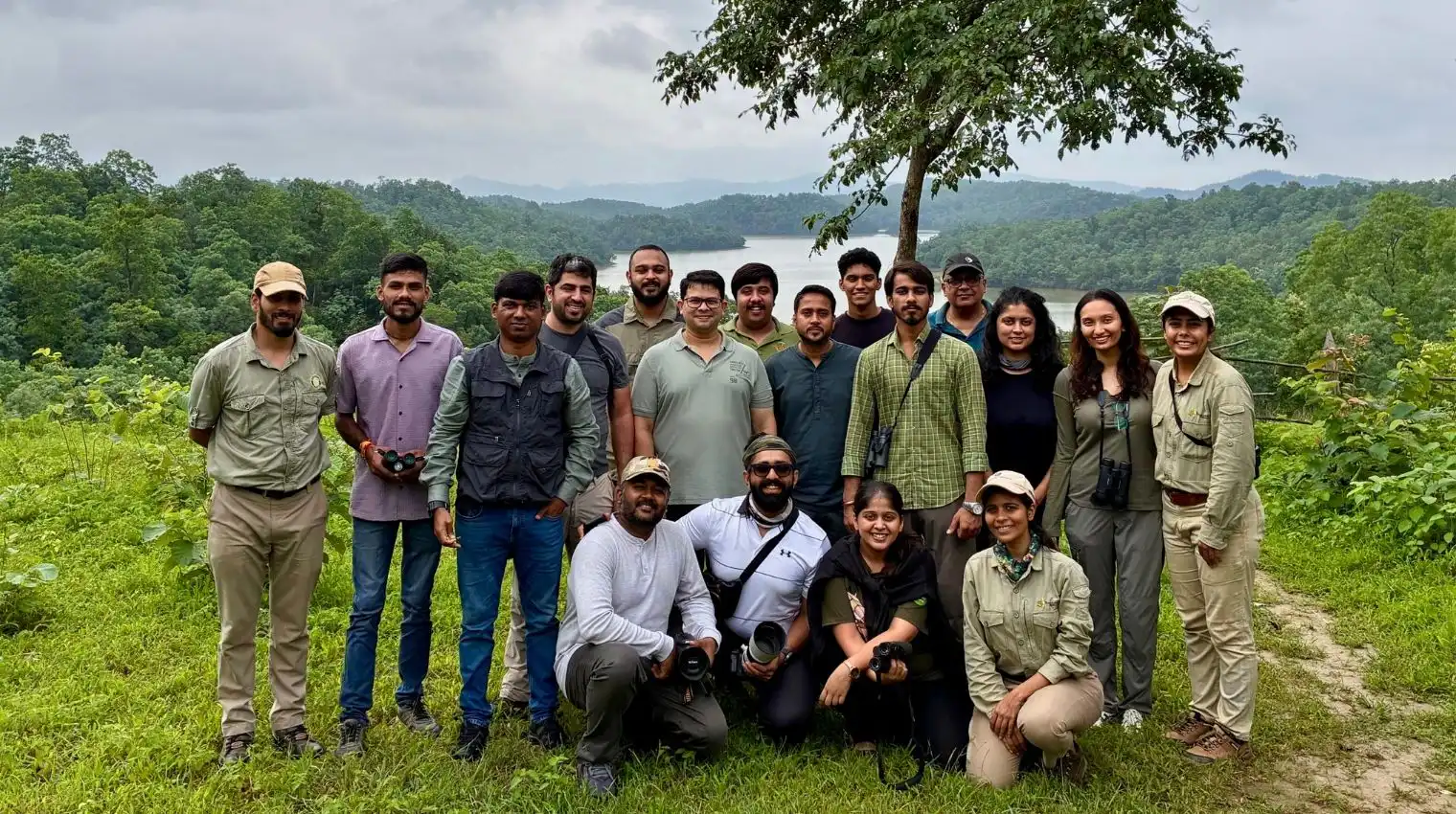
One of the most powerful aspects of PRONAT is the cohort. This was a crash course not just in wildlife, but in community. We were an unlikely mix – the youngest 19, the oldest just over 50. Some were starting out. Some were pivoting careers. Some had spent years in forests across central India. Others, like me, arrived with curiosity and far less field exposure than my peers.
That difference weighed on me at first. My peers could identify birds by call and speak about species and habitats with easy familiarity. I remember sitting through early discussions acutely aware of what I didn’t know. But PRONAT has a way of dismantling comparison, because it doesn’t reward prior knowledge as much as it rewards participation, curiosity and a beginner’s mindset.
We were given applicable tools like frameworks for identification. We were encouraged to think scientifically, question assumptions, engage actively and work on core skills like communication, critical thinking, teamwork and storytelling. Slowly, a steady confidence emerged.
Adult life rarely offers the opportunity to live and learn together in a deeper way. We bonded over shared notes, laughter from role-play exercises, drenched and dripping monsoon walks, and debates sparked by documentaries. We built friendships that will stay with us long past the course.
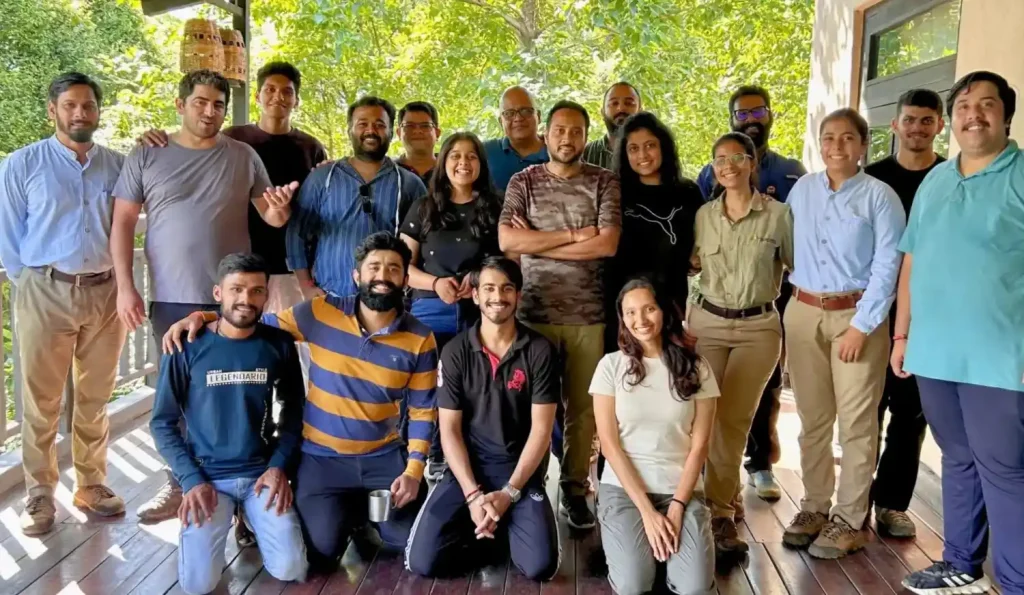
It felt like living inside a bubble – focused, curious, slightly removed from ordinary life. And yet this was as real as it gets. My time in the forest allowed me to view everyone and everything as a teacher. To become a student – of life, of nature, of something bigger.
Three weeks of learning in the forest had passed in a flash. It was time to leave this sanctuary, to return to the city.
It was by chance, I found myself at the Denwa’s edge, to finally witness a sunset after weeks of rain. Unplanned, unexpected, all the more precious for it.
The river turned to glass – still, blue, edged with fading light. It offered me a mirror, a chance to pause and reflect.
I arrived here hoping to gain knowledge. I left carrying something more enduring. Gratitude washed over me like dusk. I knew something had shifted. Like water carving its course, the forest had etched a quiet change in me.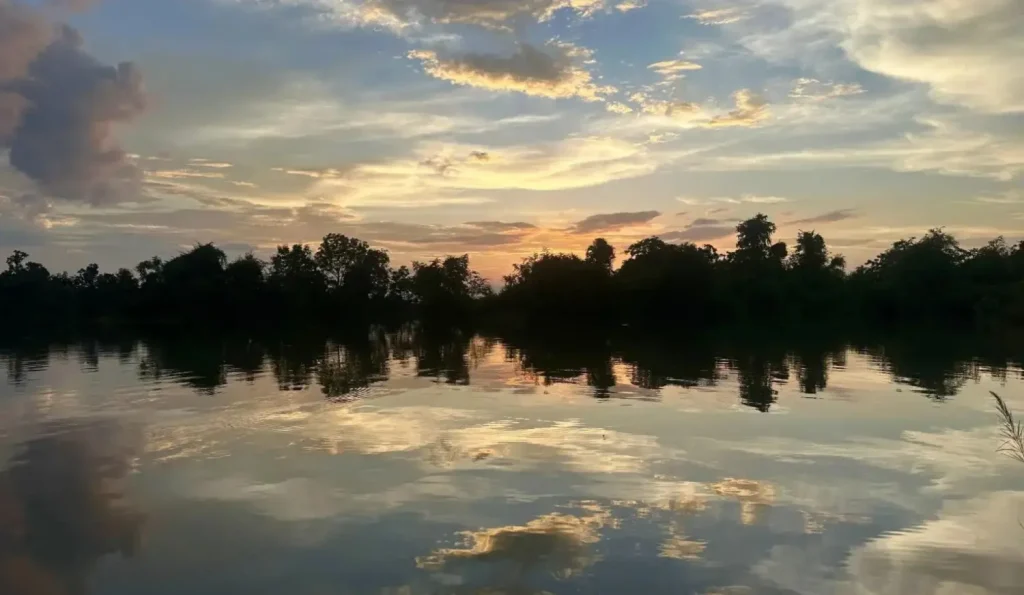
Back in the city, life goes on unchanged. Everything is as I had left it – the noise, the rush, the familiar patterns. And yet, I carry something different: a silence I can return to, a voice within I can hear more clearly, a hope that steadies me.
The river flows on, but its reflection stays with me. A quiet current beneath the surface, guiding me forward. And a sense of peace and trust in the universe that only wild places can gift.

Pugdundee Safaris is recognized as one of India’s leading responsible safari companies. With seven intimate jungle lodges in Central India and many bespoke wilderness experiences it presents the very best of the Indian subcontinent wildlife & hospitality. Between 2009 and 2026, we have been awarded for our excellence in wildlife safaris, our commitment to sustainability, our experienced naturalists and our pioneering mobile safari initiative. Pugdundee is a Hindi word meaning a foot trail commonly used by humans and animals, this word is popularly used for such beaten paths in the Indian jungles. We continuously strive to deliver the best possible guest experience, while still integrating the conservation of jungles and the people living around. We are motivated by the hope of reaching out to people in the remotest areas of our country, as we believe that they are the front-runners of wildlife conservation. However, maybe just a drop in the ocean we consider that we are making a significant contribution to wildlife conservation and rural economy wherever our lodges are.