How to Become a Naturalist in India?
- Build your foundational knowledge
Start your journey by learning about Indian wildlife, birds, trees, insects, ecology, and conservation through books, documentaries, online platforms, and time spent outdoors. - Take a structured course
A specialised training programme helps build both theoretical knowledge about the natural world and practical guiding skills. Courses like PRONAT (Professional Naturalist Training) combine field-based and classroom learning, wildlife identification, interpretation of behaviours and ecosystems, and guest engagement, providing a strong foundation for aspiring naturalists and helping them upskill in a practical way. - Gain field experience
Volunteer or intern with wildlife lodges and conservation-focused organisations, join birding and nature walks, and spend time exploring different ecosystems and landscapes. No amount of theoretical knowledge replaces learning in the field. - Apply for a role at wildlife lodges
Several eco-lodges and safari camps hire and train naturalists to learn under experienced mentors and senior professionals while interacting with guests from around the world. - Find your niche and specialise
As your experience grows, you may specialise in birds, reptiles and amphibians, mammals, botany, photography, tracking, conservation education, nature based guest experiences or expedition leadership. There are several paths to grow in this career depending on your interests.
A good number of naturalists chanced upon a career solely due to their passion to be in nature and explore the outdoors. Other than the desire to be in nature and wildlife, aspiring naturalists require a fair idea of an ecosystem, habitats, and a knack for engaging people. Our naturalists share their journey of becoming interpreters of the forests and how their day unfolds.
One of our most motivated naturalists, Harpreet Dhillon has been in the wildlife sector for the last 11 years. Currently, managing our Lodge in Kanha National Park as a Lodge Manager, he started exploring right after his graduation in Bharatpur Bird Sanctuary with his uncle, a lawyer by profession who quit law to embrace his passion, bird watching. “I was inspired by my uncle to explore a career in wildlife.
While I explored the forests inside Bharatpur, I derived contentment. I yearned to explore more of nature, and outdoors,” says Harpreet. After exploring in wild for a while, he started as a naturalist in Ranthambore National Park. ”Back in those days, wildlife tourism was dominated by a high number of foreign guests. So, lodges looked for people with fair knowledge of language to guide the guests. I could specify more than 100 species of birds and could identify a lot of flora too, all thanks to my uncle, and of course, my eternal thirst to be in proximity with nature,” he adds.
One of our valued naturalists, Gaurav Dhotre is a commerce graduate and worked with a travel agency before landing in the forest in the role of Naturalist. Gaurav, a city boy has been in the wildlife sector for the last nine years, paving his way through different national parks and sanctuaries. He started his career as a Naturalist in 2011. His undying passion for wildlife and outdoor hooked him in the forests. He joined Pugdundee Safaris in 2017, and currently is in Pench National Park, Madhya Pradesh.
Unlike Gaurav, who had a fair idea of wildlife, Himani, a medical student was intrigued to work in the forests when she visited Satpura Tiger Reserve in 2017. Clueless about the role, she discovered her love and inclination towards wildlife on this trip. Once back from her trip, she decided to switch to wildlife and landed her first job as a Naturalist after completing a month-long Naturalist training course with Pugdundee Safaris. She has been working with our illustrious team of naturalists since 2018. A native of Jodhpur, Himani was one of the participants of our first PRONAT batch.
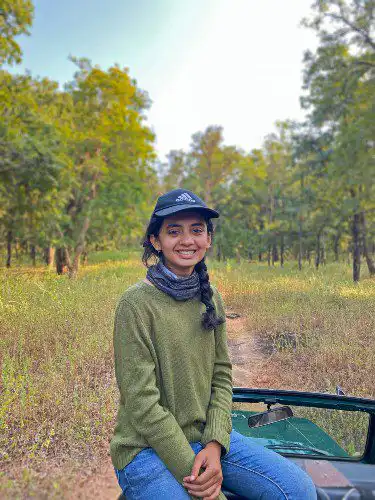
Another young and energetic naturalist, Mugdha majored in Wildlife Conservation Action from Pune. It was during one of the expeditions, out of many she volunteered as a student, she stumbled upon a naturalist in Mahabaleshwar. “I was in awe of the knowledge she possessed and, the kind of confidence she exhibited. At that moment, I wanted to be as enthusiastic and conversant about wildlife. That was my first encounter with the world of naturalists. I just knew that this is the field I want to explore,” claims Mugdha. After completing her studies she joined us in 2019 as a naturalist.
A Communicator and a Storyteller
The role of naturalists demands comprehensive knowledge and facts about wildlife, innovative communication skills, and a thrilling and captivating flair of storytelling.
Additionally, being well-informed and erudite about wildlife, the role requires command of effective communication skills. “As a naturalist, you are exposed to guests wanting to grasp every fact about the forests. The job requires us to weave a story about the forests. We have to provide the knowledge of the forests, the flora, and fauna, but it has to be entertaining as well. We cannot simply point at an animal, or a tree, and say, ‘look a tiger or a deer.
If you tell them a story, or an interesting fact about a tiger, or leopard, that’s going to capture their attention. So, in a way, it requires you to be a storyteller and a great communicator. Out in the wilderness, it is communication that matter the most, be it on good days, or the bad ones,” says one of our youngest naturalist, Mugdha.
“As a naturalist, you play the role of an interpreter between the wildlife and the guests. You put the limelight on the forests. At the same time, you cannot overlook guests’ desires. So, a perfect balance is acquired if you are a great interpreter,” adds Gaurav, emphasizing the need to communicate effectively.
Every Day Challenges of a Naturalist
On an everyday basis, naturalists have to toil through the complexities of the forests in the simplest way. Most of the time, their training helps them to be calm and find solutions to the hindrances they face in the wild.
Mugdha, one of the few female Naturalists, says she faced difficulties in taking her city girl life out to the remote village of Satpura. Being born and brought up in the metro city of Mumbai, it was quite an adjustment in the beginning, when I had to cover a distance just to get a sachet of shampoo. With a lack of network, it was snagging to survive in the forest in the beginning. However, I managed to take the city girl out of the city and survive amidst the forest,” shares recalling her early days.
Sharing one of her harrowing experiences, Himani recalls one Diwali evening. “As it was Diwali, I was nostalgic and was pondering to call home. While heading towards my room, there was a Leopard sitting just a few feet away from me. I could not gather courage, or react, for a moment, I imagined myself gone. As he looked at me, shivers went down my spine, then he ventured into the dark of the forest, and I breathed a sigh of relief. I still tremble just thinking about it,” shares Himani.
“At Pugdundee, we strive for sustainable tourism. So, we don’t use single-use plastic but the same thing becomes a burden for some guests. They fail to apprehend that it is to ensure that nature remains in its original form. This challenge is shared by naturalists, as well as the manager of the lodge,” shares Harpreet.
A sneak peek into the daily life of Naturalists
A regular day in the life of naturalists begins as early as 4 in the morning.
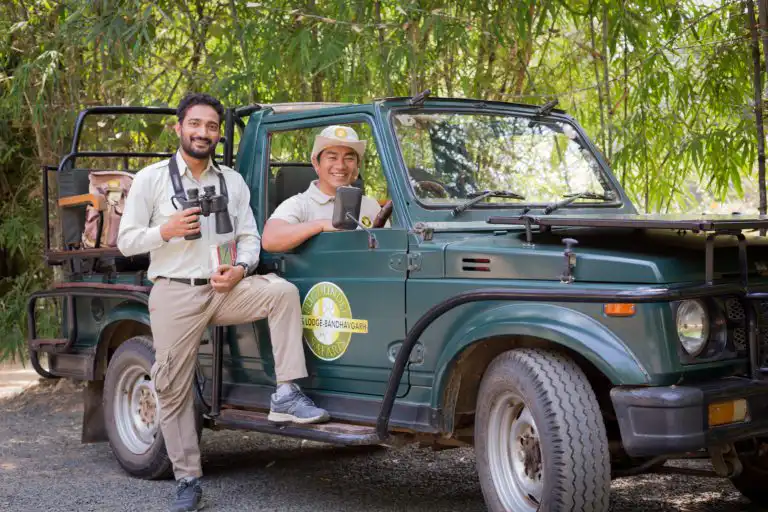
Our morning starts with checking the assigned vehicles, ensuring the availability of breakfasts as per the preference of guests, blankets for guests during winter, garbage bags for waste, and a lot more. Before heading to the forest, we confirm that all guests are carrying the required documents. The checklist then includes briefing the guests on the dos and don’ts. Some guests have phobias, and some are allergic to certain plants or insects like bees and flies. It’s our daily chore to assure that everything we require is in the gypsy, shares Gaurav recalling his experiences.
After an enthralling experience in the forest, the team comes back to the lodge by 11 in the morning which is followed by lunch, and some recoup. In the meanwhile, the naturalist manages the logistics, and prepares for the sessions, if any, in the evening.
“Evenings are reserved for acquainting the guests to different aspects of wildlife. Sometimes we arrange for documentaries on wildlife or presentation on birds and butterflies. Occasionally, an interaction on fun facts revolving around wildlife transpires in the evening. During the evening session, some guests share their stories from across the wildlife world, and we try to connect it with the world around us,” shares Mugdha.
Making a Career out of Passion
Wildlife, once a niche field with limited people making a career out of it, has changed along with the change in the pattern of wildlife tourism. Our naturalists equally feel that a career in wildlife, as a naturalist, guide, or just as an explorer is gaining popularity amongst the younger crowd.
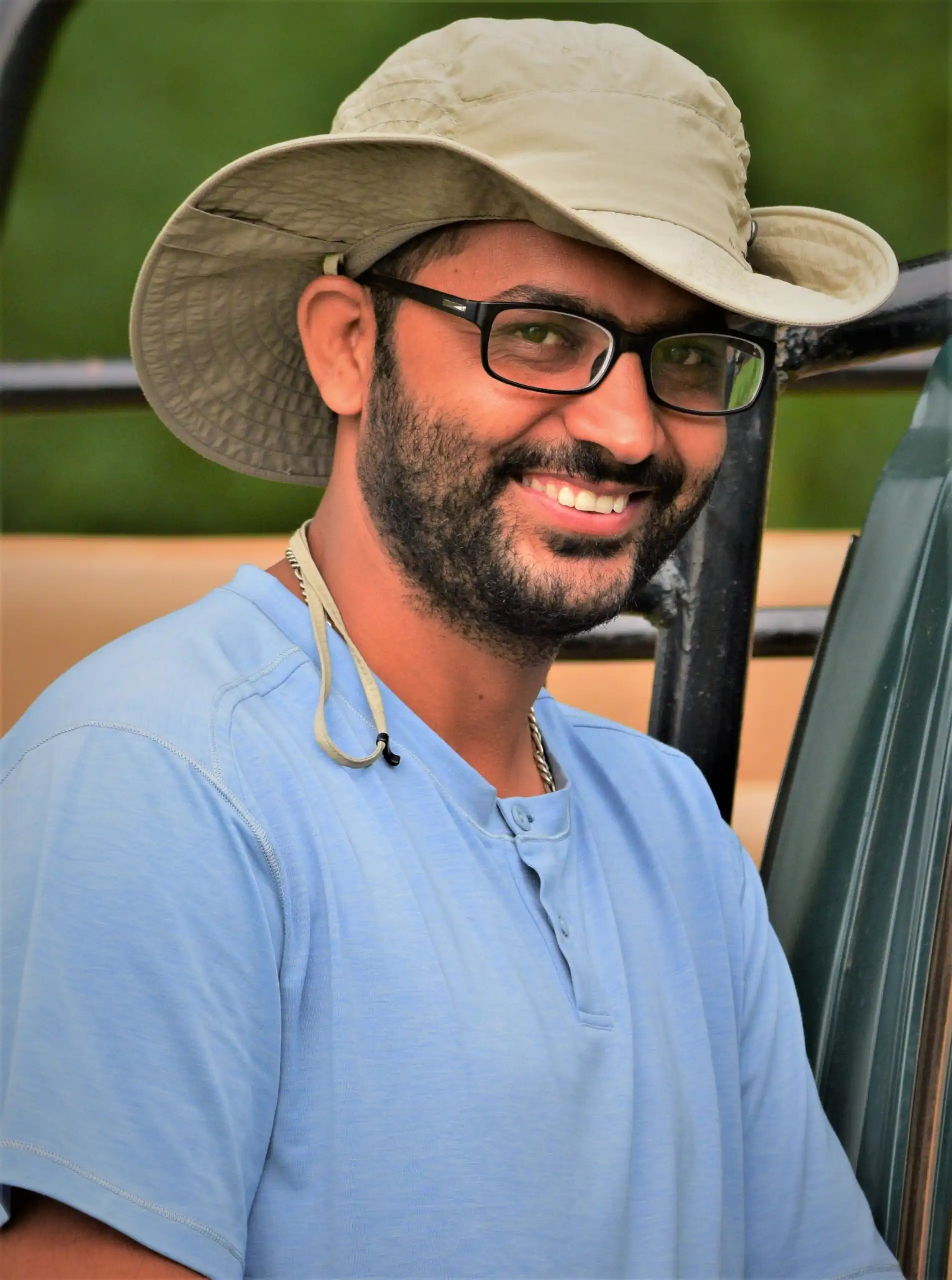
For Harpreet, wildlife has been not only a passion but has also availed him of an opportunity to reach heights in his career. He started his career as a junior naturalist, and now is in the role of Lodge Manager, managing his own team of naturalists, guides, and operations members. “In terms of growth, there is an array of opportunities if you are passionate about it.
A lot of naturalists I have come across are good photographers too, they can explore careers in wildlife photography. It also depends on the individual as well. Some naturalists switch to a management role as I have. I get to play the role of both the naturalist and a manager, and in proximity to the wildlife,” informs Harpreet beamingly.
He says, “I can never get out of the jungle. I love everything about my job. I don’t see myself leaving till my retirement. You can say, I wish to retire from the jungle.”
Although she has spent all of three years amidst the wilderness, Himani says, “If you are prepared to trudge through the rigidness of the captivating jungle, then you can achieve all you want” she adds.
A lot of people initiate expeditions, tours across national parks and sanctuaries in India. Other than working with lodges, one can consider starting their own venture like homestays, lodges. Some experienced naturalists switch to research in wildlife conservation becoming experts on the subject of their choice. Wildlife documentation and joining forests departments are also an option one can consider.
Both Himani and Mughdha desire to continue in the forests and explore what the future holds for them. Mugdha says she wishes to work towards the conservation of wildlife and create sensitivity towards forests and their dwellers by educating as many people as she can.
Unlike high-paying jobs in the city, the role of a naturalist does not pay a lucrative salary. However, many lodges take care of expenditure on accommodation and food which helps naturalists to make a decent earning amidst the jungle while following their passion.
Training Locals to Explore a Career in Wildlife
At Pugdundee Safaris, we strive to grow along with the local community. With this objective, we have been training locals to work as guides with our lodges. The trained locals are now associated with us as guides accompanying our guests on Safaris.
Neetu, a native of Kamatirangpur village in the vicinity of Satpura Tiger Reserve is one of our newbies. She works in Denwa Backwater Escape as our guide.
“In spite of being so close to the jungle, I was unaware of career opportunities in the forests for girls like me. I discovered about training being conducted by the forest department to qualify as guides, and I joined them,” shares Neetu. Witnessing women working in the forests as Naturalists inspired her to join as a guide.
Nitu, who aspires to become a Naturalist in near future says, “guides are for just informing the guests about what comes front in them, while naturalists know the world of forest, they aware, and educate the guests about forests”.
Neetu hopes that she inspires more women from her village to explore careers in the Wildlife sector.
Courses for Aspiring Naturalists
Pugdundee currently has 27 naturalists serving in two states across seven lodges. Wildlife and Forestry Services in association with Pugdundee Safaris conduct Professional Naturalist Training Course (PRONAT) for candidates who deeply desire to make a professional career out of their passion. The course is conducted every year in a small cohort. Pugdundee has also been actively organizing events like Young Ranger Training Programme to encourage the students to conserve the forests.
Pugdundee also organizes a week-long course, Amateur Naturalist Course, ANAT, to train the people interested in knowing more about wildlife. The course is also for aspiring naturalists who want to attend a short course and explore their future potential as a naturalist. We have conducted five cohorts of PRONAT, and five of ANAT so far. We have both the courses lined up this year.
Do You Need a Science Degree to Become a Naturalist?
A science degree is not mandatory to become a naturalist. While a background in biology, zoology or environmental science can be helpful, it is not a prerequisite. Passion, curiosity, and dedication often matter far more, along with good interpretation and communication skills.
Many of the naturalists on our team have transitioned from entirely different fields into careers in wildlife:
- Yash is a PRONAT alumnus with a commerce background. Over the years, he has tracked tigers and snow leopards across diverse landscapes, led walking safaris and currently manages our newest offering – Red Panda Outpost in the Eastern Himalayas.
- Harpreet, a self-taught naturalist and now Lodge Manager at Kanha Earth Lodge, started his career as a junior naturalist before progressing into a leadership role, where he now manages a team of guides, naturalists and operational staff.
- Deepa, who transitioned from architecture after completing PRONAT, combines her artistic sensibilities with guiding. She uses her skills to sketch, tell visual stories and help guests on safari notice details that make each drive memorable.
Their journeys show that with commitment and consistent learning, anyone can build a meaningful career as a naturalist.

Pugdundee Safaris is recognized as one of India’s leading responsible safari companies. With seven intimate jungle lodges in Central India and many bespoke wilderness experiences it presents the very best of the Indian subcontinent wildlife & hospitality. Between 2009 and 2026, we have been awarded for our excellence in wildlife safaris, our commitment to sustainability, our experienced naturalists and our pioneering mobile safari initiative. Pugdundee is a Hindi word meaning a foot trail commonly used by humans and animals, this word is popularly used for such beaten paths in the Indian jungles. We continuously strive to deliver the best possible guest experience, while still integrating the conservation of jungles and the people living around. We are motivated by the hope of reaching out to people in the remotest areas of our country, as we believe that they are the front-runners of wildlife conservation. However, maybe just a drop in the ocean we consider that we are making a significant contribution to wildlife conservation and rural economy wherever our lodges are.